Table of contents
Table of Contents
Letter from the Editor
Steve Elias, MD
AVF 2027
A Record Year Takes the Stage in Nashville
Sheila N. Blumberg, MD, MS, FACS and Juan Carlos Jimenez, MD, MBA, FACS, DFSVS
Beyond the Image: Understanding Venous Disease through Ultrasound
Julianne Stoughton, MD, FACS
Session Honoring Dr. Villavicencio Includes Presentation of Top Abstracts and Discussion of Controversial Topics
Kathleen Ozsvath, MD, FACS
The Strandness Lecture: Celebrating the AVF’s Global Community
Allie Sherrill
The Doctor’s Lounge: Where Venous Experts Talk Through Tough Cases
Mikel Sadek, MD and Gloria Salazar, MD and Steve Elias, MD
AVF 2027 Physician-In-Training Course: Real Cases. Tough Decisions. Expert Insights. All in the Heart of Music City
Karem Harth, MD
Sumner Session: AVF at 40
Steve Elias, MD
APP Sessions 2027: Hands-on Education Comes to Nashville
Suzanna Fitzpatrick, PhD, DNP, ACNP-BC, FNP-BC, FAANP and Karen Bauer, DNP, CNP-FNP, CWS
Serving Nashville: The AVF Day of Service Returns for Its 4th Year
Kathleen Ozsvath, MD, Misaki Kiguchi, MD, and Anil Hingorani, MD
Membership
Beyond Borders: Why the AVF Is Worth the Journey
Prof. Suat Doganci, MD
APP Corner: What I Learned from Presenting at Annual AVF Meetings
Lorraine Loretz, DPM, MSN, FNP
From Fellow to Attending: How AVF Shaped My First Year in Practice
Vashisht Madabhushi, MD, MPH
Being an International Member of the AVF: The Value of the Journey
Matt Tan, MD
Beyond the Case: Building Community Through Shared Experiences
Eni Nako, MD
Ending a Lifetime Cap on Vein Care: A North Carolina Physician Advocacy Success Story
What Are You Tripping Over? A Leadership Question Every Physician Should Ask
Sherry Budziak
Welcome New AVF Members!
September/October 2026
EDITOR-IN-CHIEF
Steve Elias, MD
EXECUTIVE EDITOR
John Forbes, MBA
MANAGING EDITOR
Allie Sherrill
COVER ARTIST
Christine Rataj
PUBLICATION DESIGNER
Anthony Eaves
Editor’s Letter
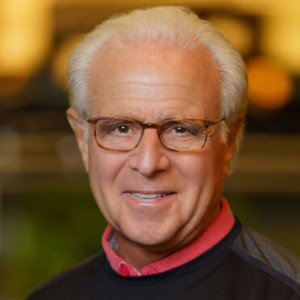
Steve Elias, MD
President Elect, The American Venous Forum
Chair, AVF Newsletter Committee
Here Comes the Sun
Think about sunflowers much? Not me. Once in a while, I’ll buy some for my wife. They are having a floristic renaissance. Artists, florists, and others are using them again for everything. We all know and have seen the sunflowers van Gogh painted when living in Provence. Seems that Paul Gauguin was visiting and Van Gogh wanted to brighten up the house. So, he painted sunflowers. I wish I could do that. I just go to the store and buy some.
But where did they come from? North America. Native Americans. Ingenious people. They cultivated wild sunflowers around 3000 to 4500 years ago in the area of current New Mexico and Arizona. Sunflowers had multiple uses: ground into flour, pressing the seeds for oil, purple dye, tea, and for medicine. Even an energy ball–grinding the seeds and mixing them with fat, honey, and berries. They then cultivated the wild multi-flowered variety to domesticated single-flowered plants with larger seeds. All of that 3000 to 4000 years ago.
Then came the Spanish explorers. They took a lot from Native Americans– including some sunflowers– back to Europe. Finally, Russia got involved in the 19th century. It started mass-producing sunflower oil because the Russian Orthodox Church said it could be used during Lent. Today, Ukraine is the largest producer and it is their national flower.
And the AVF is the largest producer of all things venous. This issue is about our annual meeting and membership. One overriding theme is that the meeting has become much more interactive and practical. Our course directors, Shelia Blumberg and JC Jimenez, outline the overall concept of the meeting for us. We have a new ultrasound course that is being instituted, and we bring back some very popular sessions from the last year’s meeting. The Villavicencio session will have the same format as last year:s the top three abstracts and case presentations for audience discussion. Continuing with the interactive theme will be our popular Doctor’s Lounge sessions that present one deep case and one superficial case. Once again there will be panel discussion about the cases. AVF has been around for 40 years and during the Sumner session we will explore where we’ve been, but more importantly where we’re going. The APP and PIT sessions round out the meeting. Of course, we have abstract sessions to discuss the scientific part of vein care. In addition, we hear from our members about the value of being a member both nationally and internationally and how being a member can benefit your career.
And what are artists and inventive florists doing now with the ubiquitous and relatively cheap sunflower? Floral sculptures. Using different types, different nuanced colors, wires, mesh, et cetera. They are gorgeous and they last a long time. They’re now becoming high end and naked, especially the older ones. The worn petals of geriatric sunflowers are plucked off, leaving only the yellow and brown flower. More like the sun. This trend is so pervasive that you can find videos about how to strip and style naked sunflowers. Sounds more risqué than it really is.
In Vein Specialist we try to strip things down to the essentials that you need to know about vein disease while always remaining open to new trends. As am I. I’m going out to strip some sunflowers naked and give them to my wife. Let’s see what she thinks. I’ll never look at a sunflower the same way again. And you won’t look at our meeting and society the same way when you attend the annual meeting in Nashville in 2027.
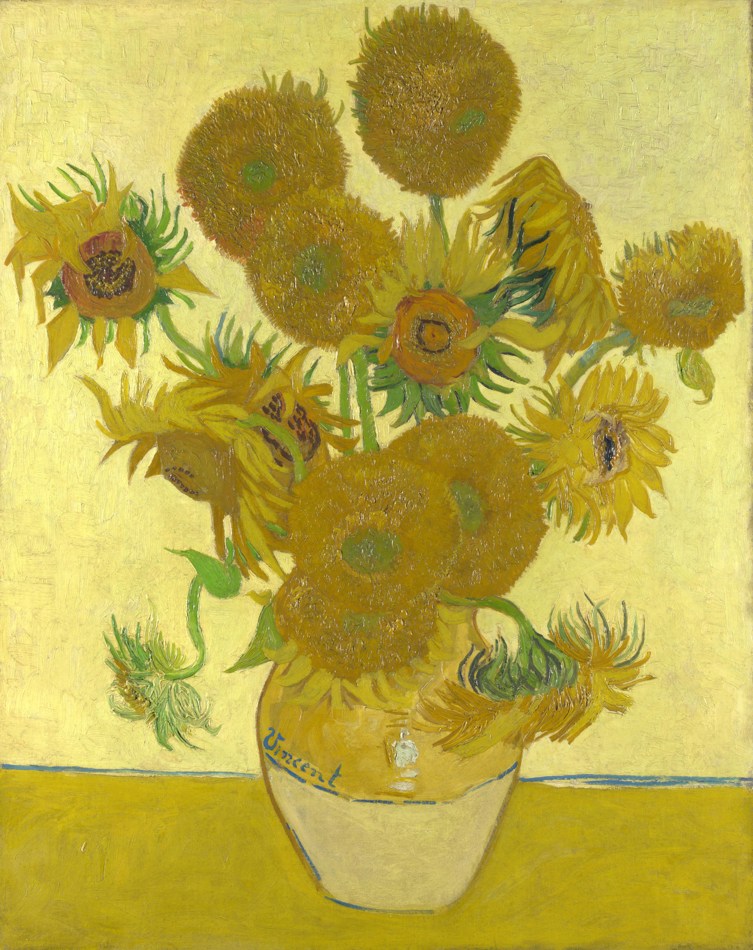
Vincent van Gogh, Sunflowers (1888). The National Gallery, London. Public domain via Wikimedia Commons.
A Record Year Takes the Stage in Nashville
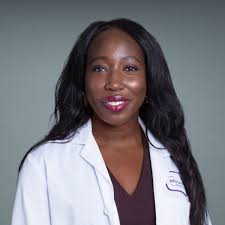
Sheila N. Blumberg, MD, MS, FACS
Chair, AVF 2027 Program Committee
Clinical Associate Professor
Division of Vascular and Endovascular Surgery
NYU Grossman School of Medicine
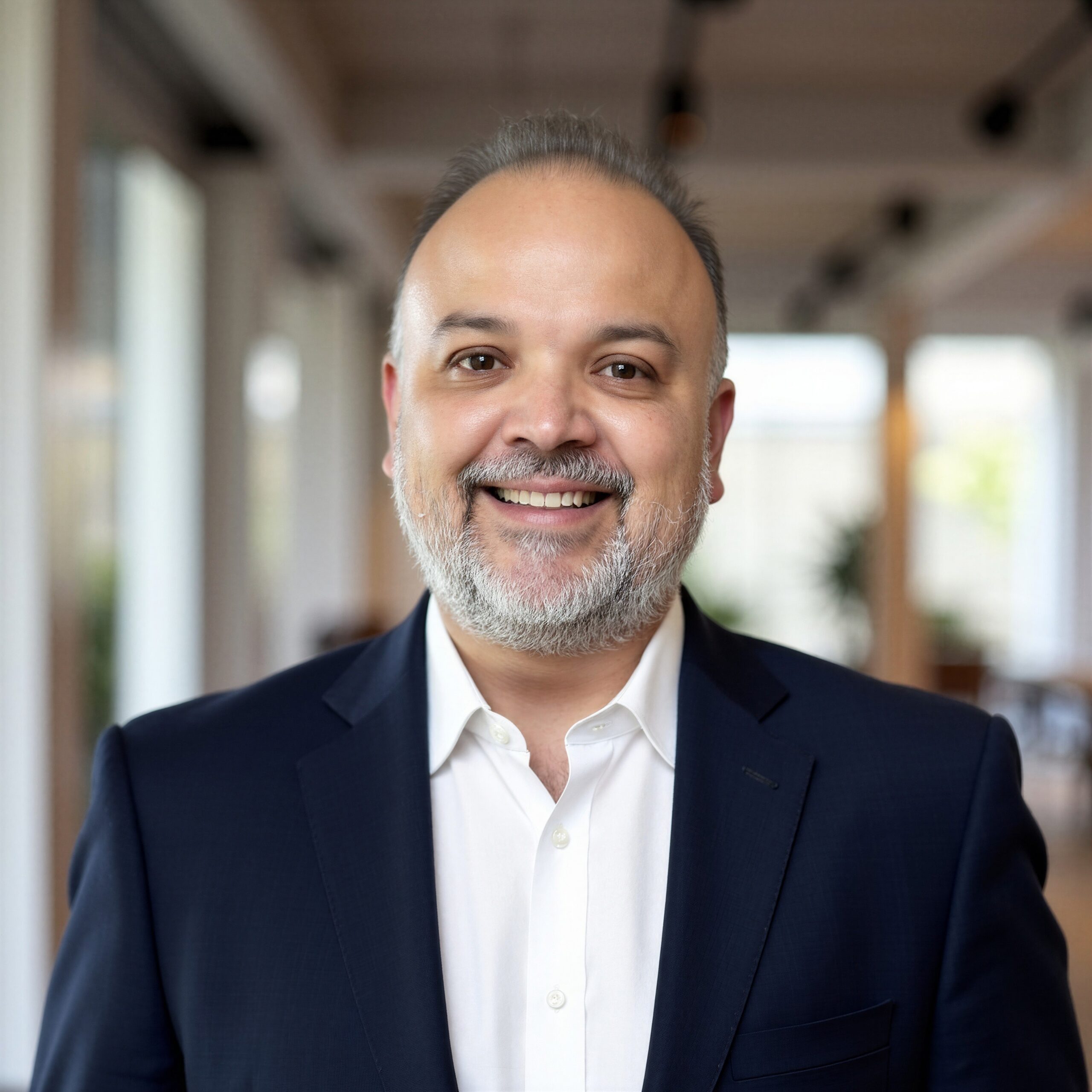
Juan Carlos Jimenez, MD, MBA, FACS, DFSVS
Chair, AVF 2027 Program Committee
Professor, Division of Vascular Surgery
David Geffen School of Medicine at UCLA
The 2027 American Venous Forum Annual Meeting comes to Nashville February 27 through March 2, marking the AVF’s 40th anniversary with a scientific program built on the strongest abstract response in our society’s history. As Program Chairs, our goal was to build a superior, globally inclusive meeting that enhances the lived experiences of all AVF members. With investigators from 20 countries, more presentation formats, a new “Poster Madness” competition, live-streamed content, and the first ultrasound-focused curriculum in AVF history, we believe the 2027 program will deliver.
We chose “Harmony” as the meeting’s theme, inspired by Nashville’s eclectic history of musical excellence and innovation. Harmony signifies collaboration, high quality, precision, and professionalism, all consistent with the values of the AVF as we bring the global venous community together.
Poster Madness!
New this year, Poster Madness! will put poster research in the spotlight with a three-round competition that narrows 60 posters to the “Sweet 12” and then three championship finalists.
First round. Sixty posters compete concurrently across six kiosks, with 10 posters per kiosk. Each presenter has 3.5 minutes total: a 2.5-minute presentation and 1-minute Q&A. The top two presenters from each kiosk advance to the “Sweet 12.”
The Sweet 12. Twelve semifinalists compete concurrently across three kiosks, with four posters per kiosk. Each has 4 minutes total: a 2.5-minute presentation and 1.5-minute Q&A. The top presenter from each kiosk advances to the championship.
Championship round. The three finalists present sequentially at the main kiosk before the full audience, competing for top honors. Each has 5 minutes total: a 3-minute presentation and 2-minute Q&A.
Interactive digital displays in the Poster Hall will complement the competition. All accepted posters will also be available in the WHOVA meeting app for continuous viewing throughout the meeting.
A First for the AVF: Ultrasound-Focused Curriculum
For the first time, the AVF annual meeting features a curriculum dedicated to ultrasound and imaging education. A new diagnostic testing and imaging abstract track anchors the program, and a joint ultrasound session brings APPs and physicians in training together. Podium presentations also have expanded discussion time, allowing robust analysis of the science presented.
Record Submissions from Around the World
This year’s call for abstracts drew a record 172 submissions: 116 oral, 27 quick shot, 23 poster, and 6 from advanced practice providers (APPs). Sixty-six came from outside the United States, representing 20 countries on six continents, led by the United Kingdom (17), Brazil (12), Japan (7), and Colombia (6).
What’s New for 2027
A new dual-track format runs abstract sessions side by side, with focused tracks in superficial venous disease, deep venous disease, diagnostic testing and imaging, pelvic venous disease, pulmonary embolism response, VTE and IVC, and lymphedema. More investigators will present at podiums, and attendees can follow the topics most relevant to their practice. Remote access to live-streamed content will also be available.
Program Highlights
As we celebrate 40 years, the meeting honors AVF tradition with the Villavicencio, Sumner, Strandness, and the President’s Sessions. International voices are front and center. A dedicated international session features the best European Venous Forum and international abstracts, and “AVF Unites the Venous World” pairs an EVF keynote with live debates among faculty from Europe, Asia, and Latin America. Doctor’s Lounge case discussions, a Case Competition with live audience voting, and dedicated APP and physician-in-training sessions round out the schedule. A Tuesday Awards Session will recognize the top oral and poster presentations, and a Saturday Day of Service gives members a chance to give back to the Nashville community.
In collaboration with our important industry colleagues, a robust and informative Exhibition Hall will be available to promote education, networking, and partnership to optimize the care we provide to our venous patients. Please make sure to spend time with our important industry partners when you attend!
We are honored to serve as Program Chairs for this milestone meeting. Join us in Nashville as we celebrate 40 years of the AVF and look ahead to the next 40. We hope to see you there!
Program and registration details can be found HERE.
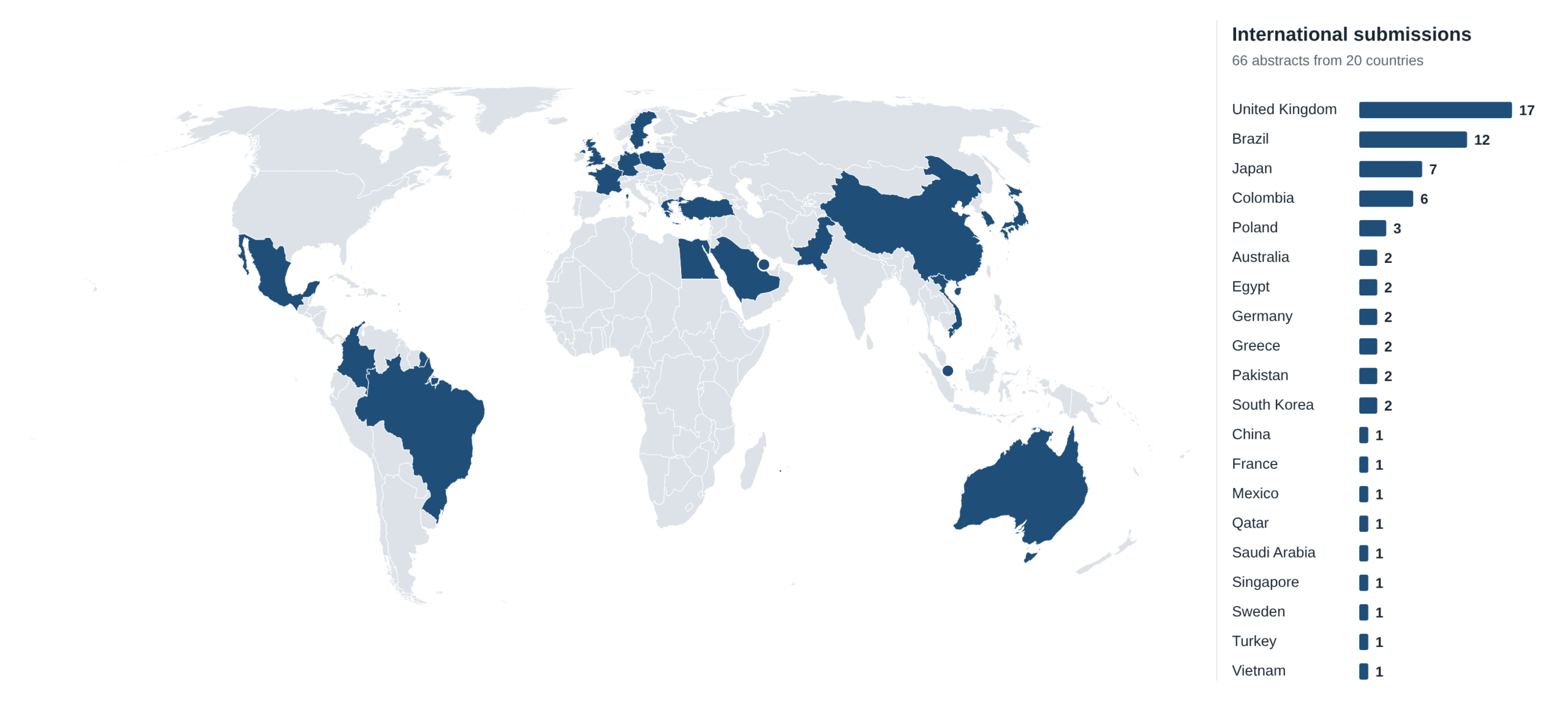
Figure 1. Abstracts for AVF 2027 arrived from 20 countries on six continents.
Beyond the Image: Understanding Venous Disease through Ultrasound
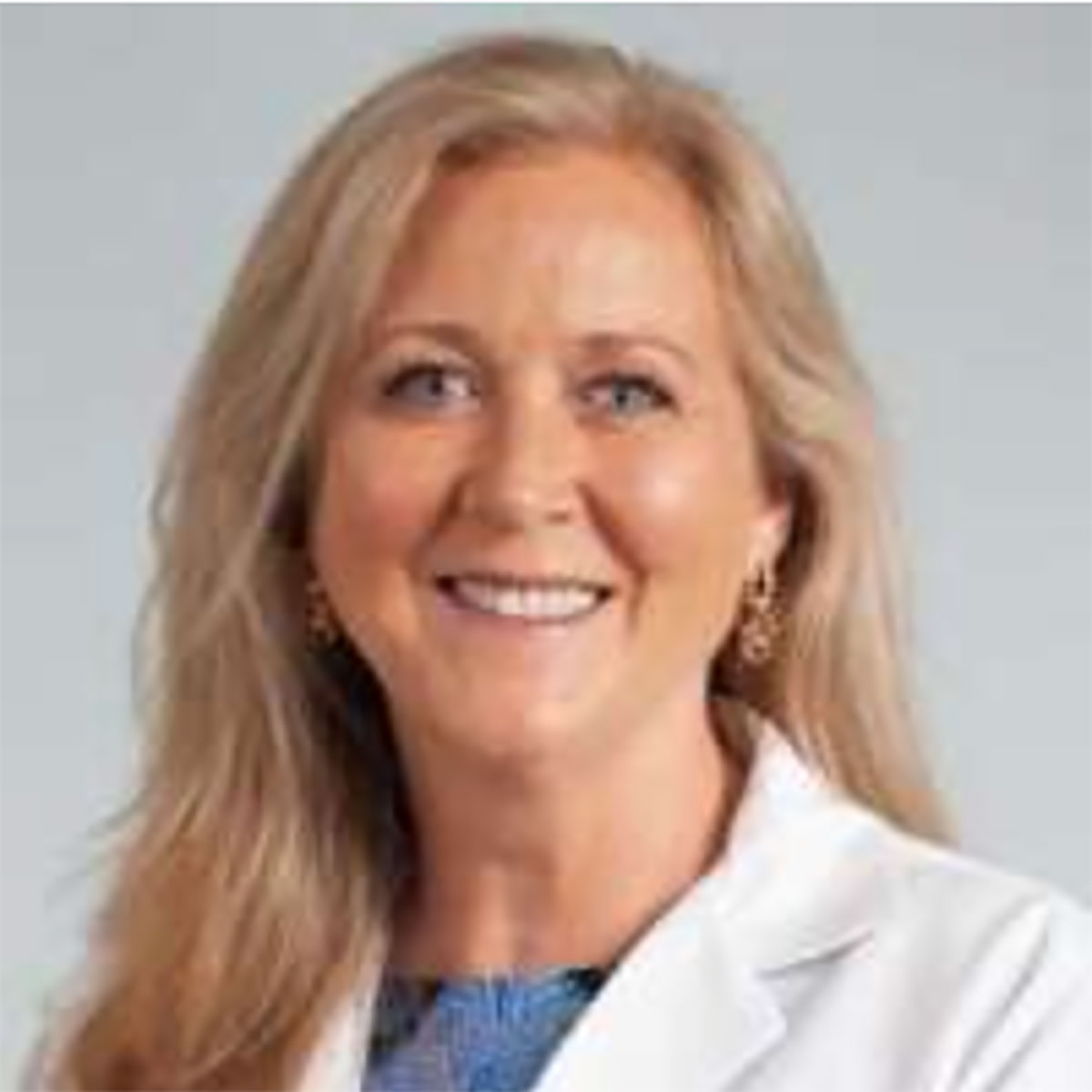
Julianne Stoughton, MD, FACS
Division of Vascular and Endovascular Surgery
Massachusetts General Hospital
Harvard Medical School, Boston, MA
The American Venous Forum (AVF) is introducing a dedicated venous ultrasound program at its upcoming annual meeting. The novel program is designed for vascular sonographers and healthcare professionals seeking to expand their understanding of venous disease and duplex imaging. Led by experienced venous specialists and expert sonographers, this clinically focused, case-based program bridges the gap between ultrasound findings and underlying venous pathophysiology.
Saturday’s sessions cover patient history, clinical examination, deep and superficial venous anatomy, reflux assessment, calf pump physiology, and venous hemodynamics, with practical case discussions throughout. Sunday’s program advances into pelvic venous disease, pelvic duplex imaging, and complex deep venous hemodynamics. Whether you are new to venous imaging or an experienced sonographer looking to sharpen your skills, this program offers an opportunity to learn from experts, improve diagnostic confidence, and better understand the clinical significance of what you see on the screen.
Join us at AVF and go beyond scanning veins—learn to understand the disease behind the image. Learn more about the Ultrasound Program at AVF 2027.
Session Honoring Dr. Villavicencio Includes Presentation of Top Abstracts and Discussion of Controversial Topics

Kathleen Ozsvath, MD, FACS
Vice President, The American Venous Forum
Chief of Surgery, Samaritan Hospital, Troy NY
Vascular Associates, St Peters Health Partners, Albany, NY
Dr Villavicencio was born in Mexico. He was the oldest of 6 children. At age 14 he was orphaned. He graduated from medical school in 1952. After serving as a medical officer in the military, he moved to the U.S. in 1956. Dr Villavicencio spent several years conducting research, returning to his homeland in 1962 to finish his military commitment. In 1982 he returned to the U.S., where he became Distinguished Professor of Surgery at the Uniformed Services School of Medicine. He started the first venous and lymphatic clinic at Walter Reed Army Hospital. He earned many honors during his career and published extensively. He advocated the pursuit of understanding of the arterial system, venous system, and lymphatic system.
The American Venous Forum has dedicated a session at the annual meeting each year in honor of the great Dr Villavicencio. It is the distinct pleasure of the AVF Vice President to help plan the session each year. Dr Ozsvath, together with Drs Murayama and. Gonzalez, have worked together to create a great program. The top 3 abstracts chosen by the program committee will be presented during this session. Additionally, 3 topics of interest will be presented. Debates have been organized between key leaders to encourage the discussion of controversial topics. The organizers are especially proud that experts from around the world will be participating to create a wonderful educational program. The debates will be thought-provoking, covering topics in superficial, deep, and pelvic venous disease.
We hope to see all of you at AVF 2027!
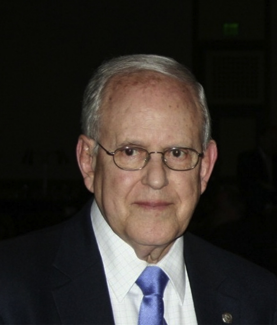
Dr J Leonel Villavicencio
For Further Information: Roger T. Gregory, James S.T. Yao, Walter J. McCarthy, J. Leonel Villavicencio, MD (1926-2019), Journal of Vascular Surgery: Venous and Lymphatic Disorders, Volume 7, Issue 4, 2019, Page 616, ISSN 2213-333X,
https://doi.org/10.1016/j.jvsv.2019.02.010.
(https://www.sciencedirect.com/science/article/pii/S2213333X19301623)
