Beyond Borders: Why the AVF Is Worth the Journey
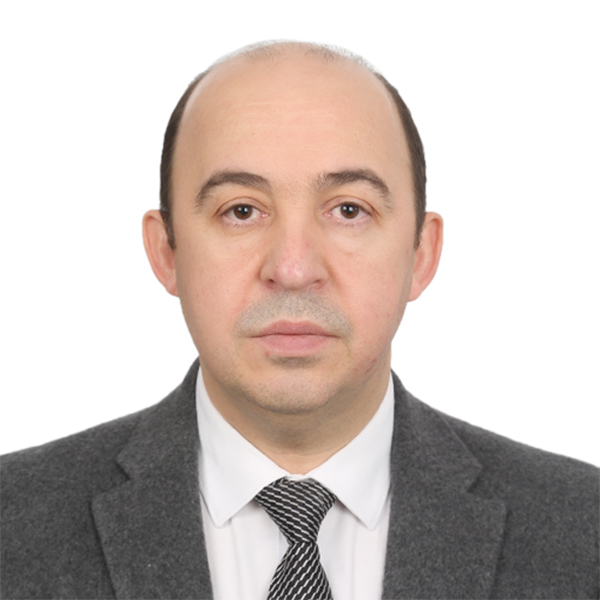
Prof. Suat Doganci, MD
Member, AVF International Committee
President, Turkish Society of Phlebology
Secretary General, European College of Phlebology
Board Member, European Venous Forum
For those of us who live across an ocean from the site of the gathering, attending the American Venous Forum (AVF) Annual Meeting requires planning, time away from practice, and a long journey. Yet what we bring home—knowledge, ideas, and connections—makes that effort worthwhile.
The AVF helps shape the field of venous disease by encouraging scientific exchange, innovation, and new research. Its scholarship opportunities also support colleagues interested in developing their knowledge and becoming involved in our specialty.
Two years ago, I was selected to serve on the AVF International Committee, and I have been actively involved ever since. This experience has strengthened my belief that international membership offers an opportunity both to learn and to contribute. Different healthcare systems bring different challenges, and sharing our perspectives helps us ask better questions and explore new approaches.
An equally valuable part of the annual meeting is the networking that takes place beyond the scientific sessions. A conversation over coffee, an introduction between sessions, or an evening spent with colleagues can open the door to lasting friendships and future collaboration. These informal exchanges create space to discuss everyday clinical challenges, seek advice, and discover shared research interests.
For international members, these connections help sustain a sense of belonging throughout the year. They make it easier to reach out, exchange ideas, and continue learning long after returning home.
My encouragement to colleagues considering the trip is simple: come to learn, but also come to connect. Bring your questions; share your experience; and make time to meet people.
If our goal is to develop our skills, generate new ideas, and use what we learn to help patients in our own countries, this journey is a valuable investment.
We travel across borders, but the knowledge and friendships we bring home continue to grow.
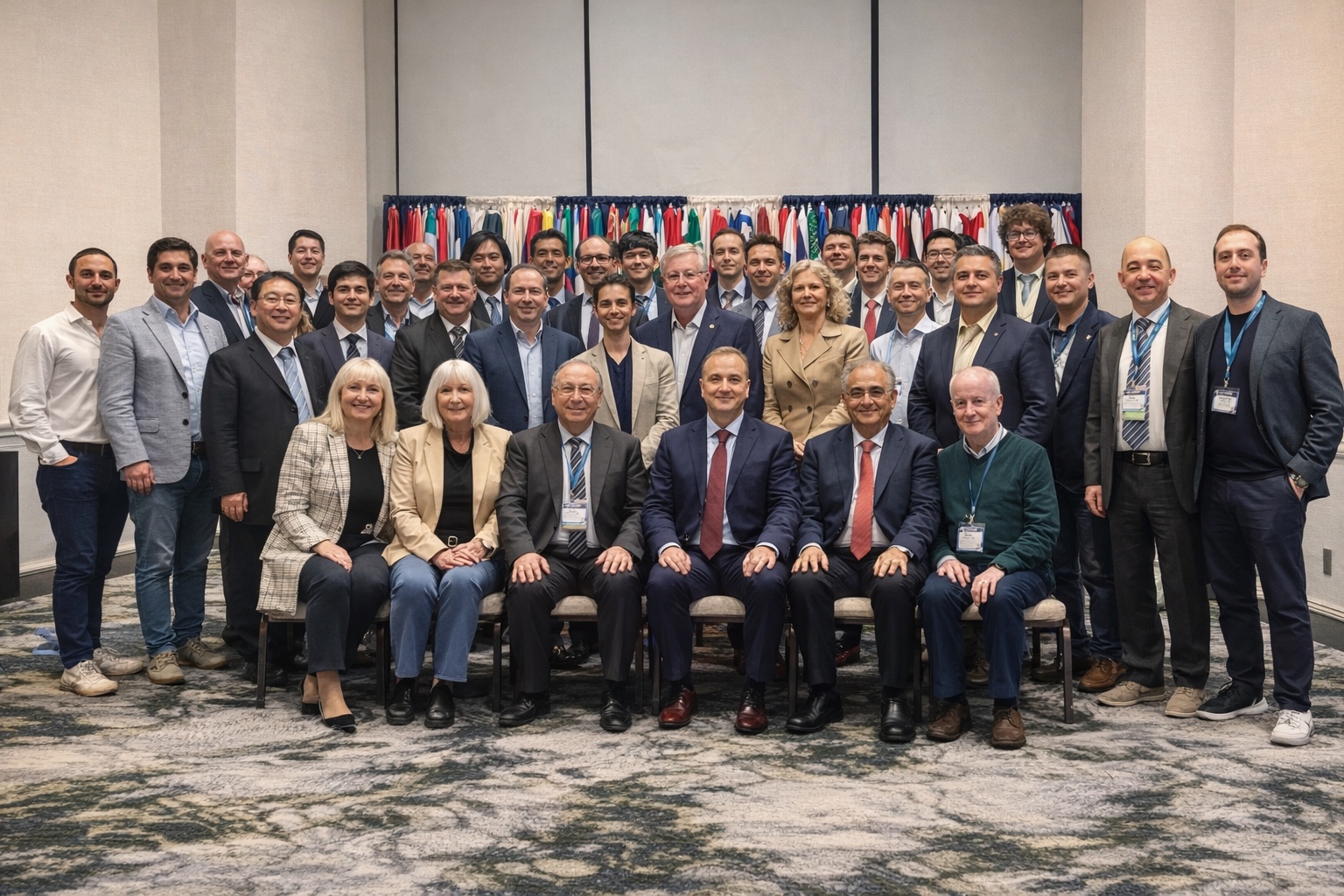
Colleagues from around the world connect at the AVF Annual Meeting, sharing perspectives and building relationships across borders.
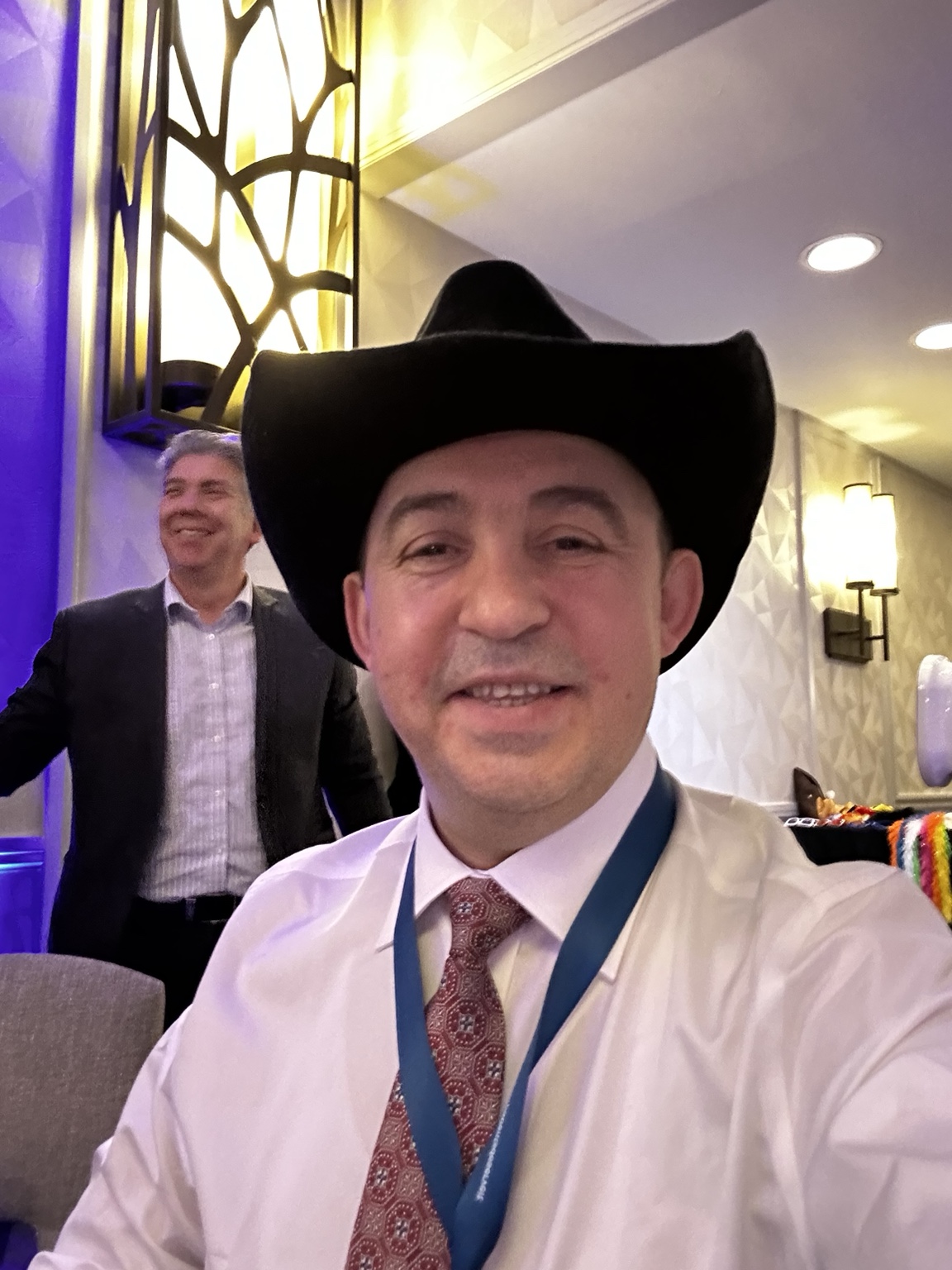
Beyond the scientific sessions, social gatherings offer opportunities to connect and build friendships.
APP Corner: What I Learned from Presenting at Annual AVF Meetings
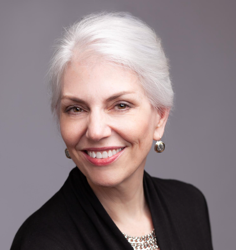
Lorraine Loretz, DPM, MSN, FNP
Member, AVF Membership Committee
As an APP, I was pleased to be part of the planning committee for the new APP sessions at annual AVF meetings in 2023, 2024, and 2025. These opportunities offered both expected and surprising benefits:
- I gained more experience as a speaker. Although I have presented many times in the past, AVF offered me a larger, engaged audience with experience and interest in venous disease. It is one thing to present a venous topic to the public or a family practice group, and quite a different experience with an audience in your own area of practice. This made it very enjoyable.
- Armed with information I had gained through vascular practice, I was able to apply my clinical experience to the venous presentation topics. This added personal familiarity to patient diagnosis and care topics. For any experienced APP new to creating a presentation, I wager that you would be surprised to see how many examples and pearls you will find readily available within your own clinical experience.
- Throughout the meetings, I met awesome APP and physician colleagues, who offered more opportunities for networking and collaboration. I gained new friends, APPs in my specialty that I would not have met otherwise. Integrated sessions with physicians and APPs encouraged sharing of knowledge and ideas. Increased professional contacts within AVF can lead to committee involvement, participation in guideline development, and research opportunities. The door is wide open.
- Participating as a speaker led to interaction with product vendors, increasing my knowledge regarding tools, supplies, and patient care devices. So often these interactions are absent from our practice environments due to regulations and lack of time. Getting to know product representatives can lead to implementation of a new product or streamline the prescribing process. There are even opportunities within industry to participate as a speaker consultant if that interests you.
Leadership pathways abound within the venous and lymphatic community. Conversations, roundtable discussions, and meeting participation not only advance your venous knowledge, but set you on that leadership road. I encourage every APP member to submit ideas for educational topics, hands-on workshops, networking, or mentoring, and resource sharing. Becoming involved by presenting offers new beginnings for furthering your career– I highly recommend it. Please also encourage your nonmember APP colleagues to join AVF, participate in the annual meeting, and maximize their professional development.
From Fellow to Attending: How AVF Shaped My First Year in Practice
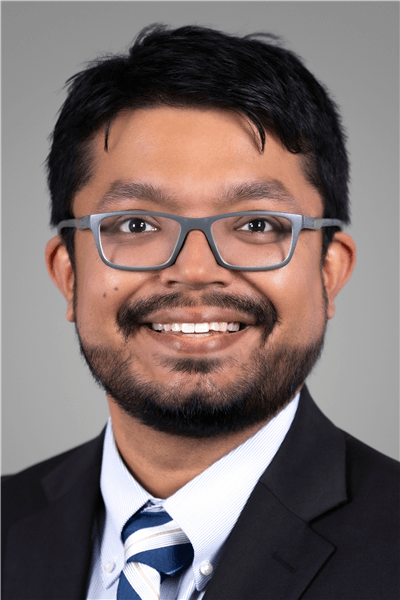
Vashisht Madabhushi, MD, MPH
Member, AVF Membership Committee, Venous CommUnity Committee, and Continuing Education Committee
Assistant Professor of Surgery, Indiana University
“The American Venous Forum? Why would I go to that?”
That was my first reaction when I was encouraged to apply for the AVF 2025 Physician-in-Training (PIT) course. Now I’m a year into practice as a vascular attending, and I can tell you exactly why.
My AVF journey started at that PIT course, and it was one of the most practical parts of my training. Drs Kabutey and Harth walked us through iliocaval stenting, and I’m glad they did. Some of my hardest venous cases this year have been exactly that. Dr Elias moderated a session on venous wounds that I rely on all the time, because wound care is a big part of my practice.
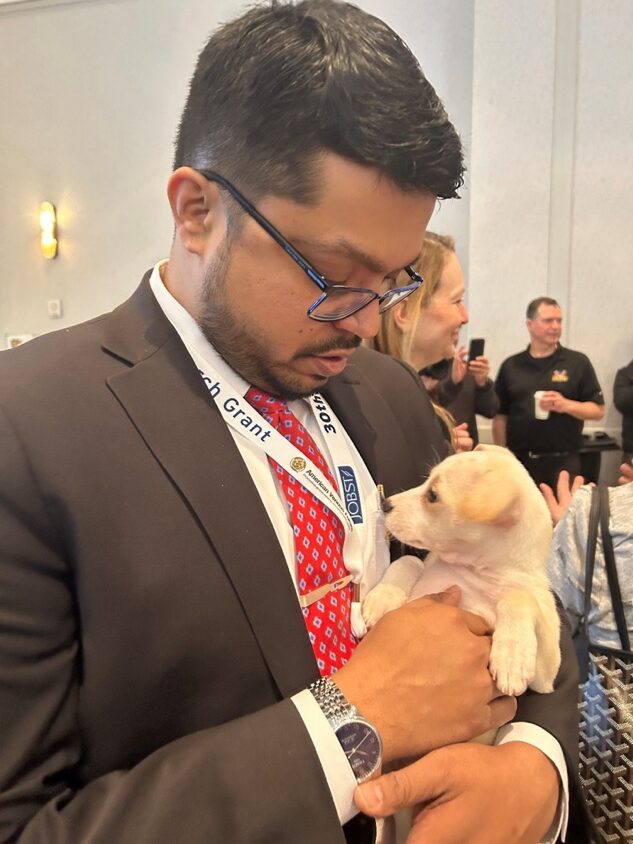
The Fellows Course also brought me to my first AVF Annual Meeting, in Atlanta. The range of topics was impressive: complex nutcracker syndrome, VTE prevention during large-scale disasters, and the unmet needs in venous surgery. I left energized and more passionate than ever about caring for patients with venous disease. (The puppies didn’t hurt, either.)
What surprised me most was how quickly I went from attendee to participant. Today I serve on the Membership Committee, the Continuing Education Committee, and the Venous CommUnity Committee. At every step, AVF members have welcomed me. They asked for my ideas, made room for a new voice, and treated me as a colleague from day one. In a field where it’s easy to feel like the newest person in the room, that matters.
If you’re a trainee or early-career physician wondering whether AVF is for you, you may be assured that I asked the same question not long ago. Here’s my advice: apply for the PIT course, come to the meeting, and join AVF. You’ll come home with skills you’ll use every day, and you’ll find a community that’s ready to welcome you.
Being an International Member of the AVF: The Value of the Journey
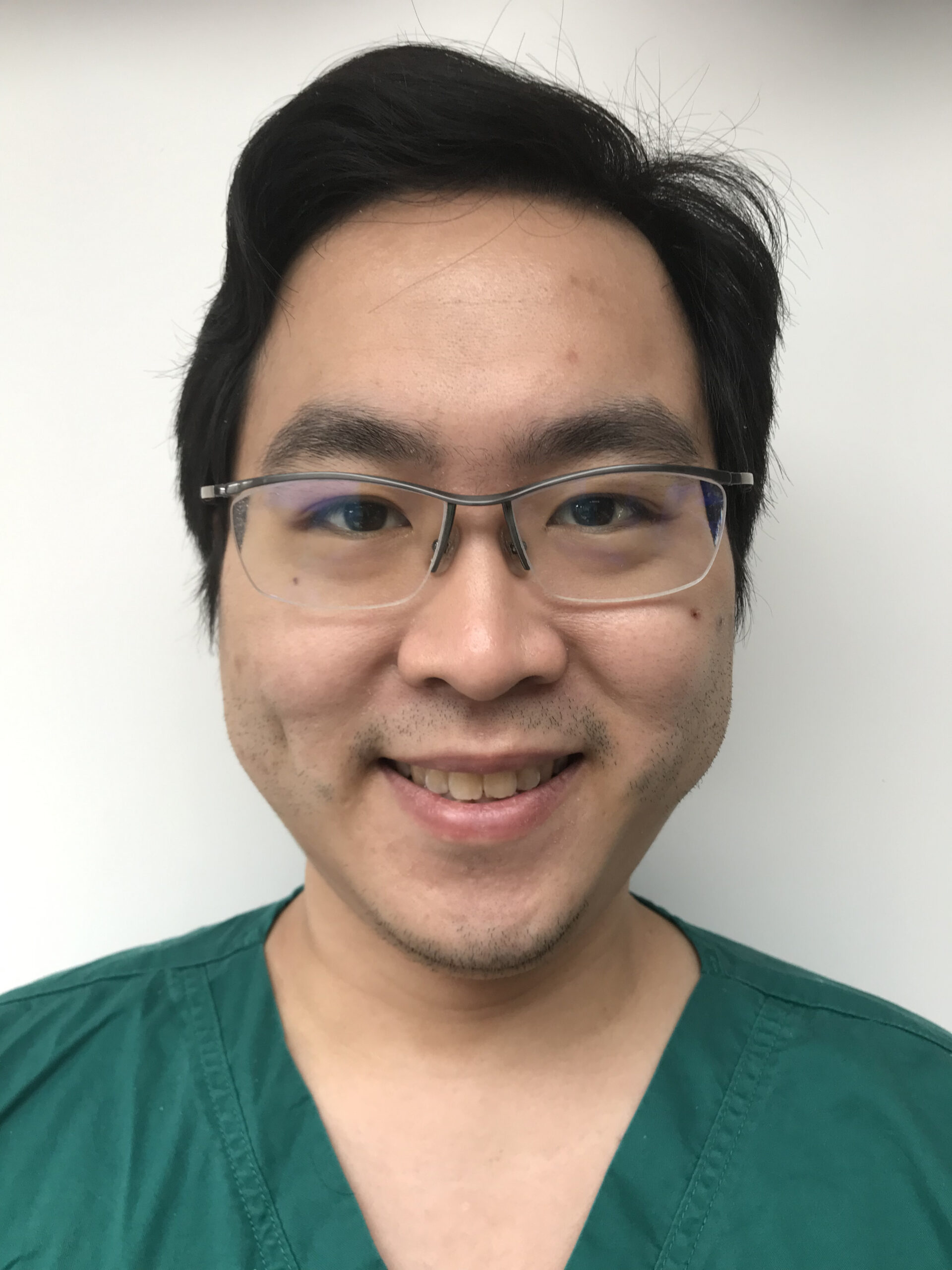
Matt Tan, MD
Resident Doctor and NIHR Lecturer in Vascular Surgery
Imperial College, London
The first time I priced a trip to the AVF Annual Meeting, I nearly closed the browser. Flights from London, a hotel, and the conference registration on top of that: for an NHS vascular surgery resident, the costs can easily exceed a year’s study budget. Further, that is before negotiating leave and swapping on-calls in the middle of winter pressures. Add a time difference and a theatre list or busy clinic waiting the day after you land, and it is fair to ask whether it is worth it.
For me, it has been, many times over.
The first reason is the people in the room. Where else do vascular surgeons, radiologists, phlebologists, wound care specialists, and laboratory scientists spend 4 days talking about veins? I study the biology of venous leg ulcers, and I have had ideas I thought were sound taken apart, kindly of course, by clinicians who have treated thousands of them. Those conversations have shaped my research more than any reviewer’s comments.
The second is access. The meeting is big enough to matter and small enough to be approachable. Senior figures whose papers I had cited for years were happy to chat over coffee, and the Physician-in-Training sessions are built for exactly that kind of contact.
The third is perspective. Seeing how venous disease is managed in a very different health system has made me look harder at our own practice back home, both what we do well and what we could do better.
Finally, the Forum supports its international members. AVF scholarships got me to Tampa and Denver, and I genuinely do not think I would have made either trip without them. AVF research awards have since funded 2 of my post-doctoral projects. What started as a routine trip to an international conference has now become a professional home.
If you are an international resident doctor on the fence about attending AVF’s annual meeting, my advice would be to apply for the PIT scholarship, put in an abstract, and book your leave early. The journey is long, but it pays you back. We hope to see you all in Nashville next year.
Beyond the Case: Building Community Through Shared Experiences
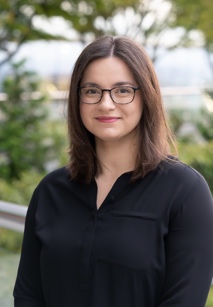
Eni Nako
Vascular Surgery Resident PGY-4
OHSU
To me, the most important aspect of vascular surgery is the continuity of care we have with our patients and the sense of community we build through this–not only with them, but also with and among our colleagues from whom we often seek insight when presented with a challenge. However, not infrequently, surgical training (and, I imagine, practice) can feel quite isolating despite being constantly surrounded by others. There are many moments where it feels that only we know the true weight of the losses we carry—and there is likely some truth to that, especially in a culture where we are quiet about our wins and publicly critical of our losses.
However, some of these hard-fought wins are more than just wins. They can also serve as potential plans of attack for our colleagues facing similar challenges. Being able to share our cases, the journeys we took, and, ultimately, the improvement in quality of life of our patients reinforces that we, as vascular surgeons, truly are a community. A community where we can lean on each other for guidance and encouragement when things are difficult. And, equally as important, one where we celebrate the successes of our colleagues and their patients. Having the opportunity to present a challenging case at the AVF’s 2025 Annual Meeting Case Competition and share the journey of our patient with the other conference attendees was an invaluable experience. It allowed me to engage with a broader community of colleagues, exchange perspectives, and learn from shared clinical experiences, reinforcing the importance of collaboration and continued learning in advancing patient care. I’m incredibly grateful for the support of the AVF in opening the door for me to share in this as a surgical trainee.
Ending a Lifetime Cap on Vein Care: A North Carolina Physician Advocacy Success Story
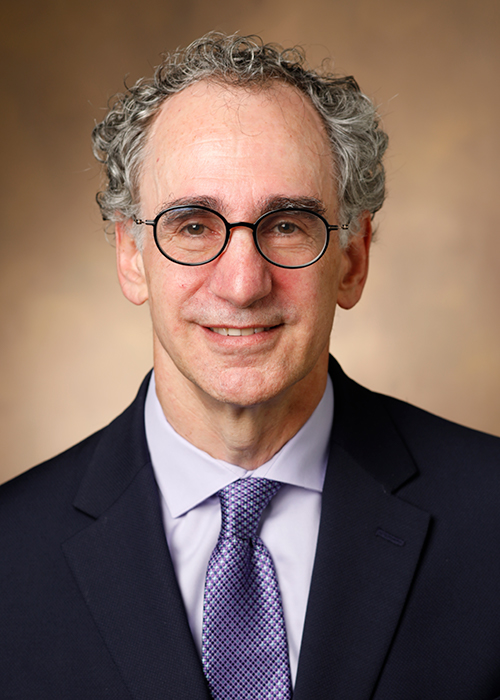
Mark Iafrati, MD
President, The American Venous Forum
Physician advocacy has helped secure an important change for patients covered by the North Carolina State Health Plan. On October 27, 2026, the Plan’s Board of Trustees voted to remove its “one procedure, per limb, per lifetime” limitation for varicose vein procedures. The proposal appeared in the Board’s materials as a 2027 benefit change.
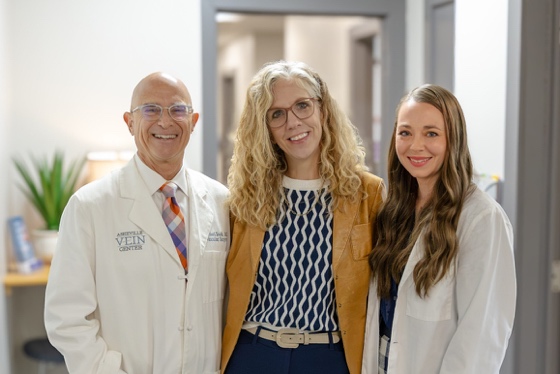
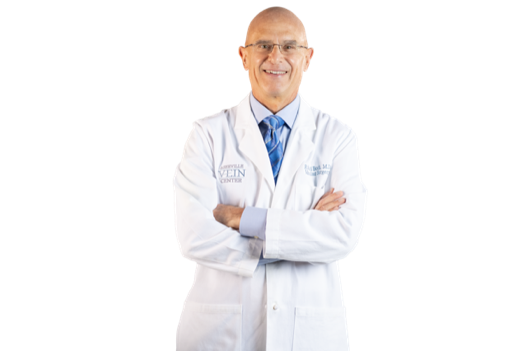
Richard W. Bock, MD, an AVF member and vascular surgeon at Asheville Vein Center, presented the coverage barrier to the Plan’s Medical Policy Advisory Committee. The committee recommended removing the limitation, and the Board approved that recommendation.
Why this matters for patients
Venous disease does not always impact a single vein or resolve with a single intervention. Patients may experience persistent or recurrent symptoms that warrant further evaluation and, when appropriate, additional treatment. Under the old rule, they had no path to covered treatment. The joint SVS/AVF/AVLS clinical practice guidelines recognize the need to evaluate symptomatic recurrent varicosities and provide recommendations for treatment based on the source of recurrence.
A lifetime limit can prevent coverage of additional medically necessary care solely because a patient has already undergone a procedure on that limb. Removing the restriction creates an opportunity for coverage decisions to better reflect the patient’s current symptoms, diagnostic findings, and treatment needs.
How it happened
Dr. Bock presented clinical evidence to the advisory committee, along with practical alternatives such as CEAP-based criteria similar to Medicare contractor policies.
The Board acted at a meeting focused largely on serious financial pressures. That suggests a well-documented clinical case can succeed even when budgets are tight.
The result builds on earlier specialty society work. In 2020, AVF joined with the SVS and AVLS in urging Blue Cross NC to drop the limit. BCBS (which lost the N.C. State Health Plan contract to Aetna in 2025) still maintains an identical limit. Now that the NC State Health Plan has removed it, BCBS becomes the only insurance carrier in the nation to maintain a one-vein-per-leg-per-lifetime coverage limitation.
Access and appropriate utilization
The policy change will be accompanied by work between Plan staff and the third-party administrator to establish appropriate utilization management oversight. The goal is to support access to necessary care while addressing unnecessary procedures.
Practices should verify the effective date, applicable benefit provisions, and authorization requirements as implementation details become available. The Board’s approval should not be interpreted as automatic coverage of every subsequent procedure.
A lesson in advocacy
Dr. Bock’s effort offers a practical example for AVF members: identifying a specific coverage barrier and bringing clinical expertise directly to payer decision-makers can produce meaningful change. His success reinforces the value of sustained physician participation in health policy discussions and the importance of coverage policies that accommodate patients’ evolving care needs.
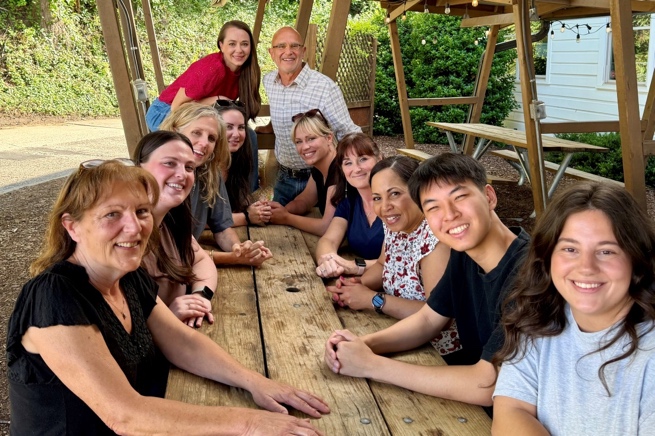
Asheville Vein Center – Board-Certified Vein Specialists in Asheville, NC
What Are You Tripping Over? A Leadership Question Every Physician Should Ask
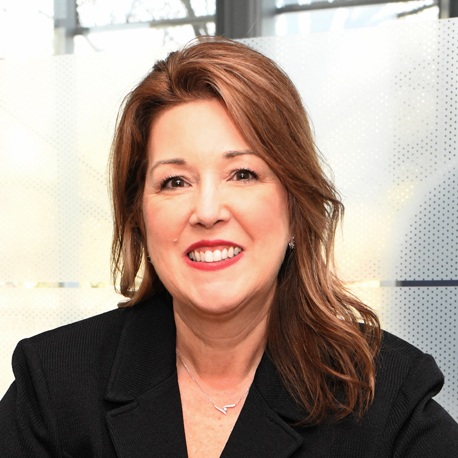
Sherry Budziak
Founder and CEO, .orgSource
Co-author, RUG: Move What You Are Tripping Over and Lead with H.E.A.R.T.™
Physicians are trained to look beneath the obvious—to diagnose the source, not merely treat the symptom. Yet when we lead teams, practices, departments, boards, or professional organizations, it is surprisingly easy to do the opposite. We adapt. We work around. We accept inefficiencies because there never seems to be enough time to stop and address them.
A cumbersome process. Technology that creates more work. A meeting that no longer produces decisions. A colleague whose ideas are not heard. An assumption that remains unquestioned because “we have always done it this way.”
These are what I call RUGs: the obstacles we normalize, step over, and eventually trip over.
The challenge is not only identifying the rug. It is leading the change required to move it. That takes H.E.A.R.T.—Humanize, Empower, Ascend, Reimagine, and Transform.
Humanize by beginning with people, not processes. Understand how the obstacle affects patients, colleagues, staff, and the next generation of leaders.
Empower the people closest to the work to help define the problem and shape the solution. Change imposed from above may produce compliance; meaningful involvement produces commitment.
Ascend above the immediate pressure long enough to see the larger pattern. The problem in front of you may be a symptom of a deeper structural or cultural barrier.
Reimagine what could be possible. Do not simply use new technology to make an outdated process move faster. Question whether the process should exist in its current form at all.
Transform insight into action, ownership, and accountability. A good conversation is not transformation. Progress requires a decision and a measurable next step.
Professional communities are essential to this work. They give physician leaders a place to learn from peers, test assumptions, build coalitions, and see beyond the boundaries of their own institutions.
As you look toward the year ahead, ask three questions:
What have we learned to work around? Who is affected by it? What could become possible if we moved it?
Start with one rug. Name it without blame. Invite the right people into the conversation. Choose one action and establish accountability.
The next breakthrough may not begin with another initiative or a new piece of technology. It may begin with the courage to stop stepping over the same obstacle—and finally move it.
Sherry Budziak is the founder and CEO of .orgSource, where she helps associations and mission-driven organizations strengthen strategy, modernize operations and technology, develop leaders, and turn transformation into action. She is the co-author of RUG: Move What You Are Tripping Over and Lead with H.E.A.R.T.™

Welcome New AVF Members!
American Venous Forum
September/October 2026
| Member Name | Country |
|---|---|
| Mostafa Abdelraheem, MD, MSc, PhD | United States |
| Omar Abualata, MD | Egypt |
| Benjamin Adegbite, MD | United States |
| Manal Ahmad, MD, MRCS, MAcadMEd, PGC MedEd, PhD, DIC | United Kingdom |
| Karthigesu Aimanan, MD | Malaysia |
| Luciane Aledi, MD, MSc, PhD | United States |
| Olivia Anga, RN | United States |
| Adriana Araya, MD | Costa Rica |
| Kamran Ather, DO | United States |
| Janelle Bowden, DNP | United States |
| Ahmet Bozkurt, MD | Türkiye |
| Nathalia Cardoso Oliveira, MD, MSc, PhD | Brazil |
| Quan Chen, MD | China |
| Da Eun Chung, NP, MN | Canada |
| Calvin Coffey | United States |
| Brandon Creisher, MD | United States |
| Kate Dobesh, MD JD | United States |
| Ganesh Dudani, NP | United States |
| Luis Figueroa, MD, FRCSC | Canada |
| Shamailah Haque, BS | United States |
| Mariela Hernandez Bermudez, MD | Costa Rica |
| Brian Jones, MD | United States |
| Sangdong Kim, MD, PhD | Korea, Republic of |
| Krzysztof Kowalik, MD, MSc | Canada |
| Wendy Lobo, NP | United States |
| Alexandra Marston, OTR/L, CLT | United States |
| Alvaro Martinez | Colombia |
| Maximilian Mayr, DO, MBA | United States |
| Yvette Mier, RN | United States |
| Rameen Moridzadeh, MD | United States |
| Talal Mourad, MD | United States |
| Janice Nam, MD | United States |
| Mark O’Donnell, MB BCh BAO MMedSc MD FRCS | United Kingdom |
| Patricia Irene Pascoal, MD, PhD | Brazil |
| Heather Perne, NP-C | United States |
| Craig Pickering, MBBS | Australia |
| Laura Pradines, MD | Uruguay |
| Ioannis Prionidis, MD, PhD FRCS | United Kingdom |
| Pam Rogers, DNP, ANP-C | United States |
| David Sancho, MD | Costa Rica |
| Harsh Singh, MD | India |
| Pedro Soares Teixeira, MD | United States |
| Alexander Soussani, MD | United States |
| Mahmoud Turkey, MBBCh | Egypt |
| Haiyang Wang, MD | China |
| Ping Wang, MD | United States |
| Dostie Whitney, NP | United States |
| Eric Wilson, MD | United States |
| Faraz Yousefian, DO | United States |
