5 Biggest Mistakes During Sclerotherapy Procedure
Tomasz Urbanek, MD
Chair, AVF International Committee
European Centre of Phlebology, Katowice, Poland
Sclerotherapy, an important part of the phlebological treatment, can result in high clinical success; on the other hand, it is not free from complications or unwanted sequelae related to mistakes or improper procedure performance. As some of these mistakes can be avoided, they are worth mentioning.
Missing or not identifying the reflux sources. The performance of sclerotherapy without identification of reflux sources can lead not only to treatment failure (lack of the vessel occlusion), but also to hyperpigmentation and matting occurrence as well as to vein thrombosis instead of its obliteration.
Using high sclerotherapy agent concentration. In both liquid and foam sclerotherapy, the concentration of the drug matters. Using an agent that is too strong can result in higher hyperpigmentation, skin irritation, and soft tissue inflammation. It should also be remembered that foam is 2 – 3 times stronger than liquid and in C1 sclerotherapy should be used with great caution, applying the lowest concentration possible.
Applying a large volume of the drug in a single injection. Application of a high volume of foam in large vein treatment in a single high-pressure injection can increase foam-related complications, compromising efficacy and safety. Using a single shot instead of fractionated sclerosing agent/foam administration can also result in mixing the foam with blood in the distance from the injection site, which results in decreased sclerotherapy efficacy as well as a higher hyperpigmentation rate. Also, in C1 pathology an administration of sclerosing agent by single high-volume injection for large skin areas may lead to higher matting and hyperpigmentation rate with potentially decreased efficacy.
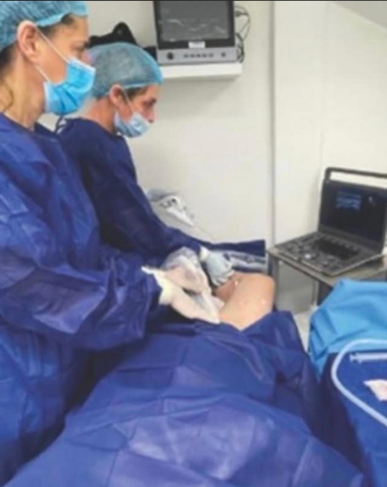
Performing non-ultrasound guided sclerotherapy in a large vein or poorly visible vein pathology. Performing foam sclerotherapy in these cases (eg, truncal veins, big tributaries, perforators, large varicose veins) can be risky not only in terms of potential arterial vessel puncture and injection, but also in terms of the lack of proper control of the foam migration and vessel closure.
Not following up with the patient after sclerotherapy. All sclerotherapy patients must be observed for not only local efficacy evaluation, but also in terms of possible complications and sequelae occurrence. During follow-up visits, the local thrombus extraction (thrombectomy) and the need for further treatment or observation should always be evaluated. As most hyperpigmentation is transient, and its occurrence is not apparent during the initial procedure, thrombus removal may be required during the patient’s follow up visit after the performed sclerotherapy procedure.
AVF 2027 Case Competition for Trainees
Trainee members who are interested in sharing a challenging, educational or interesting (or worst!) venous case can submit a case to participate in the AVF 2027 Case Competition. Selected participants will give short 3–5-minute oral presentations to AVF 2027 attendees who will vote on the cases. Prizes will be awarded for 1st and 2nd place!
The submission portal will open on August 14th. Keep an eye out in the AVF News for a link with more submission details!
Challenges When Treating Resource-Constrained Communities

Paola Ortiz, MD
Hospital Pasteur Vascular Surgery–Phlebology Department, Uruguay Vein Center, Montevideo, Uruguay
Board of Directors, Hackett Hemwall Patterson Foundation, Wisconsin, USA
Resource-constrained healthcare is not unique to any single country or region. Physicians caring for patients with venous disease worldwide practice in environments where access to technology, specialized equipment, reimbursement, and trained personnel varies considerably. Latin America reflects this reality well. As discussed in our publication, Treatment of Chronic Venous Disease in Latin America (JVS–Venous and Lymphatic Disorders), the region shows remarkable variability: some centers offer state-of-the-art endovenous technologies, while others must provide care with very limited resources. Fortunately, physician education, access to modern therapies, and evidence-based practice continue to improve throughout the region.
Table 1. Common Challenges When Treating Venous Disease in Resource-constrained Communities
|
Challenge |
Impact on Patient Care |
|
Availability of equipment and supplies |
Limited access to endovenous technologies and specialized materials. |
|
Consistent physician training |
Variable experience in duplex ultrasound and evidence-based venous interventions. |
|
Transportation to medical centers |
Delayed diagnosis, advanced disease, and limited follow-up. |
|
Government funding and reimbursement |
Unequal access to modern venous treatments within public healthcare systems. |
|
Ability of patients to pay |
Treatment options may be determined by affordability rather than availability. |
|
Language and cultural barriers |
Communication, patient education, and long-term adherence may be affected. |
Working across these environments has shown us that although therapeutic resources vary, our diagnostic algorithm remains the same. Every patient undergoes clinical evaluation and duplex ultrasound to identify the underlying venous pathophysiology. Treatment is then selected according to AVF and international guideline recommendations, physician experience, and available resources.
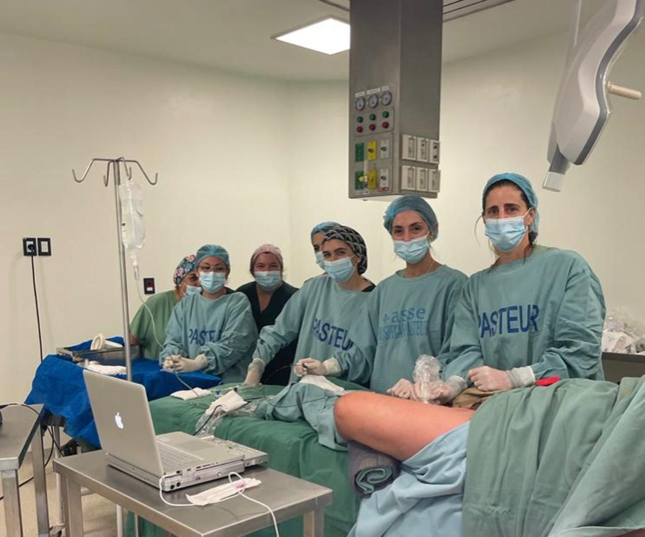
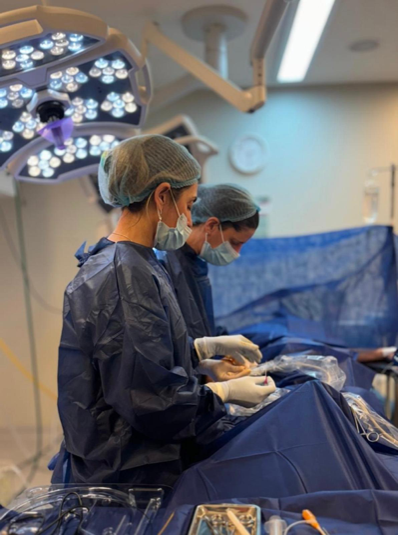
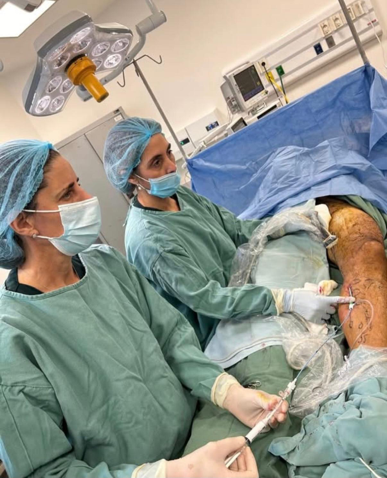
Uruguay illustrates this evolution well. Although surgical saphenous vein stripping remains the most commonly performed treatment for chronic superficial venous insufficiency, endovenous therapies-including thermal and non thermal ablation, ambulatory phlebectomies, have become increasingly available over the past decade. We introduced these techniques and other minimally invasive procedures several years ago at Uruguay Vein center. More recently, these treatments have also been implemented within the Hospital Pasteur Vascular Surgery–Phlebology Department and are provided at no cost to patients treated through the public healthcare system, making modern venous care progressively more accessible to the general population.
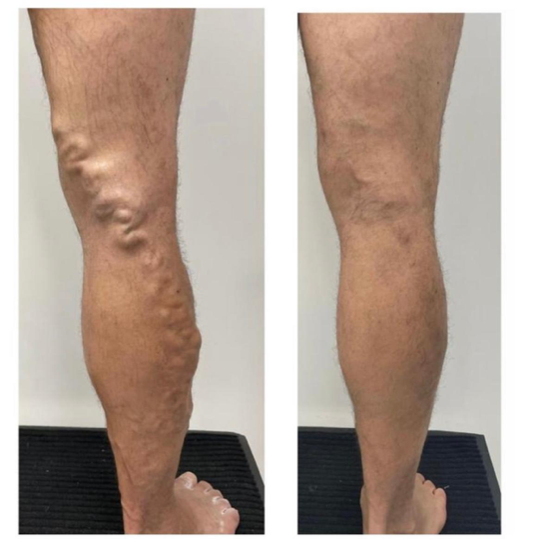
However, access remains uneven, and many patients throughout the region still cannot benefit from these technologies. In these situations, we continue to follow evidence-based diagnostic protocol. Consequently, we treat some patients very efficiently with ultrasound-guided polidocanol foam sclerotherapy, combined with compression therapy, and ambulatory microphlebectomy when available achieving excellent results despite limited access to catheter-based treatment.
For pelvic-origin extrapelvic varicose veins, after excluding symptomatic pelvic venous disease, our protocol recommends office-based ultrasound-guided foam sclerotherapy as first-line treatment. This minimally invasive, evidence-based approach delivers excellent outcomes while avoiding invasive procedures, AVF guidelines recommended. The same protocol is followed at our public teaching hospital, Hospital Pasteur Vascular Surgery Department, and our private center, Uruguay Vein Center, with outcomes prospectively documented in a dedicated database.
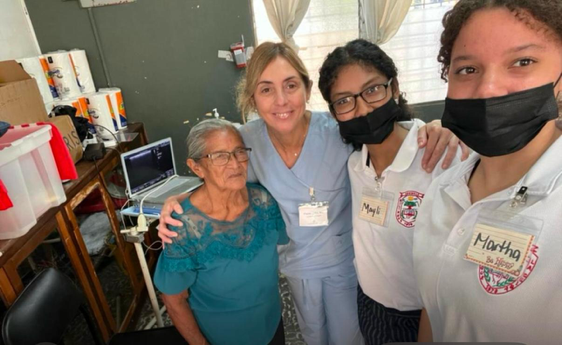
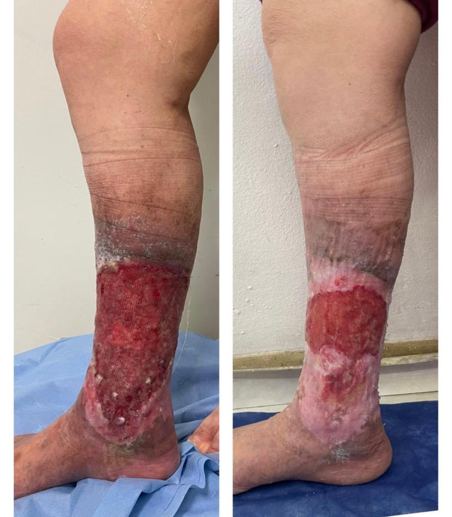
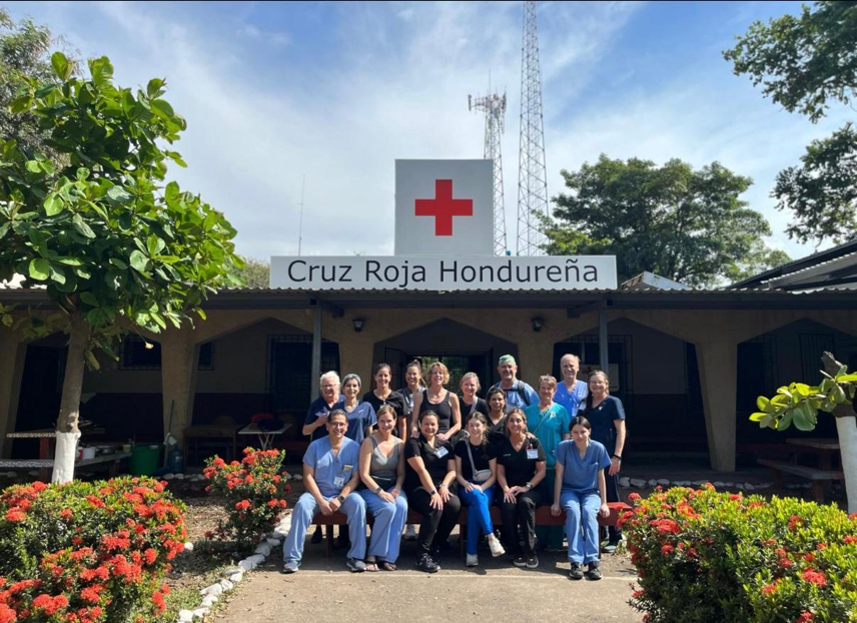
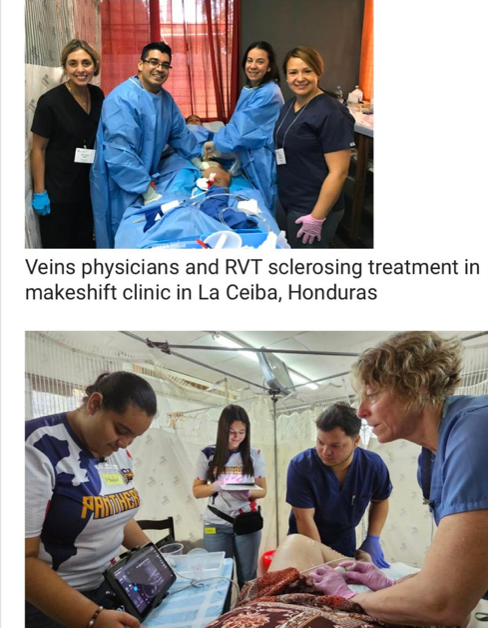
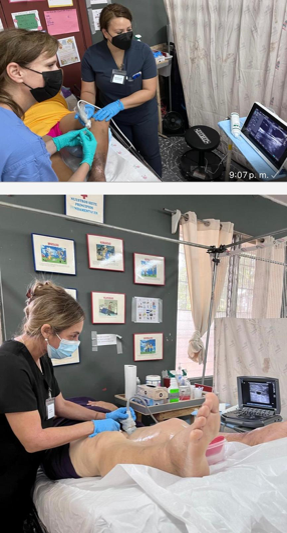
Our humanitarian work with the Hackett Hemwall Patterson Foundation in Honduras and Naples Cardiac and Endovascular Center in the Dominican Republic shows how the protocol adapts elsewhere. During each one-week campaign, multidisciplinary teams treat more than 2,000 patients, many with advanced chronic venous insufficiency and long-standing ulcers. When donated ablation catheters or PEM are available, they are used; otherwise, treatment relies on ultrasound-guided foam sclerotherapy directed at the reflux source, sclerotherapy below the ulcer, combined with compression therapy, focal external compression (“cording”) when appropriate, local wound care, patient education, and venoactive medications whenever available. Many patients require staged treatment over successive missions, and we have observed progressively fewer active venous ulcers returning each year.
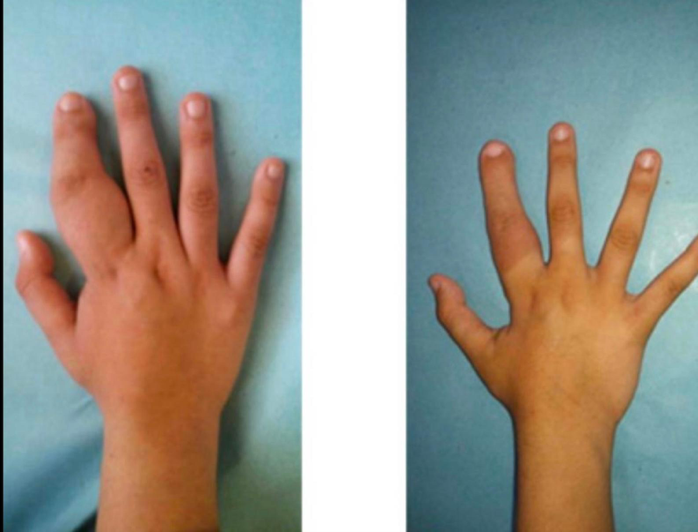
The same principles apply to venous malformations, where staged foam sclerotherapy with compression consistently improves symptoms and quality of life.
Our experience has shown that the diagnostic process should remain the same even when resources differ. Careful clinical evaluation, high-quality duplex ultrasound, adherence to evidence-based guidelines, standardized treatment protocols, and continuous physician education remain the foundation of successful venous care. By adapting our therapeutic options to the resources available while maintaining the same scientific standards, we can provide safe, effective, and patient-centered care in every healthcare setting.
Continued education, collaboration, and expanding access to modern venous care will help narrow these disparities worldwide.
Beyond the Veins: The Skin-Vein Partnership in Aesthetic Phlebology

Joana Storino, MD, MSc
Member, AVF Continuing Education Committee
Vascular and Endovascular Surgeon, Brazil
Patients rarely come to our offices asking for perfect veins. They come hoping for healthy, natural-looking legs. While we naturally focus on treating spider veins and reticular veins, our patients notice much more than the veins themselves. They see skin texture, hydration, pigmentation, and the visible effects of sun exposure and aging.
Practicing in Brazil, where intense sunlight is part of daily life, has taught me one of the most valuable lessons of my career. Early on, I realized that technical success did not always translate into aesthetic satisfaction. Even when vein treatment was performed flawlessly, patients were sometimes disappointed if the surrounding skin remained dry, photodamaged, or affected by post-inflammatory pigmentation.
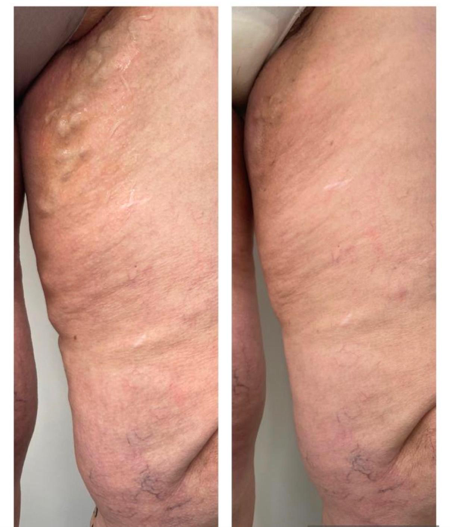
One of the greatest advantages in my practice has been working side-by-side with dermatologists. Their perspective has transformed the way I approach aesthetic phlebology. While we restore healthy venous circulation using duplex ultrasound mapping, sclerotherapy, and laser procedures, our dermatology colleagues help optimize the skin through hydration strategies, photoprotection, barrier restoration, and pigmentation management.
This collaboration has also changed the conversations I have with my patients. Skin preparation begins well before the first laser pulse or sclerotherapy injection and continues throughout recovery. Today, I consider educating patients about daily skin care to be just as important as selecting the most appropriate venous treatment.
As aesthetic phlebology continues to evolve, I believe our specialty has an opportunity to embrace a broader perspective–one that recognizes the close partnership between skin and veins. In my experience, the best aesthetic outcomes are achieved not only through precise venous treatment, but also through healthy skin, patient education, and genuine collaboration across specialties.
Perhaps the future of aesthetic phlebology is not simply about treating veins more precisely, but about caring for the skin that surrounds them with the same attention.
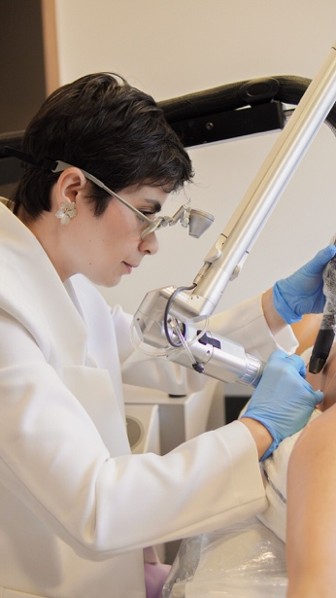
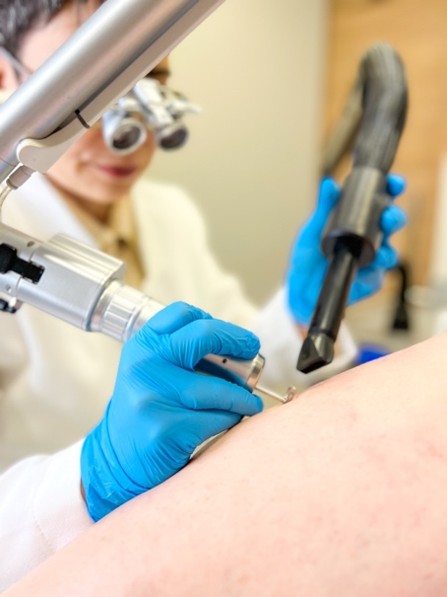
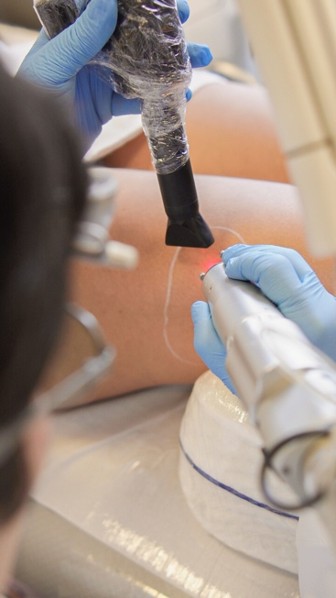
Photo of the author performing 1064-nm Nd:YAG laser therapy in clinical practice. Precision technology and clinical expertise work hand-in-hand to achieve optimal aesthetic and functional outcomes.
Joana Storino is a vascular and endovascular surgeon and vascular ultrasound specialist from Brazil. She serves on the Continuing Education Committee of the American Venous Forum, is a preceptor for the Vascular Surgery Residency Program at Rede Mater Dei de Saúde, and coordinates the Pelvic Team®.
Pelvic Venous Disorders Summit 2026: Advancing a New Era in Multidisciplinary Care
John White, MD
Co-Chair, PeVD Summit 2026
Arjun Jayaraj, MD
Co-Chair, PeVD Summit 2026
The American Venous Forum’s inaugural Pelvic Venous Disorders (PeVD) Summit, held June 27–28, 2026, in Chicago, marked a defining milestone in the evolution of pelvic venous disease as a recognized vascular condition deserving coordinated, evidence-based care. Bringing together an exceptional international faculty representing women’s health research, interventional radiology, gynecology, cardiology, physical medicine and rehabilitation, and vascular surgery, the meeting fostered an unprecedented multidisciplinary dialogue focused on improving the diagnosis and management of this frequently overlooked disease.
The 2-day program emphasized that pelvic venous disease extends far beyond venous anatomy—it exists at the intersection of chronic pelvic pain, overlapping pain syndromes, and complex patient experiences. Beginning with powerful patient perspectives and discussions on healthcare barriers, and the concepts of chronic pelvic pain from the gynecologists’ perspective, the summit progressed through contemporary understanding of pelvic venous anatomy, hemodynamics, classification, imaging, and clinical presentation before tackling the challenging management of S1, S2, and S3 disease, including pelvic floor physical therapy. Lively panel discussions highlighted areas of consensus while openly acknowledging unresolved controversies, including treatment sequencing, patient selection, and optimal approaches for combined venous compression and reflux.
Special sessions explored emerging topics such as pelvic venous disease in men, development of multidisciplinary PeVD programs, international perspectives, evolving outcome measures, and the anticipated impact of the EMBOLIZE trial. Interactive case presentations further reinforced the importance of individualized decision-making in patients with complex and overlapping venous pathology.
Perhaps the summit’s greatest achievement was its spirit of collaboration. Rather than focusing solely on procedural techniques, participants worked toward a shared vision of standardized terminology, evidence-based guidelines, meaningful clinical outcomes, and future research priorities. The meeting highlighted the importance of partnerships across specialties to improve recognition of pelvic venous disorders, reduce delays in diagnosis, and ultimately enhance the lives of patients suffering from chronic pelvic pain.
As the first dedicated meeting of its kind, the PeVD Summit established a strong foundation for continued collaboration and innovation. The American Venous Forum looks forward to building on this momentum as the global community works together to advance the science and care of pelvic venous disorders.
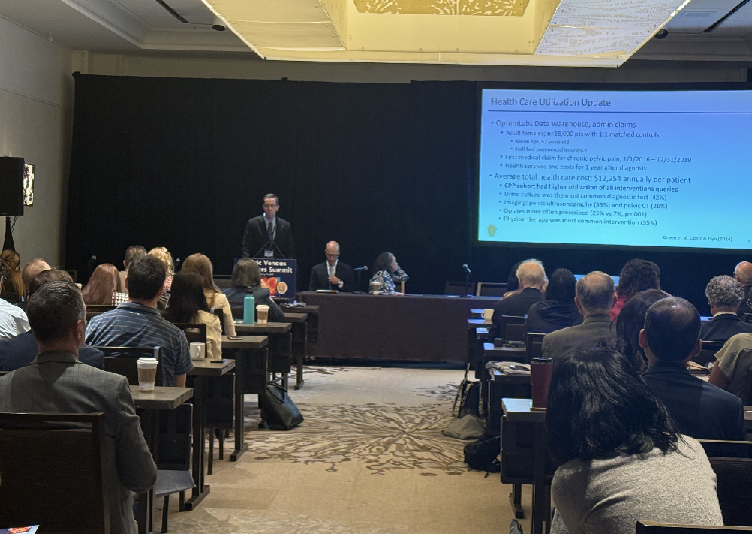
Figure 1. Photo from the PeVD Summit in June.
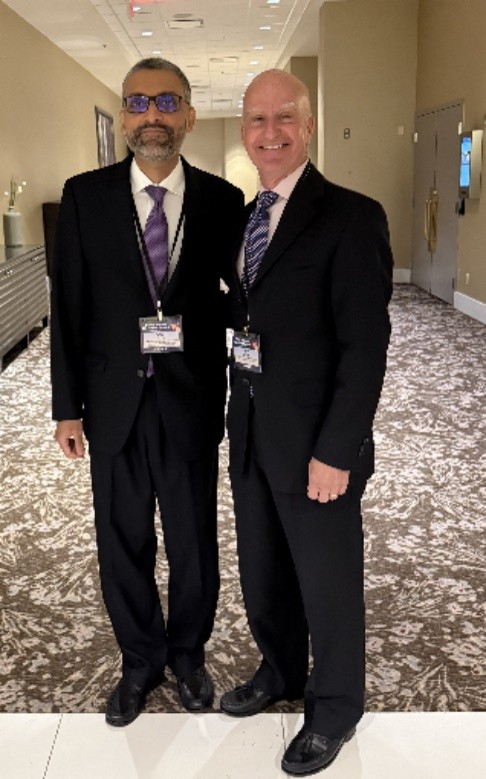
Figure 2. Co-Chairs of the PeVD Summit, Dr. Arjun Jayaraj and Dr. John White.
Why You Should Apply: The AVF2027 Scholarship Opportunity
Suzanna Fitzpatrick, PhD, DNP, ACNP-BC, FNP-BC, FAANP
Clinical Program Manager – Thoracic Surgery, Surgical Oncology, OMFS, ENT
Senior Nurse Practitioner- Division of Vascular Surgery
I’ve been to the AVF Annual Meeting many times, but this past year I was fortunate to receive the AVF scholarship for the annual meeting. I wasn’t sure an advanced practice practitioner would be competitive, but I applied anyway — and was grateful to be selected. It made more of a difference than I expected. It covered my registration and three nights of hotel, which meant I wasn’t worried about justifying the cost and could just focus on the meeting.
What really changed things for me was how the scholarship pulled me into the AVF community. It gave me the space to meet new people — physicians, researchers, and fellow advanced practice practitioners — all working toward the same goal of advancing venous disease education, prevention, and patient care. What struck me most was how inclusive that community is, welcoming everyone from experienced researchers and clinicians to novice practitioners just emerging into practice. Those relationships are what led me from just attending to chairing the Associate Member Committee and co-chairing the advanced practice practitioner programming for the Annual Meeting.
For Nashville 2027, we’re expanding advanced practice practitioner programming, including our peer-reviewed abstract session where advanced practice practitioners present their own research. Look into the AVF Annual Conference scholarship — scholarships open August 3rd and cover registration plus three nights of hotel. Hope to see you there!