Celebrating 30 Years of the AVF-JOBST Research Grant
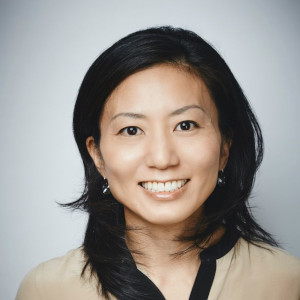
Eri Fukaya, MD
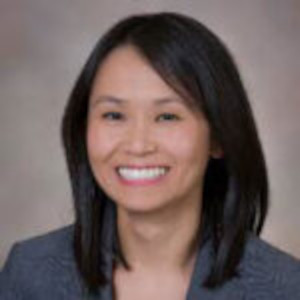
Khanh Nguyen, MD
2021 AVF-JOBST Research Grant Winner
This year marks the 30th anniversary of the AVF-JOBST Research Grant, a milestone that celebrates three decades of advancing research in venous and lymphatic disease. Established in 1995 through a partnership between the American Venous Forum and JOBST, the grant was created to support promising early-career investigators whose research has the potential to improve patient care and advance the field. Over the past 30 years, the program has helped launch the careers of many leaders in the field while funding groundbreaking research in venous and lymphatic disease. Today, the grant provides $85,000 over two years to support innovative clinical research focused on prevention, diagnosis, and treatment.
As we celebrate this milestone, we’re honored to share reflections from two former grant recipients on how the AVF-JOBST Research Grant helped shape their careers and research journeys.
2020 Winner: Eri Fukaya, MD
The JOBST-AVF Grant was instrumental in boosting my career as a clinician-researcher. Clinicians face many dilemmas in everyday practice, but most of the time, we are too busy or lack the resources to answer those questions. However, the JOBST-AVF Grant gave me the ammunition to perform a research endeavor that has helped shape my understanding of aspects of venous disease that I would otherwise not have recognized.
I have always been interested in the phenomenon of “leg swelling;” There are obvious reasons people can have swelling, but it can also be challenging to elucidate the driver of the symptoms. I was curious to know why some patients with severe varicose veins had swelling vs others not so much. Thus, I wanted to determine if swelling predicted or could be a diagnostic modality for varicose veins and venous disease. The grant supported me in a study titled “A New Diagnostic Modality for Chronic Venous Disease,” which looks at bioimpedance (this measures water content, ie, swelling) and how this correlates with disease. Interestingly, the results showed that bioimpedance did not correlate with C2 disease; however, in C3 and higher, there was a significant correlation. This led me to believe that there may be something different between patients with just varicose veins and patients with more advanced forms of disease.
In patients with venous leg ulcers, effective compression therapy would increase their bioimpedance by decreasing swelling and we would see the ulcers heal. However, not all patients with venous leg ulcers had venous reflux, so it got me thinking about other causes of venous hypertension. As I thought about this more, I came to the realization that we tend to focus on the structural (anatomical) aspects of venous disease (reflux and obstruction), but do not put enough emphasis on how the functional aspects (elevated central pressures due to obesity, obstructive sleep apnea, heart failure, lymphatic dysfunction, etc) can affect venous hypertension. This led me to think about chronic venous disease as a 2-part disease process: structural and functional. Some patients have just one, while others may have both elements. This concept is essential to understanding chronic venous disease and was featured in a recent clinical practice article in the New England Journal of Medicine to be disseminated to a broader medical audience. 1
The AVF-JOBST grant was the impetus for me to think about these concepts and help me launch my career as a specialist in this field. I am so grateful for the opportunity it provided me, and I know that I would not have been able to be the academic physician I am today without it. I believe the best way to give back is by continuing to be involved in education and research to understand the disease better, which will serve not only the practitioners in the venous and lymphatic community, but also patients who suffer from this disease.
References:
- Fukaya E, Kolluri R. Nonsurgical management of chronic venous insufficiency. N Engl J Med 2024;391:2350-2359
2021 Winner: Khanh Nguyen
I am very grateful for the opportunity to receive the Jobst-AVF research grant award. This award provided a critical first step in launching my research career by giving me the opportunity to develop my research idea and bring it to fruition. It also helped me establish productive connections with scientific colleagues through shared work and early visibility of the project through conference presentations including at the American Venous Forum’s annual meeting. The preliminary data generated through the award project enabled me to pursue and apply for subsequent grant funding. Overall, the Jobst-AVF award provided an invaluable opportunity to start a research career in venous disease. Undoubtedly, by funding so many venous investigators over the years, this award has had a profound impact in advancing our understanding of venous disease.
AVF and Argon Medical Partner to Advance DVT Clinical Research
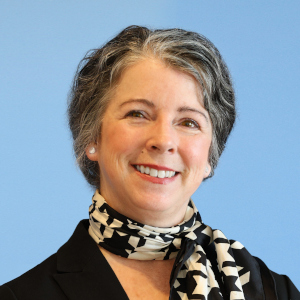
Allison DeGroff
Director, Strategic Initiatives
The American Venous Forum (AVF) and Argon Medical have announced a strategic collaboration on the CLEAR-VIEW XT clinical study, underscoring their shared commitment to advancing evidence-based care for patients with lower-extremity proximal deep vein thrombosis (DVT). The prospective, multicenter clinical investigation will evaluate the safety, procedural performance, and clinical outcomes of the Cleaner Vac® Thrombectomy System in approximately 185 patients.
The partnership brings together AVF’s leadership in venous and lymphatic research with Argon Medical’s expertise in innovative medical technologies. Together, the organizations aim to generate high-quality clinical evidence that will inform future treatment strategies and improve patient outcomes. AVF emphasized that prospective clinical research is essential to advancing standards of care, while Argon highlighted the value of collaboration in developing meaningful data to support physicians treating DVT.
The initiative reflects a shared vision of fostering scientific innovation through responsible industry-society partnerships while maintaining AVF’s commitment to independent, evidence-based research that benefits patients worldwide.
In Memoriam: Dr. Norman M. Rich – A Pioneer, Mentor, and Friend
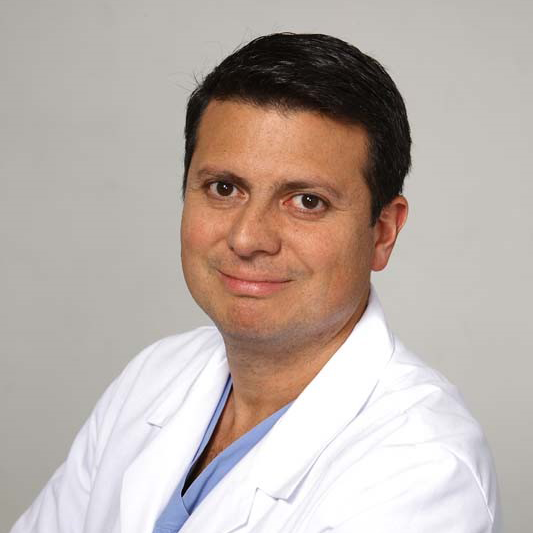
Jorge Ulloa, MD
Member, The American Venous Forum
Norman M. Rich, MD, passed away recently at the age of 92, leaving behind a legacy that forever transformed both military medicine and vascular surgery. As chief of surgery first at Fort Bragg, NC, and then during his deployment in Vietnam War, he witnessed firsthand the devastating toll of combat vascular injuries—and rather than accept the limitations of the time, he chose to document, study, and improve. The Vietnam Vascular Registry, which he established in 1966, became one of the most important clinical databases in surgical history, cataloguing more than 10,000 vascular injuries and generating insights that continue to guide surgeons in conflict zones and trauma centers around the world.
His contributions extended far beyond the operating room. As a founding faculty member of the Uniformed Services University of the Health Sciences in Bethesda, Maryland, Dr Rich helped build from the ground up an institution dedicated to training the military physicians of tomorrow. He chaired its Department of Surgery for over a decade, and in a fitting tribute to his vision, the department now bears his name. His authoritative textbook Vascular Trauma, a definitive and enduring reference in the field, stands as further testimony to a mind that never stopped teaching.
Yet what I carry closest to my heart is not the decorated colonel or the celebrated academic—it is the man. More than 25 years ago, I arrived in the United States from Colombia as a young physician, full of ambition but also carrying the quiet weight of distance and solitude. D. Rich and his wife Lois saw that, and they responded with extraordinary warmth. They welcomed me at Walter Reed and Uniformed Services University and also as a member of their family—inviting me into their home, including me in their personal and family gatherings, and making certain I never felt invisible or alone.
His trust in me went even further. He placed in my hands the physical archives of the Vietnam Vascular Registry—those dusty, irreplaceable boxes—and invited me to contribute a chapter to his landmark textbook. These were not small gestures. They were acts of genuine confidence that shaped how I saw myself as a surgeon and as a person.
He taught leadership not through authority, but through inspiration. Through the doors he opened for me in the United States, I built friendships that endure to this day with colleagues in leadership positions at distinguished institutions and organizations such as the American Venous Forum and the Society for Vascular Surgery.
Dr Rich earned the title of mentor in its fullest and rarest sense—a figure I have searched for since and rarely found.
Thank you, Prof Rich.
In Memoriam: Professor. Eberhard Rabe
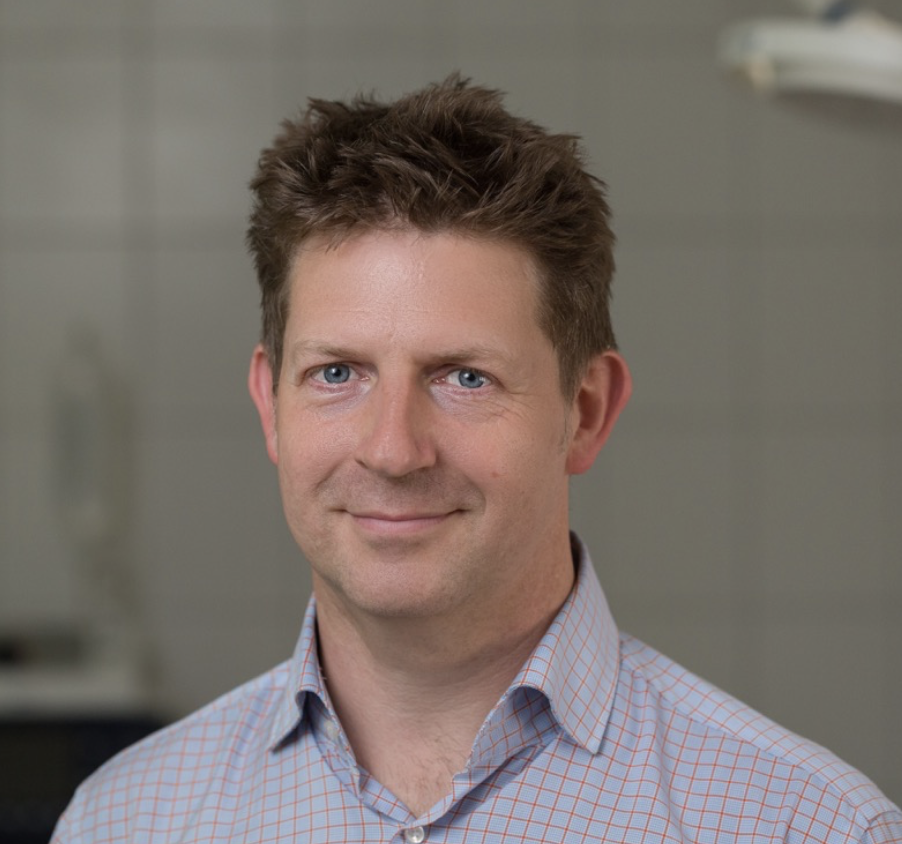
Tobias Hirsch, MD
Specialist for Internal Medicine and Angiology
The international phlebology community has lost one of its most influential figures of the past decades. It is with deep sadness that we learned of the unexpected passing of Professor. Eberhard Rabe on May 16, 2026. With his passing, we have lost not only an outstanding physician and highly respected scientist, but also an approachable and warm-hearted colleague and friend.
Eberhard Rabe was born in 1953 and grew up in Trier. He studied medicine from 1977 to 1984 at RWTH Aachen University and received his medical degree in 1984.
Even during his training as a dermatologist, he was particularly fascinated by the vascular aspect of the field, leading him to accept a position in the renowned Department of Dermatological Angiology at Essen University Hospital.
In 1988, he completed his qualifications with the thesis “Venous Diseases: A Dermatological Model of Chronic Diseases at the Intersection of Basic Experimental Research and Clinical Functional Diagnostics” and received the venia legendi. From 1988 onward, Eberhard Rabe worked at the University Dermatology Clinic in Bonn. In 2002, he was appointed professor and, until his retirement in 2018, devoted himself with great passion to the phlebological training of the next generation of physicians.
Professor Rabe had already played a key role in drafting the training regulations for the interdisciplinary, board-certified subspecialty of phlebology, which was recognized in Germany in 1992.
Starting in 1997, Eberhard Rabe served as president of the German Society for Phlebology for 15 years, which underscores the trust placed in him. Thanks to his international scientific reputation, he was also elected the 8th President of the Union Internationale de Phlébologie (UIP) in 2007. Eberhard Rabe was also an honorary member of numerous national phlebology societies, such as the American Venous Forum, the American Vein and Lymphatic Society, the European Venous Forum, the Czech Society of Phlebology, and the Mexican Society of Phlebology.
The Bonn Vein Study, which he initiated and conducted in 2002, continues to provide fundamental data on the epidemiology of venous disease to this day.
His scientific body of work also includes more than 400 publications and numerous textbooks and textbook chapters.
In addition to epidemiological research, Eberhard Rabe was always deeply committed to the further development of compression therapy, sclerotherapy, and endovenous procedures for the treatment of varicose veins.
He played a key role in the development of various national and international guidelines, including those for the treatment of varicose veins, superficial and deep vein thrombosis, compression therapy, and sclerotherapy.
Even beyond his scientific work, Eberhard Rabe was a highly educated and well-rounded colleague who, during his countless lecture and conference trips, was always appreciated as an engaged and open-minded conversationalist.
But beyond the physician and scientist, we have lost a wonderful person, and we mourn with his family.
Venous Early Career Course (VECC) Gratitude for Early Strategic Industry Supporters

Mark DeGroff
Director, Business Development
The Early Career Committee, led by chair Dr Karem Harth, with years of service and leadership from Dr Steve Elias, has been hard at work to again build a best-in-class weekend of training for fellows, physicians-in-training, APPs, and APRNs the last weekend of September in Chicago. Industry sponsorship underwrites the weekend and provides the AVF the ability to give scholarships to a large percentage of attendees, including funds for travel and hotel stay. The committee builds 3 one-hour, interactive, hands-on sessions into the 1.5-day program, as well as providing other opportunities for the attendees to mingle with industry representatives and learn about product portfolios and ask questions.
Special thanks to our 8 industry partners who have committed early and have indicated support for the event this Fall. The supporters and their activities include:
Providing a dinner speaking sponsorship and exhibiting:
- Tactile Medical
Providing a premium exhibit (two tables):
- BD
Exhibiting at the Summit (one table):
- Argon Medical
- Boston Scientific
- Medtronic
- Penumbra
- Sun Scientific
Providing in-kind ultrasound:
- Terason
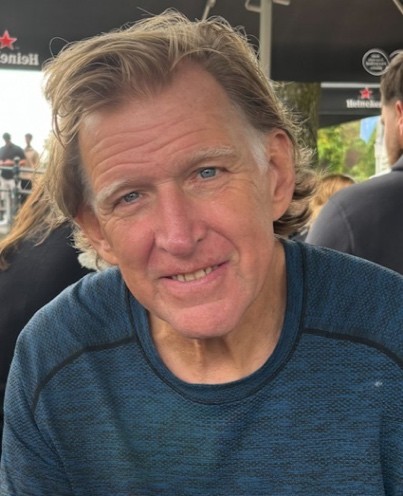
Member Spotlight: Mark Meissner, MD
AVF Membership Committee
Welcome to our new Member Spotlight, a space dedicated to celebrating the people who make the American Venous Forum such a vibrant and impactful community.
One of the greatest strengths of the AVF is its members—leaders, innovators, educators, and collaborators who are advancing venous and lymphatic care around the world. Through this series, we hope you’ll get to know the individuals behind the research, patient care, mentorship, and volunteer efforts that shape our organization.
Whether you’re a longtime member or new to the AVF, we invite you to explore these stories, celebrate your colleagues’ accomplishments, and discover the many ways our members are making a difference. We hope these highlights inspire new connections, conversations, and opportunities to engage with our growing community.
Q: How did you come to practice in the venous/lymphatic specialty?
A: I ended up primarily practicing venous disease by serendipity alone. I walked into the office of my mentor, Dr Gene Strandness on the first day of my research fellowship and he told me I would be working on an NIH- funded project regarding the natural history of deep venous thrombosis. I was a bit disappointed as I had hoped to work on a project evaluating intimal-medial thickness, but it was by far the best decision anyone ever made for me. Venous disease became my career; one that I have truly enjoyed.
Q: Who is the most memorable teacher you’ve ever had, and why?
A: I have learned something from most of my colleagues in venous disease, but among the most important were Gene Strandness, who taught me the value of mentorship; Drs Tom O’Donnell and Kevin Burnand, who instilled in me the value of scientific rigor; and Drs Alun Davies and Peter Pappas, who taught me the value of a collegial debate.
Q: How did you decide where to live and practice?
A: I matched into residency at the University of Washington in Seattle where I have spent my entire career. My department and my colleagues have been incredibly supportive of my focus on venous disease.
Q: Outside of venous practice, what other passionate interest(s) do you have?
A: Skiing of any kind — Alpine, master’s racing, cross country –as long as it involves snow and sticks on your feet, I am in.
Welcome New AVF Members!
May and June 2026
| Name | Country |
|---|---|
|
Hajara Abdul-Karim, OMS II |
United States |
|
Italo Abreu, MD |
Brazil |
|
Elizabeth Alcala Ochoa, MD |
Mexico |
|
George Behrens, MD |
United States |
|
Diana Bustamante Trujillo, MD |
Mexico |
|
Peyton Cramer, MD |
United States |
|
Benjamin Dahlberg, MD |
United States |
|
Dyda Dao, MD, MSc |
United States |
|
Kate Dell, NP |
United States |
|
Dev Dwivedi, BS |
United States |
|
Chinemere Ekezie, MD |
United States |
|
Angelica Espinosa – Hinojosa, MD |
Mexico |
|
Amber Glessner, FNP-C |
United States |
|
Estefania Gonzales, MPH |
United States |
|
Yalda Harchegani, MD |
Iran (Islamic Republic of) |
|
James Kavulich, MPH |
United States |
|
Kath Latouf, DO |
United States |
|
Dan Li, MD |
China |
|
Stanislava Matejin, MD |
United States |
|
Sean McCormack, MD |
United States |
|
Nalleli Yazmin Meneses, MD |
Mexico |
|
Zoe Miller, MD |
United States |
|
Maria Mitry, MD |
United States |
|
Marisela Neff, MD |
United States |
|
Busala Oke, MD |
United States |
|
Madeline Paquette, NP |
United States |
|
Hunaid Rana, MD |
United States |
|
Mahshad Razaghi, MD |
United States |
|
Jon Reese, MD |
United States |
|
Ammar Saati, MD |
United States |
|
Omar Shaalan, MD |
United States |
|
Pasha Shenasan, MD |
United States |
|
Gabriel Simoni, MD Candidate |
Brazil |
|
Antonia Skotsimara, MD |
Greece |
|
Elizabeth Spencer, MD |
United States |
|
Trina Steljes, MD |
Puerto Rico |
|
Diana Barbara Trueba, MD |
Mexico |
|
Tara Zielke, MD |
United States |

