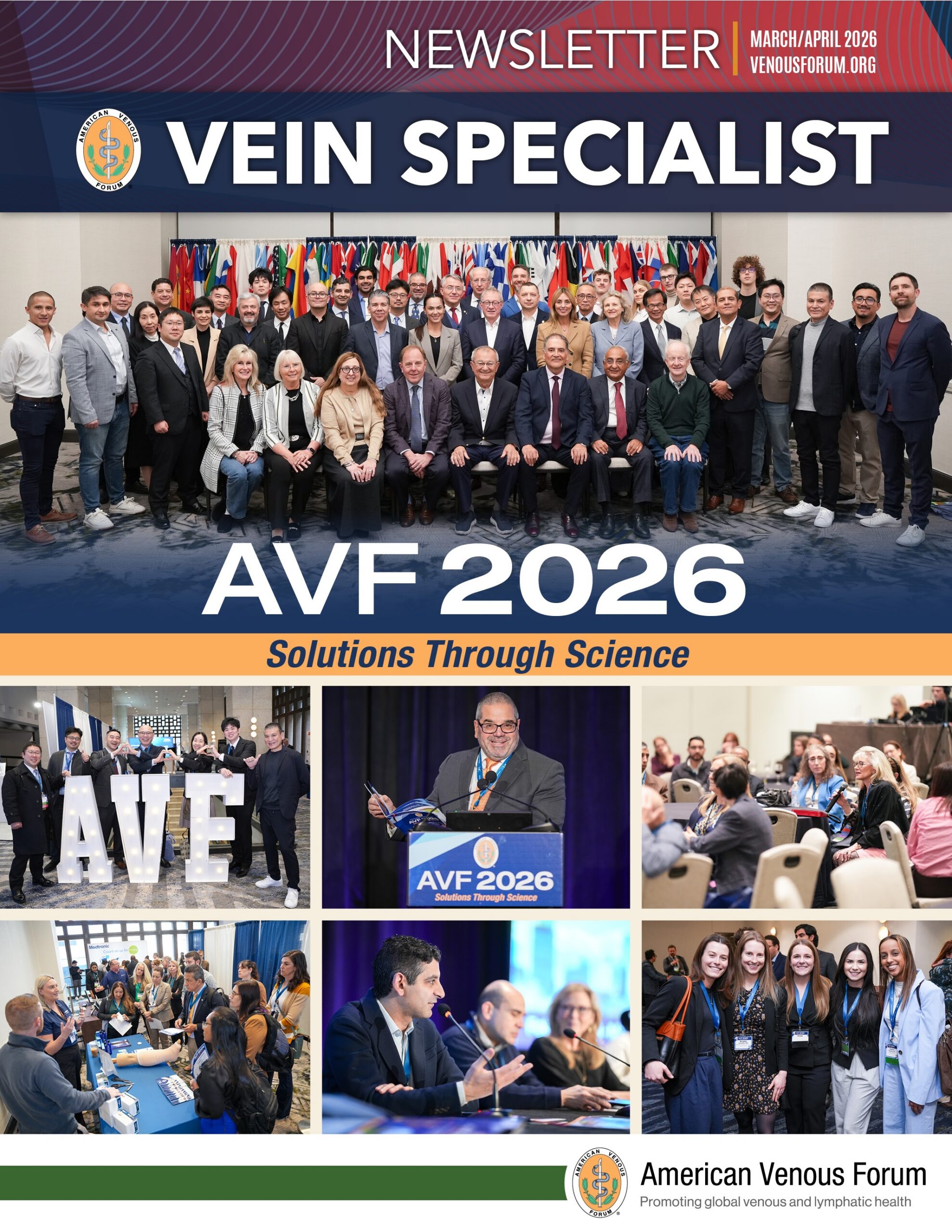
Multi-society Collaboration on Display at AVF 2026
Mikel Sadek, MD
Chair, AVF Communications Council
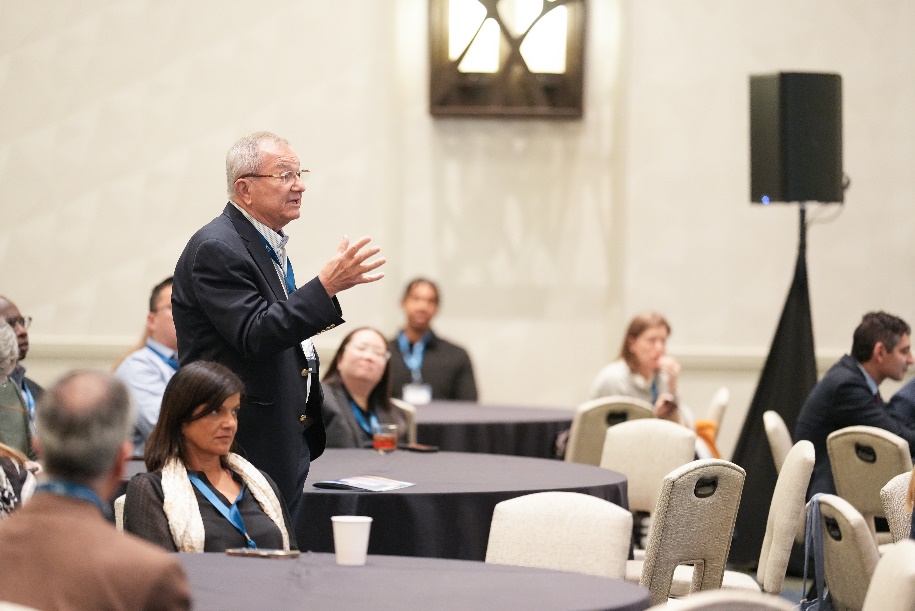
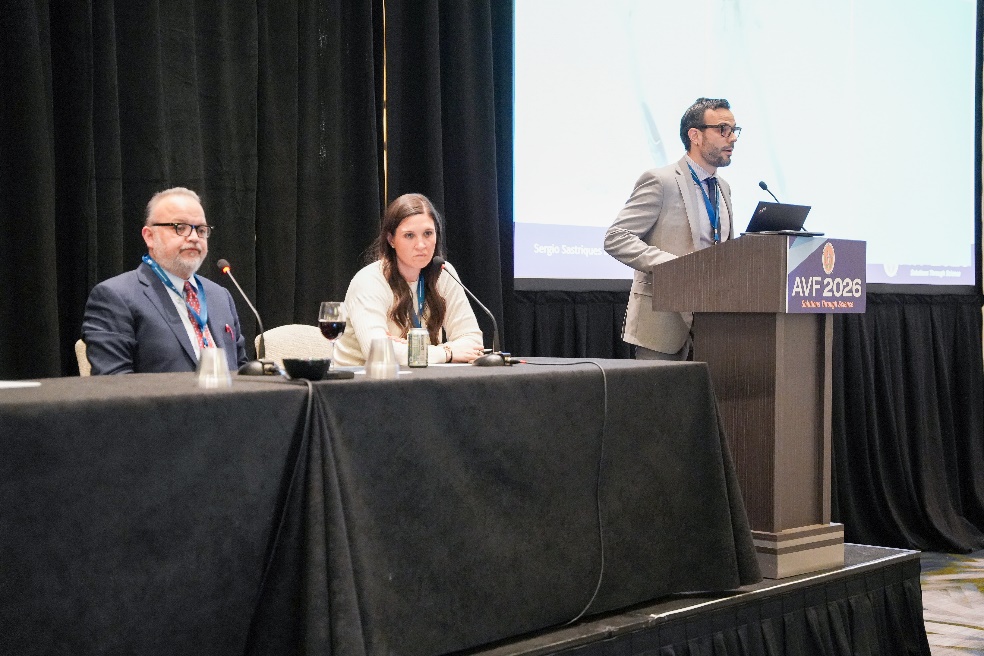
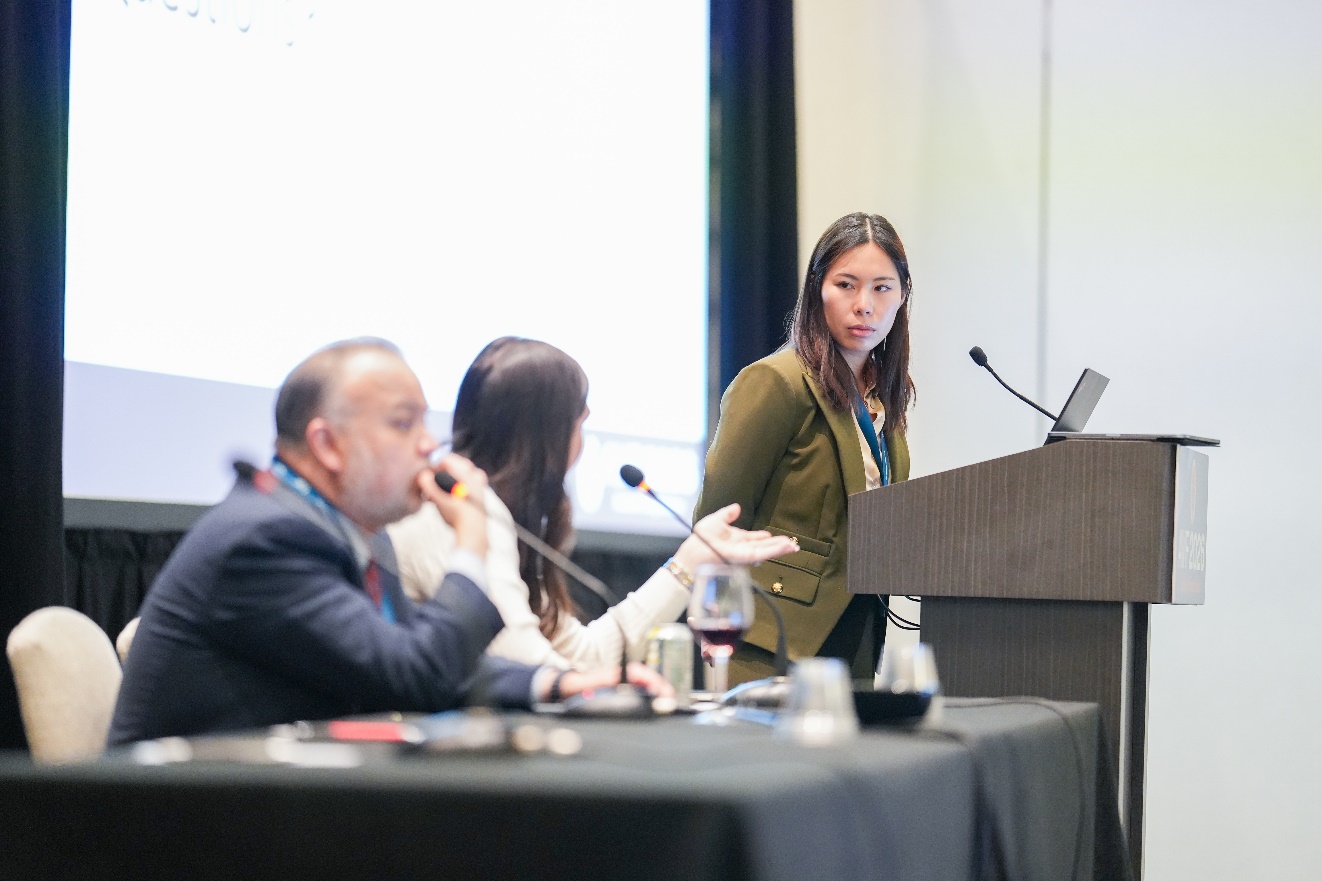
The American Venous Forum’s 2026 annual meeting was truly phenomenal, and one of the most exciting sessions for me (full disclosure: I was one of the moderators) was the multi-society collaboration session titled “Solutions Through Science and Global Perspectives with SIR, EVF, and SVM.” The energy in the room during this session was palpable. The discussions were so engaging that the moderators could hardly get a word in, and even with a full 10 minutes of discussion allocated after each section, it felt difficult to contain the audience’s enthusiasm and participation.
The presentations from each society introduced compelling data and important concepts that broadened the scope of how we think about venous disease. The European Venous Forum presentations by Dr Tomasz Urbanek and Dr Stephen Black were particularly thought-provoking. Their discussion of chronic venous disease as a potential systemic condition and the challenges surrounding over- and under-diagnosis pushed the audience to reconsider traditional frameworks for evaluating and managing venous disease. These insights represented a meaningful expansion of our typical understanding of the field.
Seeing the Society of Interventional Radiology participate in this collaborative session was also fantastic. The talks by Dr Neil Khilnani and Dr Suresh Vedantham provided an impressive look into the SIR research framework and highlighted the infrastructure needed to accelerate endovascular clinical trials. Their perspectives offered a glimpse into innovative research paradigms and emphasized the tremendous potential for interdisciplinary and inter-societal collaboration.
Finally, the Society for Vascular Medicine presentations by Dr Marc Bonaca and Dr. Gaurav Parmar raised important questions about medical management strategies, particularly regarding anticoagulation and antiplatelet therapy in patients with combined venous and arterial disease, as well as the treatment of provoked venous thromboembolism. Together, this session demonstrated how collaboration across specialties and societies can generate new ideas, challenge assumptions, and ultimately advance the care of patients with venous disease.
Where Innovation Meets Conversation: Highlights from the Case Competition & Happy Hour
Juan Carlos Jimenez MD, MBA
Member, Newsletter Committee
Blending a lively happy hour with high-level case presentations proved to be a perfect formula for engagement, learning, and community building. The relaxed atmosphere encouraged open dialogue, spontaneous questions, and thoughtful discussion, allowing trainees and seasoned experts alike to connect in a more informal setting. This format not only enhanced audience participation, but also created an environment where complex ideas could be shared more freely—making the session both educational and genuinely enjoyable. The session was moderated by me and Leigh Ann O’Banion, MD.
Award Winners Following Audience Participation Vote
🥇 1st Place: Langford Green
🥈 2nd Place: Yushi Suzuki
The evening featured an outstanding lineup of cases showcasing innovation, technical excellence, and clinical insight from across the globe.
Dr Yushi Suzuki (Keio University School of Medicine, Japan) set the tone with an elegant presentation on a minimally invasive approach to thoracic duct–venous anastomosis for refractory chylothorax. His novel technique drew praise from Dr Peter Gloviczki for its creativity and potential impact.
Dr Sergio Dunlop (Vanderbilt University) followed with a challenging case of bilateral iliocaval DVT and acute phlegmasia. Catheter-directed thrombolysis ultimately revealed inferior vena cava atresia, sparking discussion about the rare but serious risk of paraplegia due to thrombolysis in spinal collaterals.
Third-year medical student Kareem Siada (Michigan State University) impressed the audience with a novel endovascular strategy for complex IVC filter retrieval after standard techniques had failed. His approach successfully removed embolized fragments from the pulmonary artery—an effort that proved lifesaving, with completion angiography confirming excellent results.
Dr Keerthi Harish (NYU), a second-year vascular surgery resident, presented a technically demanding case of chronic venous ulceration and post-thrombotic syndrome due to central venous occlusion. A creative right-to-left venous bypass using the anterior saphenous vein, combined with endovenous inflow revascularization, resulted in a remarkable clinical outcome.
Dr Gillian Lee (Massachusetts General Hospital), a Venous and Lymphatic Medicine Fellow, shared a fascinating case of delayed granuloma formation following cyanoacrylate closure of the great saphenous vein. The case highlighted a foreign body giant cell reaction with Type IV hypersensitivity—an important reminder of delayed complications in venous interventions.
The evening’s top award winner, Dr Langford Green (University of Maryland), delivered a compelling presentation on siblings with symptomatic Nutcracker syndrome. His clear explanation of the underlying anatomy and pathophysiology, combined with successful renal autotransplantation outcomes, prompted engaging discussion—particularly around the possibility of genetic predisposition, raised by Dr Ruth Bush.
Dr Tanzina Afroze (University of Virginia), a Vascular Medicine Fellow, guided the audience through a nuanced case of venous thoracic outlet syndrome in a patient with malignancy. Her key takeaway—that alternative diagnoses must be considered in patients with arm swelling despite presumed lymphedema—resonated strongly with the audience.
Associate Consultant Dexter Chan (Queen Mary Hospital, Hong Kong) delivered a technical masterclass, demonstrating a step-wise approach to retrieving a thrombosed IVC filter using the ClotTriever® device as an embolic protection strategy. His innovative internal jugular approach minimized embolic risk and showcased true procedural expertise.
Closing the session, second-year medical student Ankita Katukota (University of Florida) presented an impressive case of acute superior vena cava syndrome managed with double-barreled venous stenting. With durable symptom relief at 3 years, the case highlighted both technical ingenuity and long-term success.
Takeaway: This session perfectly captured the spirit of collaborative learning—where cutting-edge science meets collegial conversation. By pairing high-quality case presentations with a relaxed, social setting, the evening not only showcased exceptional clinical work but also strengthened the connections that drive our field forward.
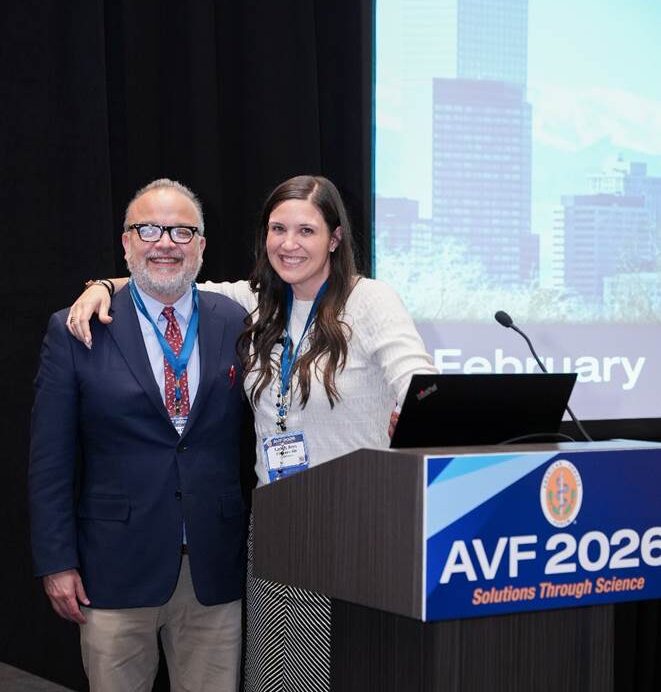
Session moderators Dr Juan Carlos Jimenez and Dr Leigh Ann O’Banion.

Poster Session at AVF 2026 Showcases Scientific Excellence — and a Successful New Format
Sheila Blumberg, MD
Member, Newsletter Committee
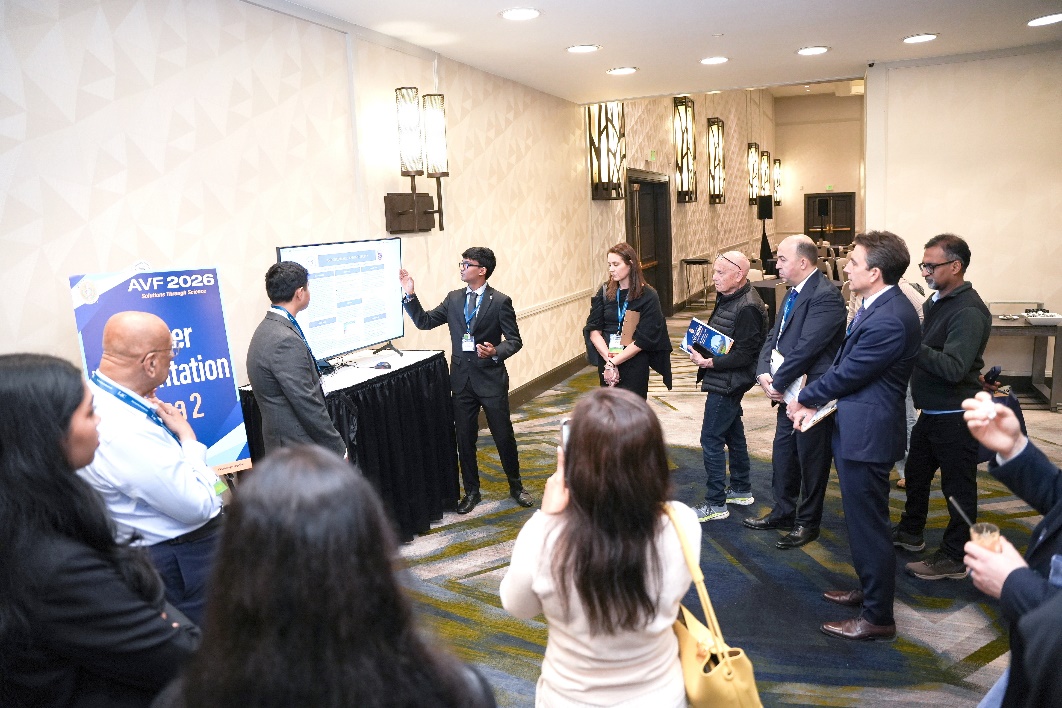
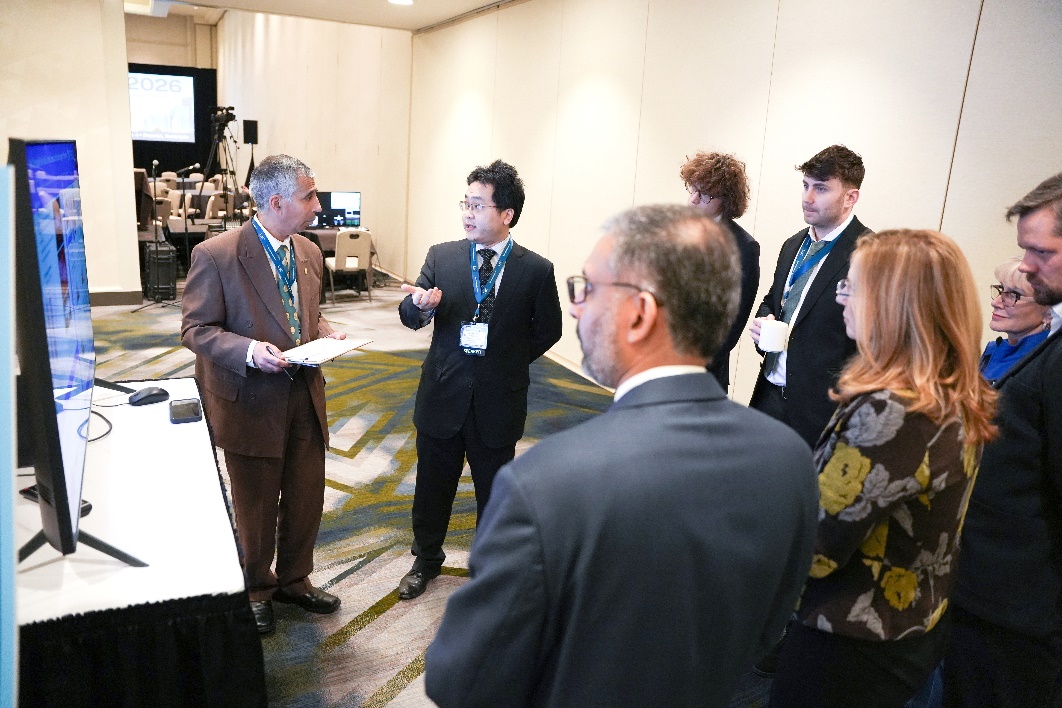
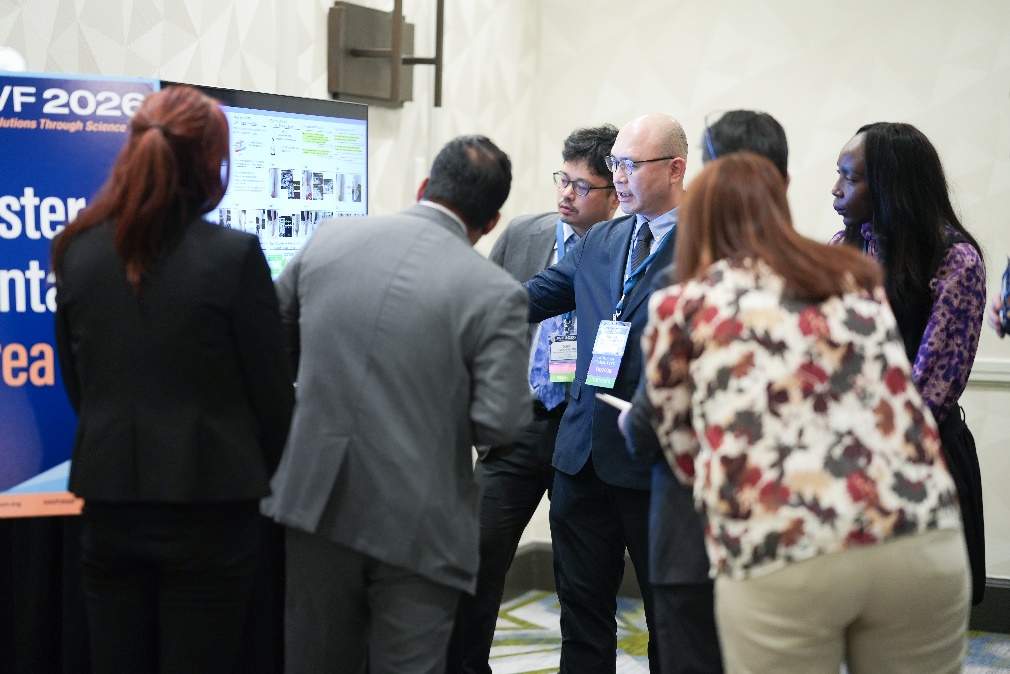
The poster session at the AVF 2026 once again proved to be one of the most dynamic components of the annual meeting. This session reflected the remarkable breadth of contemporary venous science — spanning compression syndromes, DVT and PE testing and management, novel technologies and beyond.
A Digital Debut That Delivered
The most talked-about development this year was the transition to a fully digital poster format — a change that was a resounding success. Rather than traditional printed boards, presenters showcased their work through digital displays that allowed for richer visuals and more dynamic engagement with attendees. The response from both presenters and attendees was overwhelmingly positive, and for early-career investigators (even high-schoolers!), the format leveled the playing field and put the focus squarely on the science.
A High-Quality Field
Judges noted the consistently high quality of submissions, covering cutting-edge interventional strategies for DVT and pulmonary embolism, advances in thrombectomy and stenting, novel approaches to chronic venous ulcers, and more — making competition for top honors especially fierce this year.
And the Winners Are . . .
First Place went to Kerry Pullano and Stephanie Paz for their Meta-Analysis of VA-ECMO for Treatment of Acute, Massive Pulmonary Embolism — _a timely and rigorous synthesis of evidence surrounding mechanical circulatory support in hemodynamically devastating PE presentations.
Second Place was awarded to Vritika Ravisangar for Exploring the Link Between Chronic Venous Disease and Neuropathy: A Systematic Review — _an original and thorough investigation into an underexplored relationship that may prompt clinicians to approach CVD patients more holistically.
Congratulations to all presenters and this year’s winners for their outstanding contributions.
The Venous CommUNITY Committee (VCC) Session at the AVF 2026
Karem Harth, MD
Past Chair, Venous CommUNITY Committee
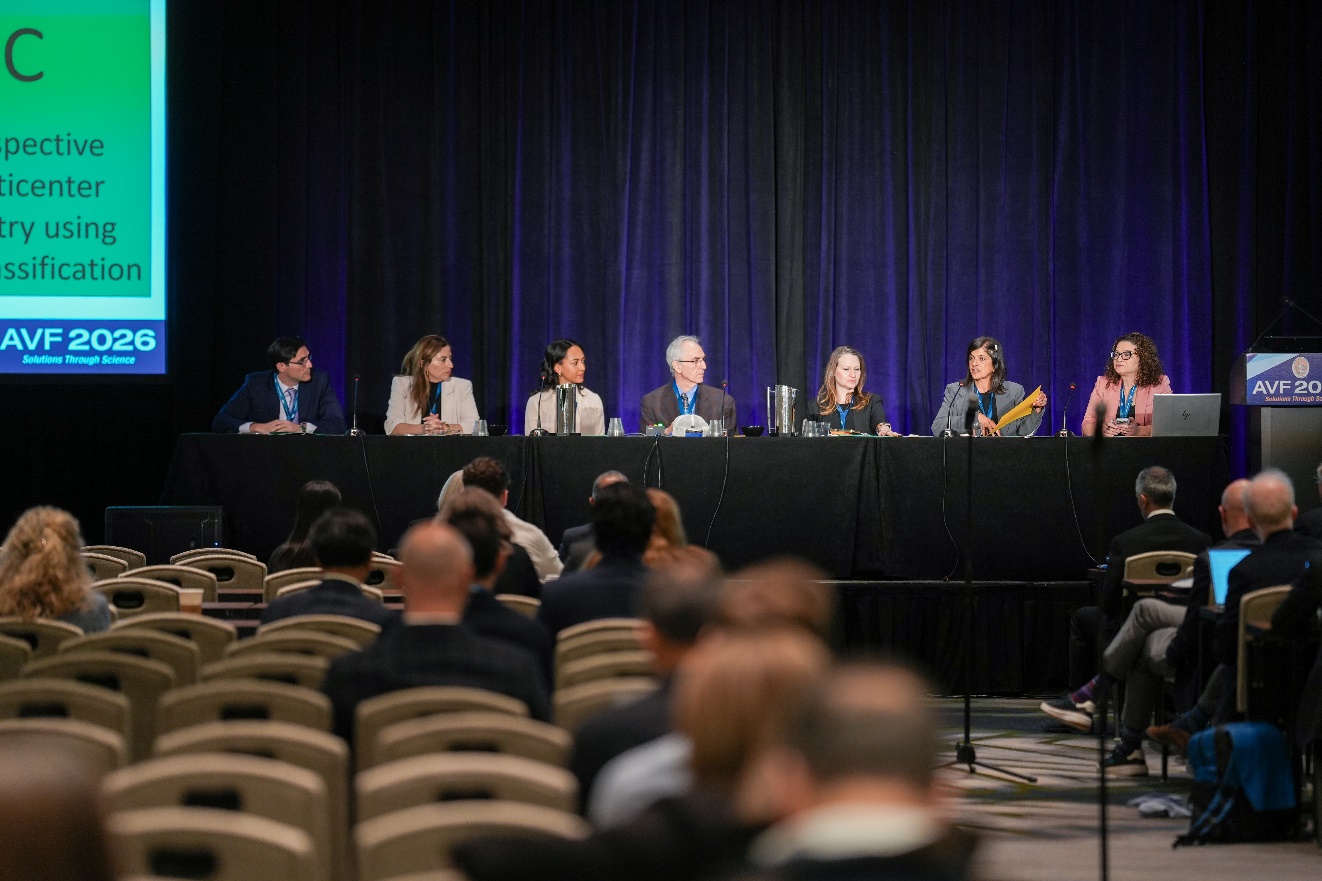
I was honored to lead the VCC session at the AVF 2026 highlighting the theme of “Opportunities in Venous Research and Delivery of Venous Care”. Through a round-table discussion format led by relevant case scenarios for context, we were able to explore two very important topics with a diverse group of engaged expert panelists and provided much “food for thought” to our audience. We additionally extended this engagement to our audience whom participated in voting on potential research priorities.
In our first session moderated by Dr. Sachdev, we discussed a case of a patient with pelvic venous disease and the challenges of research versus real world populations. We received insight from our experts on the following: advocacy in the face of denials (Dr. Judelson); how to engage in meaningful research (Dr. Pappas); balancing patient diversity in the face of RCT populations (Dr. Salazaar); research designs that consider vulnerable populations (Dr. Bowie); societal role in contributing to the diversity of our research (Dr. Suarez). Three areas of potential research priorities were voted on by our panelists and audience members and the top two areas receiving the most votes included the need for: 1) patient reported outcome measures for patients with pelvic venous disorders that have clinically meaningful improvement outcomes followed by 2) prospective multicenter registry using the SVP classification.
Our second session moderated by Dr. Kiguchi, we presented the case of a venous ulcer patient living in a rural area and discussed opportunities for bridging the rural and urban gap in venous care. We heard perspectives from our experts on the following topics: geographic vs provider drivers leading to underserved status (Dr. Madabhushi); empowering providers vs patients with venous knowledge in rural areas (Dr. Hingorani); levering your health system to increase opportunities for access to venous care (Dr. McLafferty); what personal lessons can be taken away from doing health equity venous research (Dr. Hart); societal role in improving research diversity to capture urban vs rural needs (Dr. Ozsvath). Three areas of potential research priorities were voted on by our panelists and audience members, and the overwhelming majority of votes went to prioritizing the creation of referral pathways and care delivery models.
The VCC committee looks forward to taking inspiration from this session to further our efforts in developing “Opportunities in Venous Research and Delivery of Venous Care.”
Lymphedema a Focus at AVF 2026
Anil Hingorani, MD
Chair, Venous CommUNITY Committee
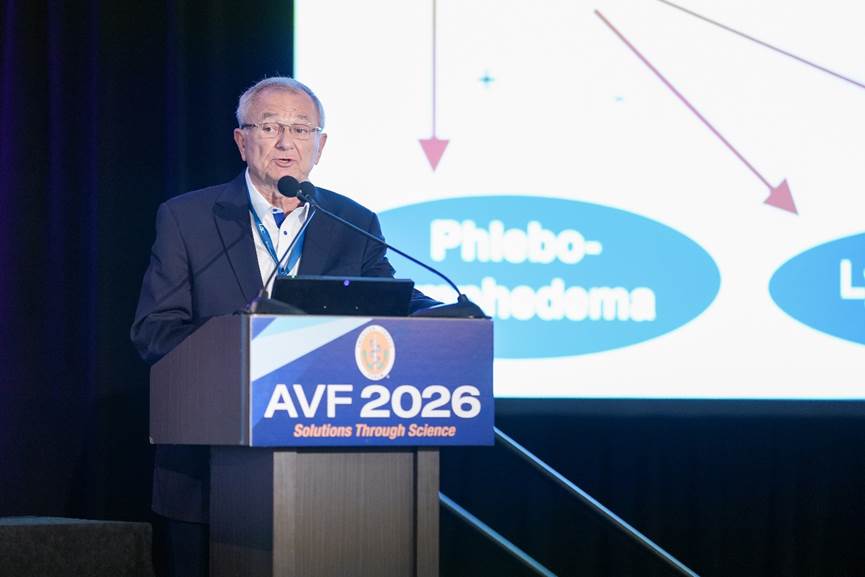
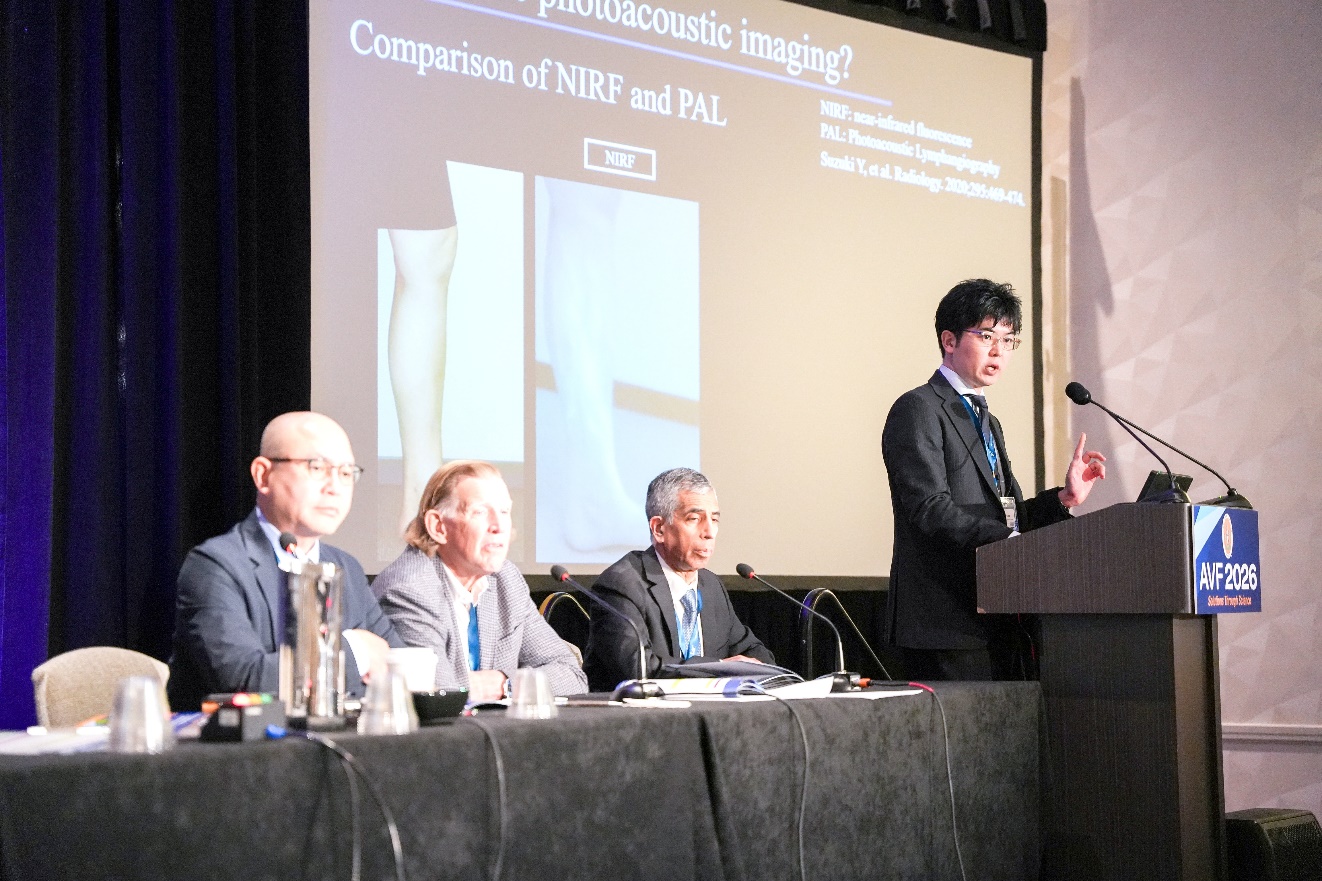
On Monday March 24, 2026, at 2 PM, AVF 2026 held a session specifically focused on lymphedema. This session covered the most recent data for diagnosis and treatment of patients with lower- and upper-extremity lymphedema. The specific topics included the use of MR lymphography; photoacoustic imaging; contrast- enhanced ultrasound; quality of life measures for these patients; liposuction; and lymphaticovenous anastamosis.
The session was notable for the global viewpoints offered by the speakers from multiple disciplines. The final talk was an invited discussion from Peter Gloviczki, MD, exploring the use of lymphoscintigraphy in the diagnosis of lymphedema. This session focused on the science of treating lymphedema patients and fit perfectly with the overall theme of AVF2026, “Solutions through Science.” This premier session focused on evidence-based, practice-focused clinical education for professionals in lymphatic disease and reinforced the dedication of the society to being a leader in lymphatic disease. It was truly a comprehensive and thought-provoking session.