
Vein Specialist
2026September/October
The New Frontier: Expanding Horizons of PE Management in 2026

Beyond the Clot: Expanding How We Evaluate Success in PE Care

James F. Benenati, MD, FSIR
Chief Medical Officer, Penumbra
Pulmonary embolism (PE) treatment has undergone a remarkable evolution. Advances in catheter-based therapies have expanded the options for patients with intermediate- and high-risk PE, offering the potential for rapid thrombus removal and hemodynamic improvement.
Yet despite growing adoption of these technologies, randomized evidence demonstrating their impact on patient outcomes has remained limited. That evidence base is now beginning to emerge, expanding the discussion to include patient-centered outcomes and functional measures.
Pulmonary embolism research has traditionally focused on acute outcomes: survival, hemodynamic stabilization, right ventricular recovery, and freedom from major adverse events. The recent STORM-PE randomized controlled trial adds important evidence to that foundation, demonstrating superior reduction in right heart strain with computer-assisted vacuum thrombectomy (CAVT) plus anticoagulation compared with anticoagulation alone in patients with intermediate-high risk PE.*
Beyond its primary endpoint, STORM-PE provides insight into several additional clinical and functional outcome measures. In addition to the primary endpoint of superior improvement in RV/LV ratio, patients treated with CAVT demonstrated greater thrombus burden reduction, lower heart rates, reduced oxygen requirements, and a lower NEWS2 risk of clinical deterioration at 48 hours.
Notably, these early physiologic improvements were associated with differences in functional outcomes at 90 days. CAVT-treated patients returned to a PVFS distribution comparable to their self-reported pre-PE functional status at 90 days, whereas patients receiving anticoagulation alone did not recover to their pre-PE baseline. At 90 days CAVT-treated patients also walked significantly farther on the 6-minute walk test (479m vs 368m, P=0.003). By three months, patients in the CAVT arm achieved 94.0% of their predicted walking distance compared with 75.2% among those treated with anticoagulation alone.
These findings highlight an important evolution in how we think about success in PE care. Acute endpoints remain critical, but recovery from PE often extends well beyond hospital discharge. The field must examine whether improvements in acute physiology translate into durable functional recovery.
The next phase of PE research should focus not only on clinical and imaging endpoints, but also on understanding patient-centered outcomes. STORM-PE is notable for reporting both acute physiologic outcomes and functional outcome measures assessed at 90 days. Importantly, STORM-PE is not alone; more PE trials are incorporating functional status and other measures alongside traditional clinical endpoints.
The challenge for physicians is no longer simply helping patients survive the acute event, but supporting functional recovery following PE. The evidence base must evolve accordingly.
Important Safety Information
Additional information about Penumbra’s products can be located on Penumbra’s website at https://www.penumbrainc.com/products/peripheral-thrombectomy-cavt/. The clinical results presented herein are for informational purposes only and may not be predictive for all patients. Individual results may vary depending on patient-specific attributes and other factors. Caution: Federal (USA) law restrictions these devices to sale by or on the order of a physician. Prior to use, please refer to the Instructions for Use (IFU) for complete product indications, contraindications, warnings, precautions, potential adverse events, and detailed instructions for use. For the complete Penumbra IFU Risk Summary Statements, visit: peninc.info/risk. Please contact your local Penumbra representative for more information.
*STORM-PE was not powered to detect differences in safety.
References:
1. Lookstein R, Konstantinides SV, Weinberg I, et al. Randomized controlled trial of mechanical thrombectomy with anticoagulation versus anticoagulation alone for acute intermediate-high risk pulmonary embolism: primary outcomes from the STORM-PE trial. CIRCULATION. 2025; [Published online ahead of print]. doi:10.1161/CIRCULATIONAHA.125.077232.
2. Presented by Rosovsky, R. Randomized controlled trial of mechanical thrombectomy with anticoagulation versus anticoagulation alone for acute intermediate-high risk PE: primary outcome, functional endpoints, and core lab findings from STORM-PE. Presented at: VIVA (Vascular InterVentional Advances) 2025; November 3, 2025; Las Vegas, NV, USA
3. Presented by Lookstein R, on behalf of the STORM-PE Investigators. Randomized controlled trial of mechanical thrombectomy with anticoagulation versus anticoagulation alone for acute intermediate-high risk pulmonary embolism: 90-day functional outcomes from the STORM-PE trial. Presented at: Society of Interventional Radiology Annual Scientific Meeting; April 13, 2026; Vancouver, British Columbia, Canada.
Identifying the More Vulnerable Patient in Acute Pulmonary Embolism

Robert Attaran, MD
Member, AVF Newsletter Committee
Associate Professor Cardiovascular Medicine, Yale University
The presentation of pulmonary embolism (PE) ranges from an incidental finding on imaging to sudden cardiac arrest. The most critical stage is within the first 72 hours, particularly the first 24 hours. Because outcomes vary so widely, the 2026 AHA/ACC/ACCP/ACEP/CHEST/SCAI/SHM guidelines on acute PE introduce a five-tier clinical classification, A through E, designed to match risk assessment with management. 1
Category B patients are symptomatic, but do not possess high risk criteria (eg, simplified pulmonary embolism severity index [sPESI] is 0 and the right ventricle [RV] is not enlarged). Category C patients possess high risk criteria (eg, sPESI ⩾ 1, elevated troponin or B-type natriuretic peptitde (BNP), RV enlargement, need for supplementary oxygen). Category D patients (those with incipient cardiac failure) may demonstrate normotensive shock or transient hypotension. Category D patients may have signs of end-organ damage such as acute kidney injury or lactic acidosis.
The 2026 Guidelines recommend the following for class C or greater PE: measurement of 1 or more biomarker, lactate, RV size and function, and PERT team assessment. Category D patients must be evaluated for normotensive shock (eg, via right heart catheterization).
While the PESI, sPESI, and Hestia risk scores can identify low-risk patients (ie, those who can be discharged), they do not perform well in predicting clinical deterioration. PE risk scores, of which there are several, were developed based on characteristics and factors measured at diagnosis or presentation. Scores such as those based on vital signs allow for them to be repeated over time. The NEWS (National Early Warning Score), NEWS2, Bova, and composite pulmonary embolism shock (CPES) scores can be utilized to estimate the likelihood of normotensive shock and higher-at-risk patients.
An elevated serum lactate level is associated with 5-fold greater mortality risk even in normotensive PE patients. This makes checking serial serum lactate levels a simple tool. A mean arterial pressure of < 80mmHg is also a higher risk finding and may be used for following at-risk patients. Another tool may be urine output monitoring. Last but not least, the PERT team may also participate in longitudinal follow-up.
References:
1. Creager MA, et al. 2026 AHA/ACC/ACCP/ACEP/CHEST/SCAI/SHM/SIR/SVM/SVN Guideline for the Evaluation and Management of Acute Pulmonary Embolism in Adults: A Report of the American College of Cardiology/American Heart Association Joint Committee on Clinical Practice Guidelines. Circulation. 2026 Mar 24;153(12):e977-e1051.. Erratum in: Circulation. 2026 Jul 14;154(2):e24
HI-PEITHO: A Landmark Randomized Controlled Trial of Ultrasound-Facilitated Catheter-Directed Thrombolysis with EKOSTM plus Anticoagulation Versus Anticoagulation Alone

Keith Sterling, MD
Senior Medical Director, Vascular Therapies
Boston Scientific Corporation
Patients with severe acute pulmonary embolism (PE) may display a range of clinical characteristics contributing to risk of early decompensation or death. Anticoagulation remains the standard of care for all patients with acute PE, with additional catheter-based options available for patients at higher risk.(1)
The benefit of catheter-based reperfusion with ultrasound-assisted catheter-directed thrombolysis (EKOSTM Endovascular System, Boston Scientific) with anticoagulation over anticoagulation alone has now been demonstrated in the randomized HI-PEITHO trial.(2) Prior to HI-PEITHO, systemic fibrinolysis had shown efficacy in preventing hemodynamic collapse but with increased major bleeding risk (3) and direct comparisons between catheter-directed therapy and anticoagulation alone were lacking.
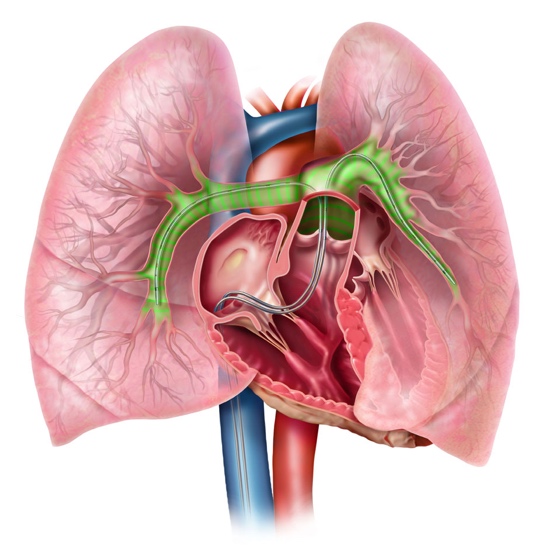
The EKOS system employs high frequency, low power ultrasound energy to facilitate catheter-directed infusion of thrombolytic agents to the pulmonary vasculature. The adjunctive ultrasound energy may allow for lower dose and duration of fibrinolytic infusion to reduce clot burden and improve right ventricular function.(4)
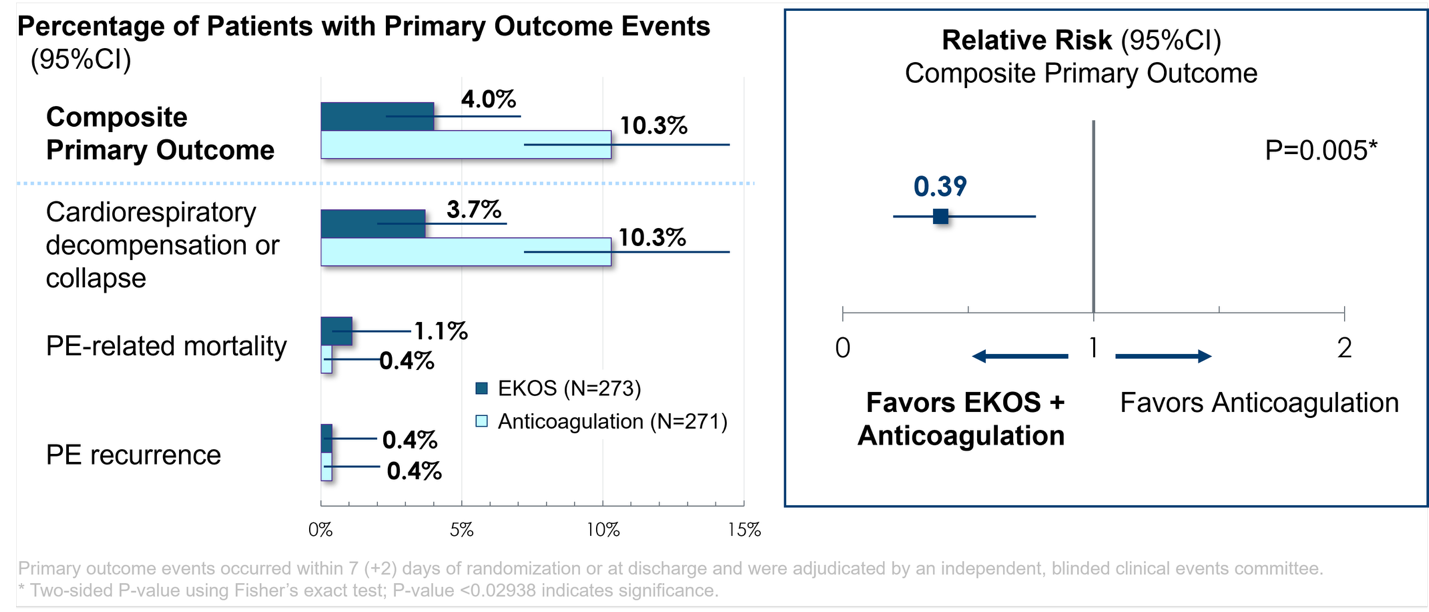
The randomized HI-PEITHO study was designed to compare incidence of the composite of PE-related mortality, cardiorespiratory decompensation or collapse, and symptomatic PE recurrence within 7 days of randomization.(2) National Early Warning Score (NEWS) was included in the criteria for assessing decompensation to allow for objective monitoring and documentation of vital status prior to escalating treatment.
This multicenter (59 sites), multinational (9 countries) study enrolled 544 patients who had intermediate risk PE and additional indicators of cardiorespiratory distress. Results showed that patients who received treatment with EKOS plus anticoagulation had a lower risk of the composite endpoint events than patients who received anticoagulation alone. Importantly, no significant difference was observed between treatment groups in the incidence of major bleeding, and no intracranial hemorrhage occurred within 30 days.
HI-PEITHO is the first randomized controlled trial evaluating clinically meaningful endpoints in patients with acute pulmonary embolism who underwent catheter-based intervention. The results provide high-caliber evidence supporting the use of EKOS for reducing decompensation risk without increasing major bleeding risk for patients with acute intermediate risk PE.
References
1. Creager MA, et al. 2026 AHA/ACC/ACCP/ACEP/CHEST/SCAI/SHM/SIR/SVN Guideline for the Evaluation and Management of Acute Pulmonary Embolism in Adults. J Am Coll Cardiol 2026. doi:10.1016/j.jacc.2025.11.005
2. Rosenfield K, Klok FA, Piazza G, et al. Ultrasound-Facilitated, Catheter-Directed Fibrinolysis for Acute Pulmonary Embolism. N Engl J Med. 2026;394(20):1979-1990. doi:10.1056/NEJMoa2516567
3. Meyer G, Vicaut E, Danays T, et al. Fibrinolysis for patients with intermediate-risk pulmonary embolism. N Engl J Med. 2014;370(15):1402-1411. doi:10.1056/NEJMoa1302097
4. Tapson VF, Sterling K, Jones N, et al. A Randomized Trial of the Optimum Duration of Acoustic Pulse Thrombolysis Procedure in Acute Intermediate-Risk Pulmonary Embolism: The OPTALYSE PE Trial. JACC Cardiovasc Interv. 2018;11(14):1401-1410. doi:10.1016/j.jcin.2018.04.008
Current Technologies for the Treatment of Pulmonary Embolism

Adam Reichard, MD, MS, RPVI
Bethesda North Hospital, Trihealth
Cincinnati, Ohio
Co-Director of the Trihealth Heart and Vascular Comprehensive Aortic Center
Associate Program Director of the Integrated Vascular Surgery Residency and Vascular Surgery Fellowship
Pulmonary embolism (PE) occurs when a blood clot obstructs the pulmonary arteries, increasing right-sided heart pressures and potentially leading to cardiogenic shock with subsequent hemodynamic collapse. Current treatment is guided by risk stratification: low-risk patients usually need anticoagulation alone, while intermediate- and high-risk patients may require advanced endovascular reperfusion therapies when right ventricular strain or hemodynamic instability is present.
Anticoagulation remains the foundation of PE treatment. Mechanical thrombectomy is one of the fastest growing technologies for the treatment of patients with intermediate-high and high-risk PE. Medium- to large-bore aspiration thrombectomy catheters can evacuate thrombus without the need for thrombolytic drugs and their associated bleeding risk. Currently, the FDA has approved multiple thrombolytics catheters for the treatment of pulmonary embolism including the Boston Scientific EKOS™ (ultrasound-assisted) catheter, Thrombolex’s Bashir™ catheter, and Angiodynamics’ Uni-Fuse™ infusion catheter. This article will focus on mechanical thrombectomy devices.
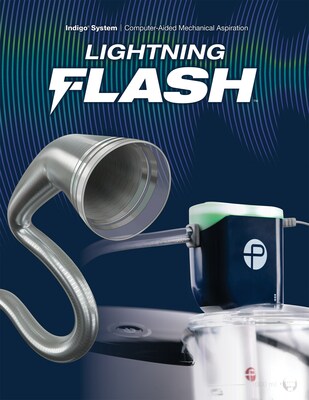
The FDA has approved 6 pulmonary embolism thrombectomy catheters. Current catheters include the Penumbra 16 French Lightning Flash™ computer-aided vacuum thrombectomy system; Inari Medical 16/20/24 French Flowtriever™ catheter; Angiodynamics 18 and 22 French AlphaVac™ aspiration catheter; Inquis Medical 24 French Aventus™ thrombectomy system, Medtronic 12 French Liberant™ thrombectomy system; and ImperativeCare™ 24 French Symphony™ thrombectomy system. Both Inari Medical and Inquis Medical have FDA-approved blood return systems that allow for the return of aspirated blood.
The Penumbra Lighting Flash catheter utilizes smart clot detection by utilizing a dual-clot detection algorithm, which is pressure= and flow-based, to mitigate blood loss. The Medtronic Liberant thrombectomy system uses a blood conservation unit that features an ultrasonic sensor that measures blood flow. An intelligent algorithm then adapts the pulse rate to mitigate blood loss. The Inari Flowtriever and Angiodynamics Alphavac catheters rely on manual aspiration. The Inquis Medical Aventus thrombectomy catheter is also a manual aspiration catheter, but also uses TrueClot™ sensing, so the proceduralist knows when the catheter is engaging thrombus, allowing for a more efficient thrombectomy procedure. The Imperative Care Symphony Catheter has precise deep vacuum control, allowing for quick and precise clot reduction.
The above systems have been shown to be safe and efficacious and can quickly reduce clot burden, pulmonary artery pressure, and right ventricular strain, although outcomes depend on patient selection, operator experience, and institutional resources. Overall, modern PE care increasingly uses multidisciplinary Pulmonary Embolism Response Teams (PERT) to match treatment intensity to risk, bleeding profile, clot burden, and available technology.
| Device | Pivotal Approval Trial | FDA Clearance Date |
|---|---|---|
| Inari FlowTriever | FLARE | 2018 |
| Penumbra Indigo/Lightning | EXTRACT-PE | 2020 |
| AngioDynamics AlphaVac | APEX-AV | April 2024 |
| Inquis Aventus | AVENTUS | June 2025 |
| Imperative Care Symphony | Symphony-PE | September 2025 |
Note: The Medtronic Liberant thrombectomy system received FDA clearance without a pre-market approval clinical trial, Medtronic did initiate a post-launch clinical survey.
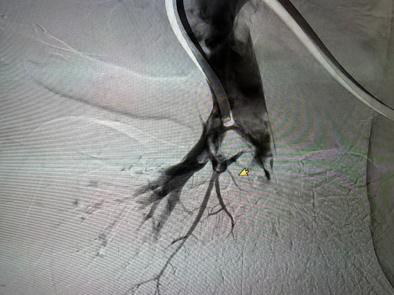
Figure 1: Right- sided pulmonary angiogram pre-thrombectomy with the Penumbra Lightning Flash CAVT system.
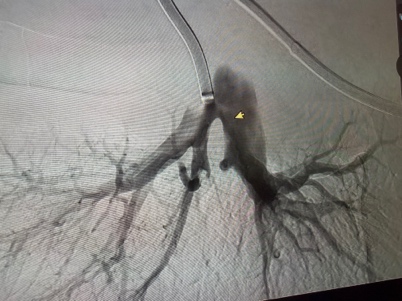
Figure 2: Post-thrombectomy pulmonary angiogram.

Figure 3: Thrombus retrieved.
New Trials and Recent Evidence on PE Management

Patrick E. Muck, MD, RVT, FACS
Chief of Vascular Surgery
Program Director Vascular Fellowship & Integrated Residency
Good Samaritan Hospital, Cincinnati, OH
The last 2 years have turned PE from an anticoagulation-first field with sparse randomized data into one of the most active areas in cardiovascular medicine. Between 2024 and mid-2026, the first large, randomized trials of catheter-directed therapy for PE were completed. Until 2024, no adequately powered randomized trial had shown that catheter-based reperfusion improved clinical outcomes over anticoagulation alone.
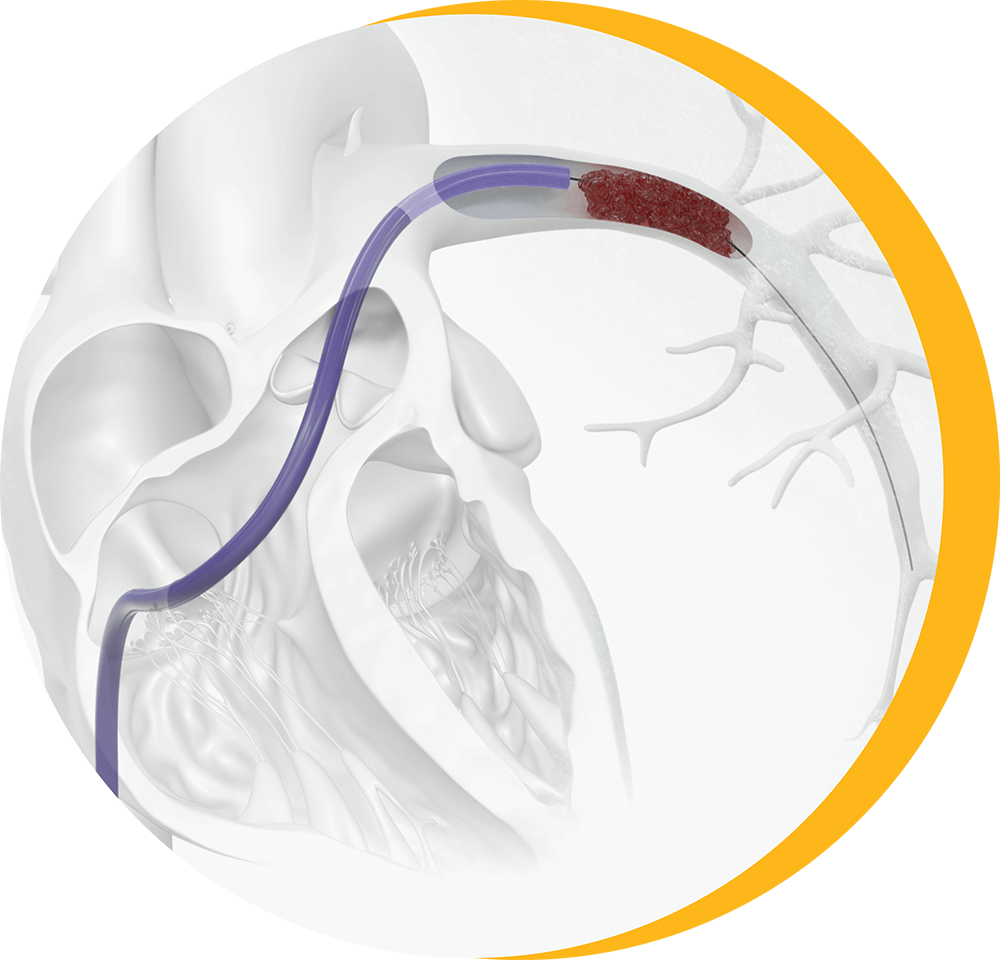
PEERLESS, published in Circulation in 2024, compared large-bore mechanical thrombectomy with the FlowTriever™ system to catheter-directed thrombolysis in 550 patients with intermediate-risk PE. Mortality and major bleeding were similar (bleeding 6.9% in both arms; 30-day death 0.4% versus 0.8%). Hospital stay was shorter and 30-day readmissions were fewer with thrombectomy.
STORM-PE, reported in Circulation in November 2025, was the first published randomized controlled trial of catheter-directed therapy versus traditional medical therapy. Intermediate high-risk PE patients were randomized to computer-assisted vacuum thrombectomy (Penumbra’s Indigo® system) plus anticoagulation versus anticoagulation alone. At 48 hours, mean RV/LV ratio reduction was 0.52 with thrombectomy versus 0.24 with anticoagulation alone. Vital signs normalized earlier; major adverse event rates were comparable. STORM-PE supports CAVT for intermediate high-risk PE patients.
HI-PEITHO, published in the New England Journal of Medicine in March 2026 is the first large RCT of catheter-directed therapy versus anticoagulation alone with a clinical primary endpoint. Investigators enrolled 544 patients with intermediate-risk PE (RV/LV ratio ≥1.0 and elevated troponin) who also had at least 2 markers of cardiorespiratory distress. Ultrasound-facilitated catheter-directed fibrinolysis with the EKOS™ system plus anticoagulation reduced the 7-day composite of PE-related death, cardiorespiratory decompensation or collapse, or symptomatic recurrence. Major bleeding at 7 days was 4.1% versus 2.2%; no intracranial hemorrhages occurred in either arm. Death, recurrent PE, and 30-day walk distance did not differ significantly. HI-PEITHO supports catheter-directed fibrinolysis in an enriched intermediate-risk population.
Taken together, these trials support a more interventional posture for selected intermediate high-risk patients, especially those with vital-sign abnormalities in addition to RV strain. Several trials are on the horizon and will matter as much as those already reported. PEITHO-3, PE-TRACT and PEERLESS II will provide further insight in 2026 & 2027. The golden age of PE trials is finally upon us!
Stryker/Inari PEERLESS Trial
Stryker/Inari FlowTriever Device
Penumbra’s STORM-PE Trial
Penumbra’s CAVT device – FLASH
Boston Scientific’s HI-PEITHO Trial
Boston Scientific’s EKOS device for PE therapy
