Vein Specialist
2026The Great Masquerader
When Things Aren’t What They Seem
Advancing Care for Pelvic Venous Disorders
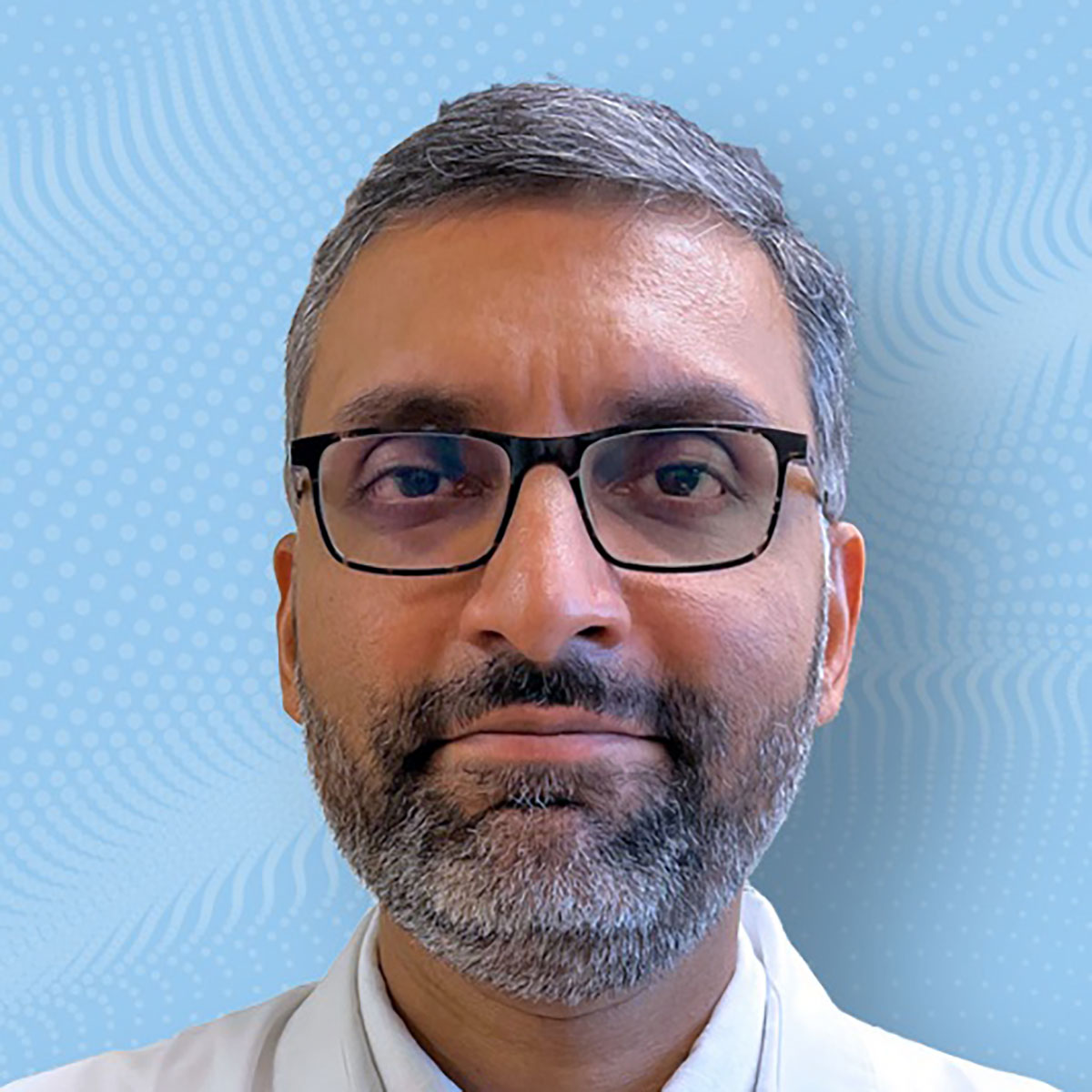
Arjun Jayaraj, MD
Co-chair, Summit Planning Committee
John White, MD
Co-chair, Summit Planning Committee
The American Venous Forum (AVF) will host its inaugural Pelvic Venous Disorders (PeVD) Summit on June 27–28, 2026, at the Westin O’Hare in Chicago, Illinois. (Summer weather in Chicago is beautiful!) This first-of-its-kind national meeting is dedicated to advancing the diagnosis, management, and understanding of pelvic venous disease—an under-recognized and frequently misdiagnosed cause of chronic pelvic pain.
Nearly 10 million women in the United States experience chronic pelvic pain, and more than 6 million cases are attributable to pelvic venous disease. Despite repeated efforts to seek care, many patients undergo ineffective testing and treatment, resulting in more than $1 billion in avoidable healthcare costs annually. The PeVD Summit addresses this significant public health and health equity challenge by convening national leaders to unify understanding, identify knowledge gaps, and chart a course for future research and education.
The Summit’s multidisciplinary faculty reflects the collaborative approach required to improve care. Experts including Drs. Kathleen Gibson, Mark Meissner, Peter Gloviczki, Neil Khilnani, Peter Pappas, Kathleen Ozsvath, Judith Regensteiner, Julianne Stoughton, Charles Miller, and Co-Chairs Drs John White and Arjun Jayaraj will lead discussions and educational sessions. Attendees will include vascular surgeons, interventional radiologists, gynecologists, cardiologists, adolescent medicine specialists, pelvic floor physical therapists, and pelvic sonographers.
Over 2 days of comprehensive programming, participants will engage in evidence-based education, interdisciplinary dialogue, and practical strategies designed to improve patient-centered outcomes.
Mark your calendar now for June 27–28, 2026, and plan to join AVF in Chicago as we advance care for patients living with pelvic venous disorders.
Elias Receives Sushruta Award

Rick Kennedy, PA-C, MBA
Executive Director, Lakhanpal Vein Foundation
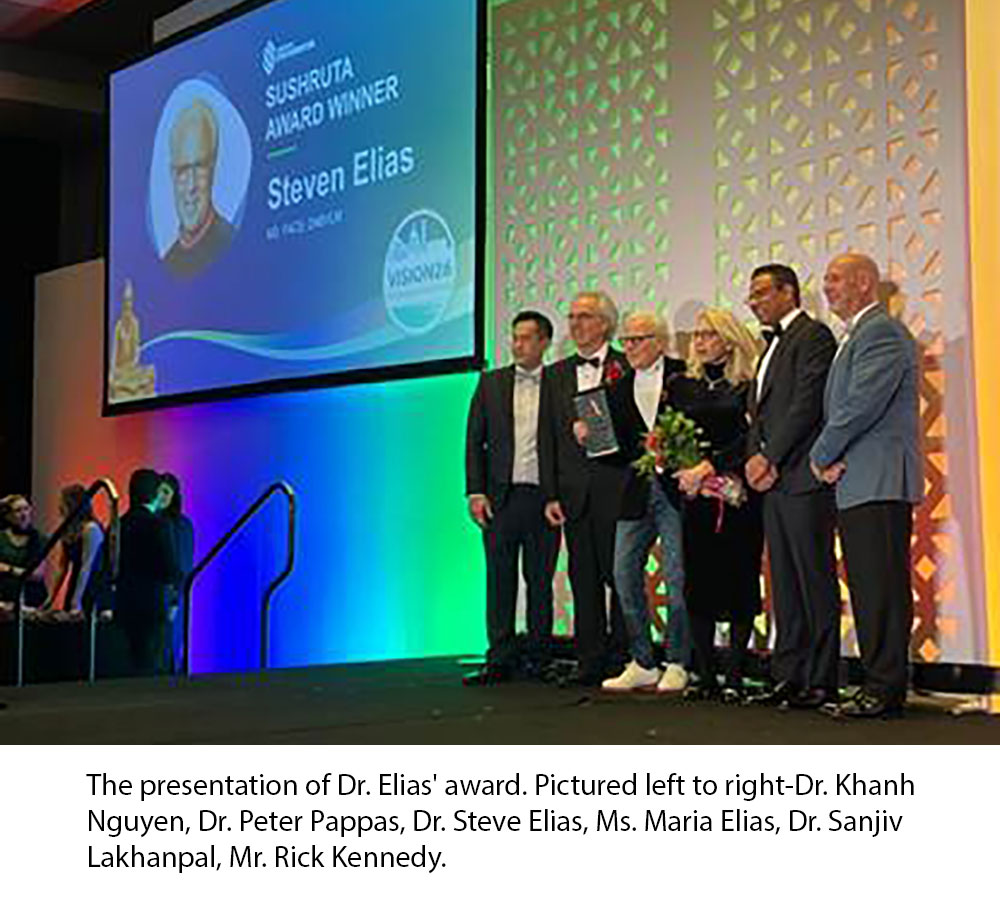
The Lakhanpal Vein Foundation (LVF) established the Sushruta Award to celebrate exceptional contributions to the field of venous disease. Named after the ancient Indian physician Sushruta, this prestigious annual award acknowledges physicians who have advanced patient care, research, and education. Each year, LVF donates $10,000 to the recipient’s cause, amplifying their impact.
At the January 2026 Vision Conference hosted by the Center for Vein Restoration, Dr. Steve Elias was recognized as the 2026 recipient. A renowned leader in venous disease treatment, Dr. Elias spearheaded minimally invasive techniques that improve patients’ lives. He is celebrated for his clinical expertise, mentorship, and advocacy for patient-centered care. Under his leadership, outpatient vein treatments and innovative technologies gained wider recognition.
Prior recipients represent a legacy of excellence. Dr. Seshadri Raju was honored for pioneering venous stenting, while Dr. Anthony Comerota and Dr. Antonios Gasparis were recognized for advances in post-thrombotic therapies and international venous programs. In 2025, Dr. Kathleen D. Gibson, a respected vascular surgeon, received the honor for her contributions.
The Lakhanpal Vein Foundation is dedicated to advancing venous care worldwide. In addition to the Sushruta Annual Award, the foundation supports research initiatives, educational programs, and outreach to ensure equitable access to vein treatments. By recognizing leaders like Dr. Elias, The Lakhanpal Vein Foundation promotes excellence and pushes the boundaries of venous medicine.
Past President Spotlight: Thomas Wakefield, MD
Parker Ball
AVF Communications Intern
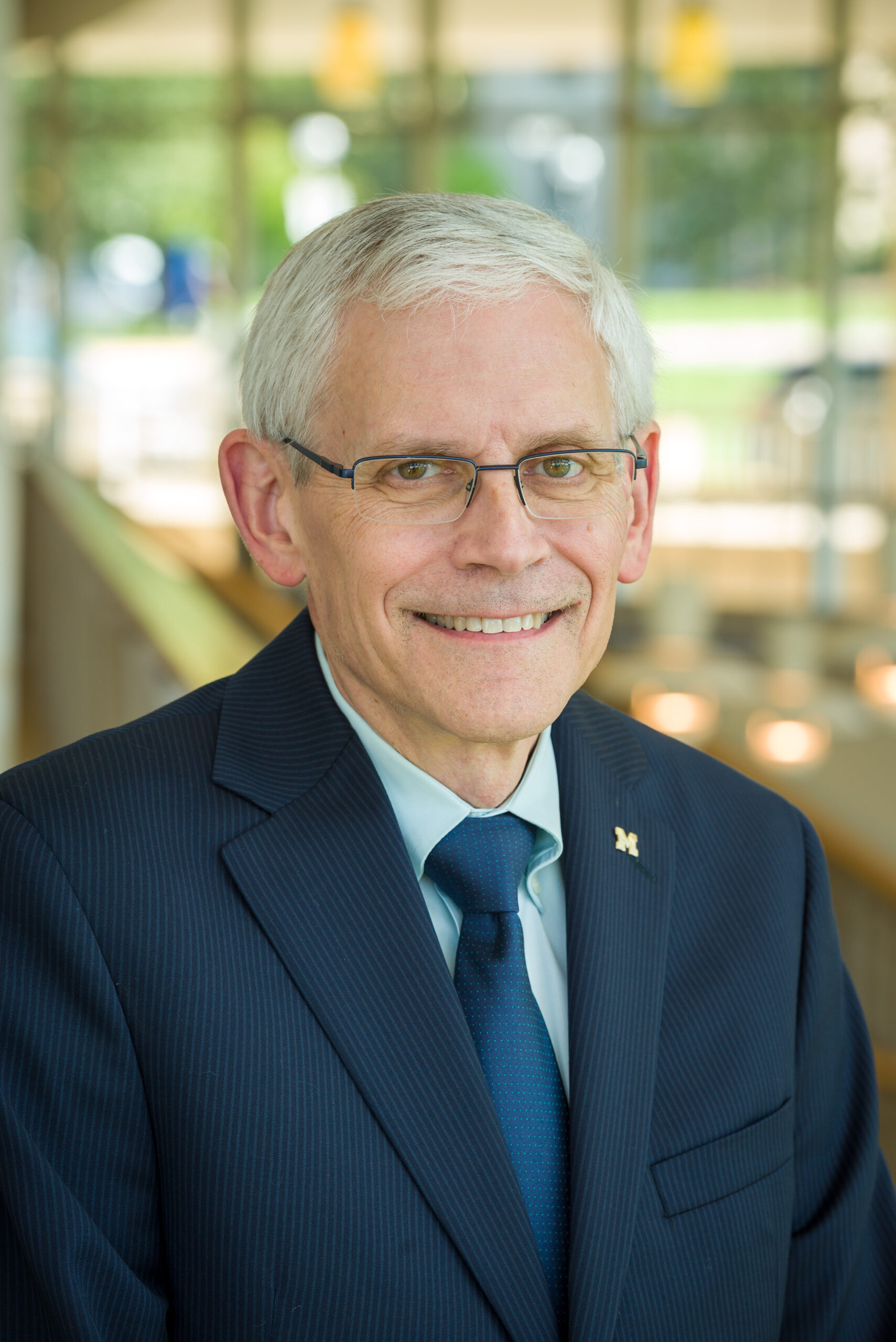
When Dr. Thomas Wakefield first attended an American Venous Forum meeting in 1992, he immediately recognized its potential. “I believe I attended the second or third meeting at the invitation of Dr. Greenfield. At that time, the society was really a society for presenting research papers and manuscripts, and it was a very heavy research society. And then about the mid-2000s, it became a more complete society… it really became an organization that had the full spectrum, not only research, but also advocacy.”
Throughout his career, Dr. Wakefield has been a leader in advancing venous research and patient care. “Something that I would have been involved with for many, many years is the role of inflammation in venous thrombosis… we now know that inflammation and thrombosis are deeply interrelated. And in fact, over the last 20 years, it’s become a very, very hot topic in venous thrombosis research.” He also pointed to clinical progress, including “risk assessment for prophylaxis venous thrombosis” and the rise of “less invasive techniques for venous reflux and venous insufficiency, along with the use of stenting for venous obstructions.” Wakefield’s dedication to the field was influenced by a personal experience. “Between eighth grade and freshman year in high school, I had bilateral saphenous vein stripping for large varicosities, This experience always piqued my interest in venous disease, so that when I became a vascular surgeon, I always wanted to have part of my practice associated with venous disease.”
Mentorship has also been central to his career. “Mentorship is extremely important, and I’ll talk about both mentorship and sponsorship. I always remember that mentorship and sponsorship, and I try to do the same thing with young trainees now that I have the opportunity to be a mentor to and to be a sponsor.” He emphasized the lasting impact mentors can have: “The individual in medicine has such a big impact on trainees and students, and so you have to always keep in mind that what you say, what you do, you don’t know who’s watching, and you don’t know what effect that’s going to have on them in their career.”
Looking back on his AVF journey, Wakefield stressed both excellence and camaraderie. “AVF is a society that has absolutely the strongest science in venous disease. But also it’s really a family atmosphere–when you go back to meetings, it’s like going back to a family reunion.”
Today, in retirement, he continues to stay active in the field while embracing time with family. “There definitely is life after retirement, and it’s really been a great ride.” One of his proudest achievements is the establishment of the Wakefield Family Professorship in Vascular Surgery at the University of Michigan. “It’s because of my family that I had the time to do what I did over all these years. Any success I had wouldn’t have happened without them.”
Compression Socks versus Medical Gradient Compression: What’s the Difference?

Margie Hopkins
U.S. Clinical Marketing Manager,
Essity
There are countless choices in compression socks today—just one search on Amazon can be overwhelming. Everyone seems to be getting into the compression business, but the real question is: Is there science and research behind these products?
The Origins of Gradient Compression
Conrad Jobst, an engineer, pioneered the concept of gradient compression socks in the 1950s. His innovation was based on a simple but powerful principle: applying the highest pressure at the ankle and gradually decreasing it up the leg to support venous return. Since then, the JOBST brand has been improving and perfecting this science in both ready-to-wear and made-to-measure compression products.
What Makes Medical Gradient Compression Different?
Not all compression socks are created equal. Many consumer-grade products claim benefits like improved circulation or reduced fatigue, but these claims often lack clinical validation. Medical gradient compression products, on the other hand, are designed and tested to deliver therapeutic compression for conditions such as venous disease, lymphedema, lipedema, and chronic swelling.
Here’s what sets medical-grade compression apart:
- Precise Pressure Profile: True gradient compression delivers a controlled pressure gradient, ankle decreasing proximally, to optimize venous return and reduce edema.
- Clinical Standards: Manufactured to meet internationally recognized standards (ISO 10993, RAL-GZG, AQUAL) ensuring safety, quality, accuracy, durability, and therapeutic efficacy
- Evidence-based Design: Supported by decades of peer-reviewed research and clinical application, trusted by vascular specialists, wound care clinicians, and other healthcare professionals worldwide.
How JOBST Ensures Quality
At JOBST, we don’t just make compression socks—we engineer therapy. Our products undergo rigorous testing to ensure:
- Compression Accuracy: Verified pressure levels for therapeutic benefit.
- Durability: Materials tested for long-term wear and consistent performance.
- Comfort and Fit: Designed for real-life use without compromising medical efficacy.
Why It Matters
In today’s marketplace, it’s hard to know which products truly deliver medical-grade compression. Choosing a product that meets clinical standards is essential for managing venous disease, lipedema, and lymphatic conditions effectively. JOBST’s commitment to science and quality means you can trust our products to provide the therapy you need.
Healing Veins, Restoring Lives: The HHPF Veins & Vascular Access Team Needs YOU!
Kay Weeden
Director,
Hackett Hemwall Patterson Foundation
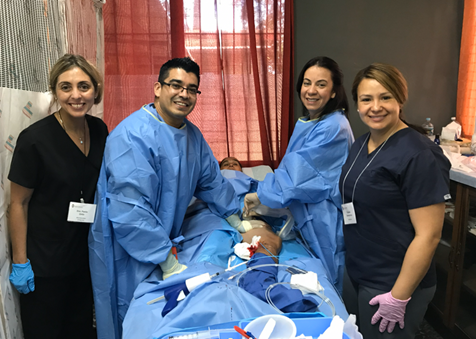
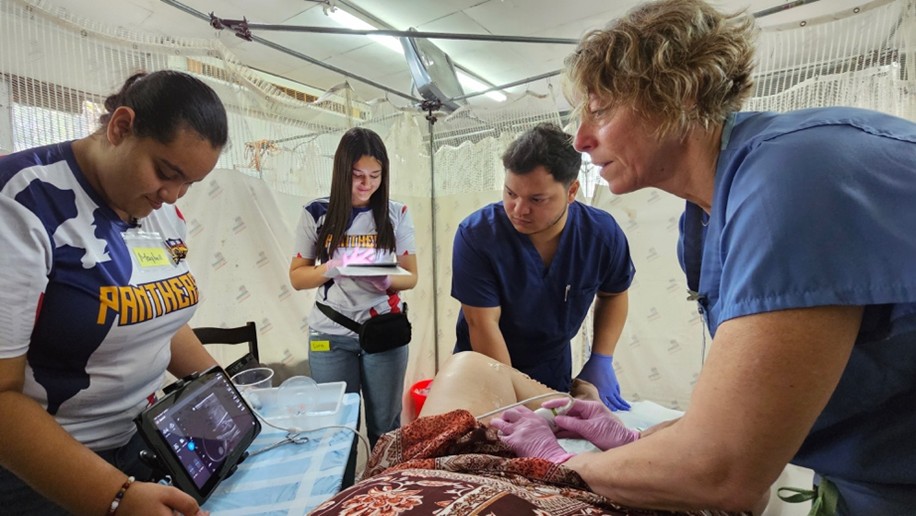
For more than 25 years, the Hackett Hemwall Patterson Foundation (HHPF) has conducted medical missions in Honduras, delivering high-quality care to underserved patients through sustainable clinical and educational partnerships. Central to this work is the Veins Team, a multidisciplinary group of physicians, RVTs, nurse practitioners, physician assistants, and volunteers from the United States and around the world.
Each mission week, the team treats more than 2,000 patients suffering from severe chronic venous insufficiency. Clinical care includes ultrasound-guided foam sclerotherapy (UGFS), wound care, and advanced non-thermal, non-tumescent (NTNT) ablation techniques, including glue and MOCA, with radiofrequency ablation planned for future missions. These medically necessary interventions restore mobility, relieve pain, and dramatically improve quality of life.
The mission is both humanitarian and academic, offering a structured CME-accredited program with hands-on training, expert-led lectures, and case-based discussions. New participants are fully supported, paired with experienced faculty, and welcomed into a collaborative environment designed to be engaging, educational, and rewarding.
As the program has grown, HHPF has expanded to include a vascular and dialysis access surgical branch, developed as a direct extension of the Veins Team. This team performs arteriovenous (AV) fistula creation and tunneled dialysis catheter placement, addressing a critical need for patients with kidney failure who otherwise lack access to life-sustaining dialysis.
Participation is open to AVF members and colleagues, and first-time participants are especially encouraged to apply. The participation fee for new physicians and APP participants is $2,500, with returning physicians and APP participants paying $1,500. All non-physician/APP participants pay $800. New AVF members receive a $100 participation fee discount. Fees include hotel lodging, meals, and in-country transportation; participants are responsible for their own airfare to and from Honduras.
New to Medical Missions? You’re Welcome Here
No prior mission experience is required. HHPF is intentionally structured to support first-time participants with:
- Experienced faculty mentorship
- Team-based care and supervision
- Clear clinical workflows
- A strong culture of teaching, collaboration, and inclusion
Whether you come to serve, to learn, or both, you’ll be supported every step of the way.
“I joined my first HHPF mission unsure of what to expect. Within the first day, I felt fully supported—clinically, academically, and personally. The volume of pathology, the hands-on learning, and the gratitude of the patients were unlike anything I had experienced. I came for one mission and left knowing I’d be back.”—. Zoe Deol, MD
Together, the Veins Team and the Vascular & Dialysis Access Program embody HHPF’s commitment to high-impact, sustainable vascular care—restoring function, preserving life, and strengthening local healthcare systems through partnership, education, and service.
Visit our website to learn more: hhpfoundation.org. Learn about our programs, our service-learning trips, and how to apply to join us on a future trip! Mention AVF in the comments to receive a $200 discount on a trip!