The Scientific Value of Membership in the American Venous Forum
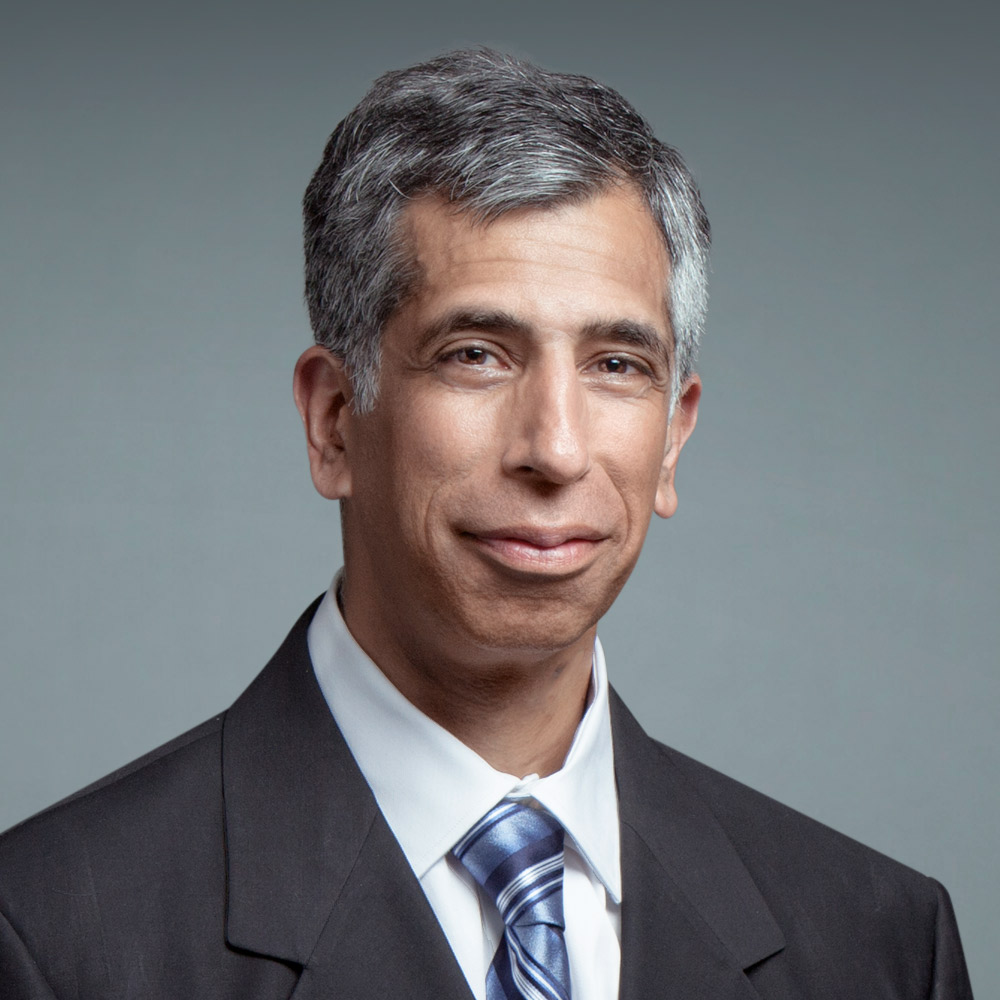
Anil Hingorani, MD
Member, AVF Membership Committee
Becoming a member of the American Venous Forum (AVF) offers substantial scientific, clinical, educational, and professional benefits. The AVF clearly holds scientific rigor as one of its primary reasons for being, and this is one of its greatest assets. Indeed, the theme for AVF 2026 is “Solutions Through Science.” Below is my “top 10” of why membership carries scientific value, especially for clinicians, researchers, and allied health professionals interested in venous and lymphatic disease.
- Access to a scientific and academic community
Membership in AVF connects you with an international community of clinicians, researchers and thought leaders in venous and lymphatic disease. The AVF describes its leadership as “recognized internationally as thought leaders, expert investigators and the top clinicians in venous & lymphatic disease. “
Such a network fosters opportunities for:
- Collaborative research initiatives and multi‐institutional studies
- Peer exchange of novel techniques, data, and outcomes
- Access to cutting-edge thinking in the field of venous/lymphatic pathology
This network is critical in a specialty that continues to evolve rapidly (with constant innovations in imaging, interventional techniques, ablation therapies, etc). By aligning with AVF, a member is positioned at the forefront of those discussions.
- Enhanced educational opportunities and CME
AVF invests heavily in education: live meetings, hands-on workshops, webinars, recorded content, and focused courses. For example, the AVF “Early Career Course” offers sessions in ablation, laser, ultrasonography, endovascular techniques, the business of the venous practice, etc. From a scientific standpoint:
- You gain access to the latest evidence-based practices and emerging research in venous and lymphatic disease.
- CME credits are available through many AVF offerings.
- You benefit from sessions dedicated to early-career investigators, allied health professionals, trainees — facilitating mentoring and skill development. In short, membership expedites your scientific literacy in this specialty, keeps you current, and supports professional growth.
- Research involvement and leadership
One of the strongest scientific values of AVF membership is the opportunity to lead and engage in research. According to the AVF website: “As a member you will enjoy opportunities to … fund, lead, and conduct cutting–edge venous research.” Specific points:
- Membership offers access to committees that shape research direction, guidelines, and consensus statements.
- AVF has grant mechanisms (basic science grants, fellowships) to support investigation in venous/lymphatic disorders
For a researcher or clinician‐investigator, this means better access to research infrastructure, collaborations, publications, and leadership roles—all of which reinforce scientific standing and influence.
- Contribution to guideline development, advocacy, and standards of care
Scientific advancement is not only about data and publications—it is also about translating evidence into practice. AVF members can play a role in building multi‐specialty coalitions, developing guidelines, and advocating for best patient care. Being part of the conversation means:
- Helping define standard-of-care models for venous and lymphatic disease.
- Influencing policy/advocacy efforts that support quality care and research funding.
- Aligning your practice or research with recognized professional standards and ethical frameworks (AVF has a Code of Ethics & Pledge).
From a scientific viewpoint, this means your work not only contributes to knowledge, but also has an effect on how that knowledge is applied in clinical practice.
- Access to publications and dissemination channels
AVF membership provides access to journals, newsletters, publications, educational repositories, and meeting proceedings. For example:
- AVF is a sponsor organization for its official journal, the Journal of Vascular Surgery: Venous & Lymphatic Disorders. Presenters at the AVF annual meeting receive a discount on the author publishing charges for submissions to the journal.
- Members receive educational materials, patient education resources, the journal club, a video library, etc.
Having direct access to such dissemination mechanisms enhances your ability to stay current, to publish, and to be recognized in the field. It also promotes your scientific credibility and visibility.
- Career development and professional credibility
While this is more professional than purely scientific, it has important scientific implications: being a member of a recognized society like AVF signals commitment to the field, gives you credentials of affiliation, and opens doors to speaking engagements, committee service, and leadership roles. The scientific community frequently takes into account professional society membership when assessing credibility, research funding, collaborations, and peer reviews. As AVF states: membership “denotes a dedication” and “mark of professional distinction.”
- Interdisciplinary and global perspective
Venous and lymphatic disease spans multiple specialties: vascular surgery, interventional radiology, cardiology, vascular medicine, allied health, etc. AVF explicitly invites this broad membership. This interdisciplinarity enriches science:
- You gain exposure to perspectives beyond your immediate specialty.
- You may initiate research that crosses disciplines (for example, vascular medicine + radiology + wound care.)
- You engage in an international community (AVF has members globally) which facilitates cross-cultural scientific exchange and broader relevance of research outcomes.
- Cost-Benefit Considerations (Scientific Value vs Cost)
From a scientific value lens, membership dues and time commitment need to be weighed against the benefits:
- AVF dues vary by membership category; eg, Physician membership is USD $650, with significant discounts for some international members.
- However, benefits such as discounted meeting registration, free or reduced cost educational modules, access to membership resources, leadership opportunities may offset the cost. (Special offer for new members!)
- The value multiplies if you actively engage: submitting abstracts, presenting research at the annual meeting, serving on committees, applying for AVF grants. Passive membership yields less scientific return.
Thus, the scientific value is maximized when the member is an active participant.
- Strategic advice for maximizing scientific return on AVF membership
To fully leverage the scientific value, consider:
- Engage early and often: submit an abstract for the annual meeting; volunteer for a committee; participate in webinars/workshops.
- Use the educational resources to inform your research design, clinical practice, and teaching.
- Contribute to and lead research efforts: apply for AVF grants; find collaborators within the society network.
- Publish and disseminate: leverage the AVF‐affiliated journal and meeting proceedings to get your work out.
- Network consciously: use the membership community to find mentors, co‐investigators, interdisciplinary collaborators.
- Bridge to clinical practice: align your research with guideline development, translational projects, or practice improvement initiatives – this enhances scholarly impact.
- Reflect on your specialty niche: because AVF covers venous/lymphatic disease broadly, identify your unique research/clinical interest (eg, stenting of deep veins, lymphedema, post-thrombotic syndrome) and position yourself within that niche in the society.
- Summary
In summary: Membership in the American Venous Forum offers significant scientific value through:
- Connection to an international, interdisciplinary network of thought leaders and investigators.
- High-quality educational and CME resources.
- Research leadership opportunities, access to grants, and publications.
- A platform to influence guidelines, advocacy, and standards of care.
- Professional credibility, visibility, and career support.
- A forum for interdisciplinary, translational, and global science in venous and lymphatic disease.
For anyone whose work focuses on venous or lymphatic disorders—whether in basic science, clinical research, or practice improvement—the AVF membership is more than a membership card: it is a gateway to scientific engagement, collaboration, influence, and growth.
Networking and Early Engagement in the American Venous Forum Create Opportunities and Lasting Value
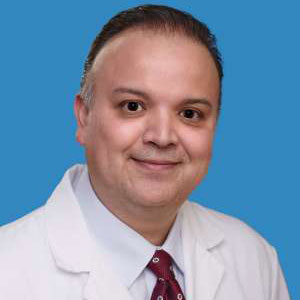
Juan Carlos Jimenez MD, MBA, FACS
Member, AVF Membership Committee
As a mid-career vascular surgeon, I obtained a Master of Business Administration (MBA) degree in 2019. I promptly learned that business school does a better job than medical school of teaching an important skill–networking. Defined as the intentional process of forming strategic, authentic professional relationships, it is recognized as one of the most critical drivers of opportunity, collaboration, and long-term growth. Research has demonstrated that stronger networks can lead to higher salaries and opportunities for promotion.(1) Common sense dictates that people prefer to interact, work, and do business with those they know and trust. For prospective venous specialists and trainees, the right network can open many doors, including residency, fellowships, research involvement, mentorship, and leadership roles. Within this framework, membership in professional societies such as the American Venous Forum (AVF) and participation in its annual meeting offer uniquely high-yield opportunities to build meaningful connections that accelerate both clinical expertise and career trajectory.
The AVF is an international organization whose mission is to advance science, education, and advocacy in venous and lymphatic disease. For trainees interested in venous disease, no environment offers more direct networking opportunities to the pioneers and leaders shaping current and future standards of care. Networking with AVF members, especially at the yearly meeting, provides students and trainees with early access to real-time clinical controversies, emerging device trials, and the evolution of best practices. These interactions often lead to invitations to collaborate on research projects, to participate in multicenter registries, and to publish original papers and textbook chapters. In addition, AVF faculty — many of whom lead fellowship programs and sit on national education committees — serve as invaluable advocates, references, and mentors. Authentic network connections within the AVF can organically lead to decades of mentorship and professional sponsorship.
Young faculty and early-career venous specialists in practice can also benefit from AVF membership and peer networking. For young surgeons navigating the transition from training to independent practice, an AVF network can be professionally enriching and career-defining. Establishing early relationships with fellow young venous specialists builds a cohort of future collaborators who will rise through the specialty together. These peer networks often evolve into future co-investigators, course co-directors, trial participants, and society committee leaders. The AVF deliberately creates structured, high-affinity opportunities for these connections through its Fellows & Young Physicians programs, mentorship pairings, poster sessions, and interactive workshops. Additionally, the AVF has 20 active committees where members can participate in the organization’s governance. Many young AVF members report that the relationships formed during these early years lead directly to faculty appointments, invited speaking roles, and industry partnerships.
Networking within the American Venous Forum is far more than meeting people — it is an intentional act of positioning oneself inside an organization committed to innovation, leadership, and opportunity in venous disease. For trainees, AVF membership provides direct mentorship and career opportunities. For young surgeons, it offers enduring peer alliances and visibility within the international venous community. In a specialty where collaboration and innovation move rapidly, those who engage early with the AVF are often the ones who help lead the future of venous care.
Reference:
- Wolff HG, Moser K. Effects of networking on career success: a longitudinal study. J Appl Psychol. 2009;94(1):196-206.
The Valuable Benefits of AVF Membership
Mona Li, MD
Member, AVF Membership Committee
The AVF has a myriad of benefits in the areas of research, patient education, practice support, advocacy, and in professional education and career development.
There are competitive research grants, AVF-Jobst Clinical Research Grant, AVF-NIH/NHLBI Research Award, and the AVF-BSCI Translational Research Grant to support your project. The AVF Annual Meeting provides an opportunity to present your work to an international audience. A new member benefit this year is a publication discount if you have a research article accepted for publication in the Journal of Vascular Surgery-Venous and Lymphatic Disorders (JVS-VL).
Patient education and practice support are exceptional. The AVF is dedicated to the education of vein patients and publishes an array of educational materials such as disease state and procedure brochures, consent forms, an educational poster for the office, venous classification workbooks, and The Healthy Veins Book; all at a member discount for purchase at the AVF Store online.
The greatest reward of membership is in the realm of professional education, leadership, and career development for physicians and advanced practice providers (APPs). The AVF is a leader in the development of clinical practice guidelines accessible on the AVF website, and of the essential reference publication, The Handbook of Venous and Lymphatic Disorders, now in its 5th Edition; both updated to keep up with the latest in evidence-based research to give your patients not only high-quality care but the most appropriate care. The AVF also has a monthly newsletter, the Vein Specialist; a member chat forum, the AVF Exchange; a Job Bank and VENOUS ONLINE which has more than 175 videos/25+ hours of practice content. In addition, the AVF sponsors online webinars and a monthly journal club. There are travel scholarships that your students, physician trainees, and APPs can apply for to attend the Annual Meeting and the AVF Venous Early Career Course. New at the Annual Meeting is an APP section tailored specifically for their venous education and practice. Finally, all members can advance their career and obtain leadership opportunities by volunteering for one or more committees, participating in writing and advocacy groups, becoming a mentor, and by educating others at the Venous Early Career course, on a webinar, and at the Annual Meeting. The AVF is where you can network with fellow colleagues who are as dedicated to venous and lymphatic disease as you are.
Recruit your colleagues, advanced practice providers, and trainees to join the AVF! The New Member Campaign is on right now so you can save money on AVF membership and the registration fee for AVF 2026 in Denver, Colorado. See you there!


AVF Welcomes APPs, RNs, RVTs with Special Promotion
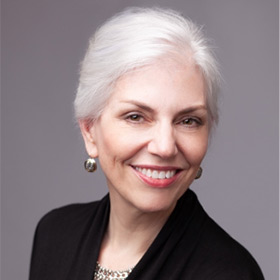
Lorraine Loretz, DPM, MSN, FNP
If you were on the fence about joining AVF or about having your staff join AVF, there’s never been a better time to join. AVF’s New Member drive is underway with savings for new members. A 50% discount off the new membership price is our biggest promotion ever! The new membership extends from the day you join through December 31, 2026 –that’s 12+ months. You also access reduced member pricing on the AVF 2026 meeting registration.
Scan the QR code to join AVF as an Associate Member.
You already know the important role you play in your work environment, whether it is a vascular surgical practice, a vein center, a hospital setting, or primary care. You know what you give to patient evaluation, treatment, and education responsibilities. You might perform cosmetic vein and other procedures, coordinate accreditation management, and more.
What guidance is there for you in your role in venous practice? APPs do not have opportunities for residency or fellowship training in venous disease. Learning is often on the job by shadowing, but without a formal curriculum. AVF helps fill this gap by developing specific materials to assist APPs in transition to vein practice, providing ongoing support, and creating opportunities for networking with physician colleagues. To help meet this need, an entire weekend of continuing education for new and experienced APPs and RNs is planned AVF’s 2026 annual meeting on February 28-March1, 2026. Don’t miss this opportunity!
When you join AVF, you receive access to many benefits, including a reduced rate for the Annual Meeting, digital educational resources, regular webinars on venous topics, Journal Club, and research opportunities. Patient education materials, an insurance policy navigator, and clinical practice guidelines help your daily practice. Journal of Vascular Surgery—Venous and Lymphatic Disorders (JVSVL) is emailed directly to you, including early access to In Press articles. You can participate in the AVF Exchange DocMatter online forum to have your questions answered.
Speaking, writing, and research opportunities are also extended to APPs who wish to become more involved. Want to participate in creation of clinical practice guidelines? Or present a topic or paper at the APP sessions at the annual meeting? The door is open. Come on in! The American Venous Forum’s goal is to have an APP on every committee. Join us now!
Hear what your colleagues have to say :
“I joined the AVF to enhance my skills and knowledge as a nurse practitioner and actively contribute to the APP planning sessions where my expertise and perspective as an advanced practice provider are valued.” ~Suzanna Fitzpatrick, DNP, ACNP-BC, FNP-BC
“As an experienced wound management provider, I have always gravitated toward patients with venous leg ulcers. The complexity of these ulcers, the crucial need to incorporate holistic management, and the longevity with which iI get to know my patients is very fulfilling. The AVF has always been not only welcoming of Advanced Practice providers and nurses, but actively engages and empowers our voices, ensuring we are seen as important to our patient care teams, research initiatives, and venous disease management as a whole. I love the AVF!” ~Karen Bauer, DNP, APRN-FNP
“Early in my vascular career I felt imposter syndrome caring for patients with venous disease and phlebolymphedema. Although colleagues reassured me of my competence, I worried that gaps in my knowledge might limit my patients’ access to treatment options. My attempts to learn independently left me overwhelmed, so I turned to the AVF to connect with true experts in the field. The experience has been transformative—the mentorship and education I’ve received through the AVF have greatly strengthened my confidence in my ability to give venous patients the care they deserve.” ~Sarah Rosenberger, CRNP
Celebrating the Season of Giving: Honoring Our Partnerships and Volunteers
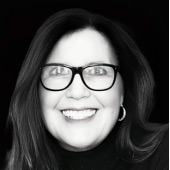
Margie Hopkins
U.S. Clinical Marketing Manager, Essity/JOBST
As we embrace this season of giving and gratitude, we’re proud to highlight the incredible organizations and individuals who help us make a difference year-round. Our JOBST brand’s mission goes beyond manufacturing and delivering products that improve patients’ lives—we partner with leading organizations to fund research, advocate for better care, and provide education that empowers patients and clinicians alike.
We are especially thankful for our dedicated colleagues who volunteer their time and expertise, bringing compassion and knowledge to patients and families affected by venous and lymphatic conditions.
Partnering for Impact: AVF and JOBST: Three Decades of Research Support
Since 1995, the American Venous Forum and JOBST have partnered to advance research in diagnosing and treating chronic venous conditions. Over the past 30 years, Essity’s JOBST brand has provided institutional support for AVF’s mission. Through this support, AVF has been able to fund research initiatives that help ensure clinicians have the resources to deepen understanding of venous disease and improve patient outcomes.
Through AVF’s Days of Service, our teams join efforts to provide education and compression products to underserved communities across the US. These events raise awareness about venous disease and connect attendees with local providers for ongoing care and support.
Boston Lymphatic Symposium: Advancing Research Together
Essity’s JOBST Brand has also supported the Boston Lymphatic Symposium (BLS), a non-profit dedicated to advancing care for lymphatic disorders through education and research. Through institutional grant support, BLS has awarded a competitive research grant to one medical student annually since 2021 for research aimed at improving treatments and outcomes for patients with lymphatic disease.
Brylan’s Feat Foundation and Camp Watchme: Supporting Children with Lymphedema
This inspiring nonprofit supports children with lymphedema by providing financial assistance, raising awareness, and promoting education. Camp Watchme offers kids a traditional summer camp experience—complete with peer connections, disease education, and treatment from certified lymphedema therapists—while parents benefit from emotional support and learning sessions. We have proudly supported this foundation year-round through garment donations and volunteer participation.
National Lymphedema Network (NLN): Empowering Patients and Clinicians
NLN empowers clinicians and patients through education, networking, and resources to elevate care standards for lymphedema treatment. Our collaboration includes educational initiatives like the Start Strong Program for newly trained therapists and contributions to the NLN Garment Fund, ensuring patients in need have access to compression therapy.
LE&RN: Driving Global Awareness and Advocacy
Since 1998, the Lymphatic Education & Research Network (LE&RN) has been a global leader in fighting lymphatic disease through education, research, and advocacy. JOBST has been a proud sponsor for more than a decade, supporting their mission to improve care and awareness worldwide.
Lymphedema Advocacy Group: Championing Policy Change
This grassroots organization champions policy changes to advance lymphedema care. The landmark passage of the Lymphedema Treatment Act marked a new era for patient access to care and supplies. JOBST remains committed to supporting these efforts as we work together to ensure patients receive the resources they need.
Grateful for the Opportunity to Give Back
We deeply value these partnerships and the shared commitment to improving lives. Together—with our partners and passionate team—we’re making a lasting impression on individuals and families affected by venous and lymphatic conditions.
Thank you for being part of this journey of compassion, education, and care.

Leadership Corner: Does anybody actually enjoy this?!
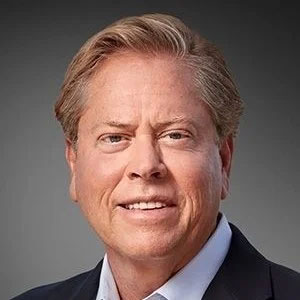
Gary Burnison
CEO, Korn Ferry
A suction tube hung from the corner of my mouth. A tiny mirror pressed against the inside of my cheek. And each time that metal tool scraped, I white-knuckled the arm of the chair.
I sat there, leaning back, focusing on that bright light above … and just knew the drill was coming for me next.
That dentist appointment. It had been on my calendar for weeks, the day creeping closer. There was no avoiding it.
Not expecting the dental hygienist to actually respond to my rhetorical question, I heard her voice over the scraping: “I don’t know . . . Some people probably fear heights more than this.”
“Yep, good one. Heights … Gotta be up there on the fear list. Flying, too,” I murmured through cotton rolls in my cheek.
“I hate public speaking. Guarantee that’s top 10,” she added.
Under the dental bib, I pulled out my phone and brought in ChatGPT. We actually identified a lot, missed a few, and even debated the merits of others.
But I was surprised to see two: Fear of Failure. Fear of Loneliness.
It’s not that I didn’t agree or even that I couldn’t relate—but it made me wonder. And the more I thought about how different these two sentiments appeared to be, the more it became clear how similar they really are.
Failure and loneliness are rooted in the same ground—isolation.
“‘I didn’t realize how lonely this job would be’—that’s what I hear from every first-time CEO,” Angela Castellani, a member of our Board and CEO Services Practice and PhD clinical psychologist told me just recently. “It comes up every month.”
For leadership, as in life, evolutionary psychology offers an explanation. Going back millennia, the fear of failure meant much more than making a mistake. It was also about rejection.
That’s where the fear of loneliness comes in—and far more than the existential angst of being alone. Getting shut out of the circle was tantamount to being ousted from Maslow’s Hierarchy. And that was a threat to human survival.
Failure and loneliness—they’re embedded in our DNA.
“You are not alone. The minute I tell that to leaders—they feel so relieved,” Angela added.
As these four words are acknowledged, our mindset shifts. And that’s where the path to understanding begins. We’re able to dispel our seemingly conflicted, but all-too-connected fears. So, as leaders, what do we do?
Understand the fear. It starts with a question: What are we afraid of? Once we name the fear, we can begin to uncover how it drives our behaviors. Then, instead of merely reacting, we’re acting with intention. And after all, it could be that failure as we know it is only failing to fail.
Reframe the fear. Failure may be in the top 10, but it doesn’t have to isolate us from others. What matters most are not our fears or even the moments of failure—what counts is what we do afterwards.
Give ourselves some grace. No one is infallible—and that includes leaders. Grace moves us forward—elevating not only ourselves, but others. For leaders there is only one road, and that’s the high road.
Amid our fears, insecurities, and vulnerabilities, we all have one thing in common: We want to be part of something bigger than ourselves. And that’s the leader’s job—to ensure a deep sense of belonging reverberates throughout the organization.
Indeed, what are we afraid of?
Reprinted with permission.
New AVF Members: September/October 2025
| Name & Degree | Country |
|---|---|
| Alyssa Fluty, BA, RDMS, RVT | United States |
| Thomas Pither, BMBCh | United Kingdom |
| Uzair Chaudhary, BS | United States |
| Julia Rosenberg, BS | United States |
| Langford Green, BS | United States |
| Stephanie Paz, BS | United States |
| Helene Franke, cand. med. | Germany |
| Nicholas Wells, MA | United States |
| Chien Lin Soh, MBBChir, MA (Cantab), MRCS | United Kingdom |
| Dhruvit Modi, MBBS | United Kingdom |
| Marwah Salih, MBBS, MSc, MRCS | United Kingdom |
| Patryk Musko, MBChB | United Kingdom |
| Kwasi Ofori, MBChB, MPH | United States |
| Romolo De Ãvila, MD | Brazil |
| Amr Abouzaid, MD | Egypt |
| Roman Lunin, MD | Latvia |
| Tanzina Afroze, MD | United States |
| Min (Michael) Choi, MD | United States |
| Sandra Cole, MD | United States |
| Noash Julia-Rios, MD | United States |
| Brenda Lin, MD | United States |
| Andrew Murphy, MD | United States |
| Amir Najafi, MD | United States |
| Samir Narula, MD | United States |
| Eren OZKAYA, MD | United States |
| Anne Sailer, MD | United States |
| Thomas Wright, MD | United States |
| Brigitte Anderson, MD | United States |
| Jennifer Chang, MD | United States |
| Jonathan Krebs, MD | United States |
| Jonathan Misskey, MD MHPE FRCSC | Canada |
| Vina Chhaya, MD, MPH | United States |
| James Froehlich, MD, MPH | United States |
| Gillian Lee, MD, MPH | United States |
| Yushi Suzuki, MD, PhD | Japan |
| Ching-Hua Hsieh, MD, PhD | Taiwan |
| Meng-Lin Lee, MD, PhD | Taiwan |
| Eduardo Rodrigues, Md, PHD(c) | Brazil |
| Makoto Mo, MD,PhD | Japan |
| Donna Bahroloomi, MD/MPH | United States |
| Nour Hijazi, MD/PhD | United States |
| Stella Ng, MPH | United States |
| Kareem Siada, MS | United States |
| Fausto Nava Garza, PGY1 | Mexico |
| Le Tin, PhD | Vietnam |
| Kerry Pullano, Public Health Science, BS | United States |
| Sarah Barbel, NP | United States |
| Schuyler Barraclough, NP | United States |
| Kasia Dodman, NP | United States |
| Stevie Newmark, PA | United States |
